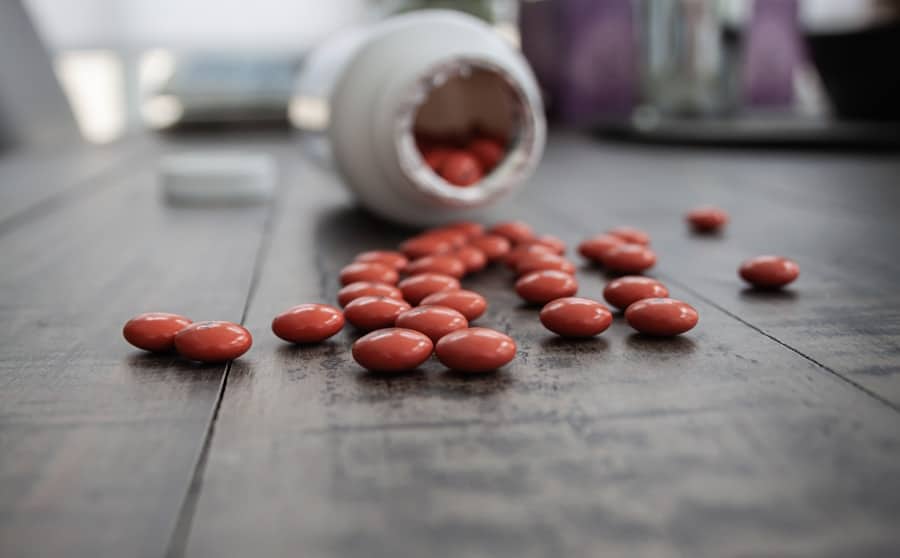
Pravachol, generically known as pravastatin, is a medication that belongs to a class of drugs called statins. Statins are primarily used to lower cholesterol levels in the blood, which can significantly reduce the risk of heart disease and stroke. When you take Pravachol, it works by inhibiting an enzyme in your liver that plays a crucial role in producing cholesterol.
By reducing the amount of cholesterol your body makes, Pravachol helps to lower the levels of low-density lipoprotein (LDL) cholesterol, often referred to as “bad” cholesterol. This action not only helps to improve your cholesterol profile but also stabilizes plaque in your arteries, making them less likely to rupture and cause cardiovascular events. In addition to lowering LDL cholesterol, Pravachol has been shown to have other beneficial effects on your cardiovascular health.
It can help raise levels of high-density lipoprotein (HDL) cholesterol, known as “good” cholesterol, which plays a protective role in heart health. Furthermore, Pravachol may have anti-inflammatory properties that contribute to its overall effectiveness in reducing the risk of heart disease. However, like any medication, it is essential to understand both its benefits and potential side effects, which can include muscle pain, liver enzyme changes, and digestive issues.
Key Takeaways
- Pravachol is a statin drug that works by blocking the production of cholesterol in the liver, helping to lower overall cholesterol levels in the body.
- Making lifestyle changes such as following a healthy diet and engaging in regular exercise can be effective alternatives to taking Pravachol for managing cholesterol levels.
- Natural supplements like red yeast rice, garlic, and plant sterols have been shown to help lower cholesterol levels and can be used as alternatives to Pravachol.
- Other statin drugs such as Lipitor and Crestor are alternatives to Pravachol and work in similar ways to lower cholesterol levels in the body.
- Non-statin prescription medications like ezetimibe and PCSK9 inhibitors offer alternative options for lowering cholesterol levels and can be used in combination with or as alternatives to Pravachol.
Lifestyle Changes: Diet and Exercise as Alternatives to Pravachol
While medications like Pravachol can be effective in managing cholesterol levels, lifestyle changes can also play a significant role in improving your overall heart health. One of the most impactful changes you can make is to adopt a heart-healthy diet. This means focusing on whole foods that are low in saturated fats and high in fiber.
Incorporating more fruits, vegetables, whole grains, and lean proteins into your meals can help lower your cholesterol levels naturally. Foods rich in omega-3 fatty acids, such as salmon and walnuts, are particularly beneficial for heart health and can help reduce inflammation. In addition to dietary changes, regular physical activity is crucial for maintaining healthy cholesterol levels.
Engaging in at least 150 minutes of moderate-intensity aerobic exercise each week can help raise your HDL cholesterol while lowering LDL cholesterol. Activities such as brisk walking, cycling, swimming, or even dancing can be enjoyable ways to incorporate exercise into your routine. Not only does exercise help manage cholesterol levels, but it also contributes to weight management and overall well-being.
By making these lifestyle changes, you may find that you can effectively manage your cholesterol without relying solely on medications like Pravachol.
Natural Supplements: Using Herbal Remedies to Lower Cholesterol

If you’re looking for alternative ways to manage your cholesterol levels, natural supplements may offer some promising options. Many people turn to herbal remedies as a way to support their health without the side effects associated with prescription medications. One popular supplement is red yeast rice, which contains naturally occurring statins that can help lower LDL cholesterol levels.
However, it’s essential to approach this option with caution and consult with a healthcare professional before starting any new supplement regimen. Another natural remedy worth considering is garlic. Studies have shown that garlic may have a modest effect on lowering cholesterol levels and improving overall heart health. You can incorporate garlic into your diet by adding it to various dishes or taking it in supplement form.
Additionally, plant sterols and stanols are compounds found in certain foods that can help block the absorption of cholesterol in your intestines. These can be found in fortified foods or taken as supplements. While these natural remedies may not replace the need for medications like Pravachol for everyone, they can be valuable tools in your overall strategy for managing cholesterol.
Other Statin Drugs: Exploring Alternatives to Pravachol
If you find that Pravachol is not the right fit for you due to side effects or other concerns, there are several other statin medications available that may be more suitable. Each statin works similarly by inhibiting cholesterol production in the liver but may differ in potency and side effects. For instance, atorvastatin (Lipitor) and rosuvastatin (Crestor) are two commonly prescribed alternatives that may offer similar benefits with different tolerability profiles.
When considering alternative statins, it’s essential to discuss your specific health needs with your doctor. They can help you weigh the pros and cons of each medication based on your medical history and current health status. Some individuals may respond better to one statin over another or may experience fewer side effects with a different medication.
By exploring these alternatives, you can find a statin that effectively manages your cholesterol while minimizing any adverse effects.
Non-Statin Prescription Medications: Options for Lowering Cholesterol Safely
In addition to statins, there are non-statin prescription medications available that can help lower cholesterol levels effectively. One such option is ezetimibe (Zetia), which works by reducing the absorption of cholesterol from the intestines. This medication can be particularly useful for individuals who cannot tolerate statins or those who require additional cholesterol-lowering effects alongside their statin therapy.
Another class of medications known as PCSK9 inhibitors has gained attention for their ability to significantly lower LDL cholesterol levels. These injectable medications, such as alirocumab (Praluent) and evolocumab (Repatha), are typically prescribed for individuals with familial hypercholesterolemia or those who have not achieved their cholesterol goals with statins alone. While these options may come with a higher cost compared to traditional statins, they offer an effective alternative for managing high cholesterol safely.
Combination Therapies: Using Multiple Approaches to Lower Cholesterol
For many individuals struggling with high cholesterol, a combination of therapies may provide the most effective results. This approach often involves using both lifestyle changes and medications together to achieve optimal cholesterol management. For instance, you might start with dietary modifications and regular exercise while also taking a statin or non-statin medication as prescribed by your doctor.
Combining therapies allows you to address multiple aspects of cholesterol management simultaneously. For example, while a statin works to lower LDL cholesterol production in the liver, dietary changes can help improve overall heart health and support weight management. Additionally, incorporating natural supplements or non-statin medications can further enhance your efforts in achieving healthy cholesterol levels.
By working closely with your healthcare provider, you can develop a personalized plan that combines various strategies tailored to your unique needs.
Managing Underlying Conditions: Addressing Health Issues that Contribute to High Cholesterol
High cholesterol is often linked to various underlying health conditions that can exacerbate the problem. Conditions such as diabetes, hypothyroidism, and metabolic syndrome can all contribute to elevated cholesterol levels and increase your risk of cardiovascular disease. Therefore, addressing these underlying issues is crucial for effective cholesterol management.
For instance, if you have diabetes, managing your blood sugar levels through diet, exercise, and medication can positively impact your cholesterol levels as well. Similarly, if you have hypothyroidism, treating this condition with appropriate thyroid hormone replacement therapy may help improve your lipid profile. By taking a comprehensive approach that addresses not only high cholesterol but also any related health issues, you can significantly enhance your overall well-being and reduce your risk of heart disease.
Consult with Your Doctor: Finding the Best Alternative to Pravachol for Your Individual Needs
Ultimately, finding the best alternative to Pravachol or any other medication requires open communication with your healthcare provider. Your doctor will consider various factors such as your medical history, current health status, lifestyle choices, and any potential side effects when recommending treatment options. It’s essential to discuss any concerns you may have about Pravachol or other medications openly.
Your doctor may suggest alternative medications or lifestyle changes based on your individual needs and preferences. They can also provide guidance on how to monitor your progress effectively and make adjustments as necessary. Remember that managing high cholesterol is often a long-term commitment that involves ongoing evaluation and adaptation of your treatment plan.
By working collaboratively with your healthcare team, you can find the most suitable approach for achieving and maintaining healthy cholesterol levels tailored specifically for you.
If you are looking for alternatives to Pravachol to lower your cholesterol levels, you may want to consider incorporating more Vitamin A into your diet. According to a recent article on healthnutritionsupplements.net, Vitamin A has been shown to help regulate cholesterol levels and promote heart health. It is important to differentiate between fact and fiction when it comes to supplement claims, as discussed in another informative article on the same website here. Additionally, athletes and active individuals may benefit from certain supplements to support their performance and recovery, as outlined in a helpful guide on healthnutritionsupplements.net.
FAQs
What are some alternatives to Pravachol for lowering cholesterol?
Some alternatives to Pravachol for lowering cholesterol include other statin medications such as atorvastatin (Lipitor), simvastatin (Zocor), and rosuvastatin (Crestor), as well as non-statin medications like ezetimibe (Zetia) and PCSK9 inhibitors.
Are there natural alternatives to Pravachol for lowering cholesterol?
Yes, there are natural alternatives to Pravachol for lowering cholesterol. These include dietary changes such as increasing consumption of fruits, vegetables, whole grains, and omega-3 fatty acids, as well as regular exercise and weight management.
What are the potential side effects of Pravachol and its alternatives?
The potential side effects of Pravachol and its alternatives may include muscle pain, liver damage, digestive issues, and an increased risk of diabetes. It is important to discuss the potential side effects with a healthcare provider before starting any medication.
How effective are the alternatives to Pravachol in lowering cholesterol?
The alternatives to Pravachol, including other statin medications and non-statin medications, have been shown to be effective in lowering cholesterol levels. However, the effectiveness may vary from person to person, and it is important to work with a healthcare provider to find the most suitable option.
Can lifestyle changes alone be effective in lowering cholesterol without medication?
Yes, lifestyle changes such as a healthy diet, regular exercise, and weight management can be effective in lowering cholesterol levels without the need for medication. However, for some individuals, medication may be necessary to achieve target cholesterol levels.