
Pectin is a naturally occurring substance found in the cell walls of fruits and vegetables, acting as a structural polysaccharide. It plays a crucial role in the ripening process of fruits, helping to maintain their firmness and integrity. When fruits are cooked, pectin can be extracted and used as a gelling agent, which is why it is commonly found in jams, jellies, and other preserves.
This versatile compound is not only valued for its culinary applications but also for its numerous health benefits. In its natural form, pectin is a soluble fiber that can dissolve in water, forming a gel-like consistency. This property makes it particularly useful in food processing, but it also contributes to its health-promoting qualities.
As you delve deeper into the world of pectin, you will discover that it offers a range of advantages for your digestive system, weight management, heart health, and even blood sugar regulation. Understanding what pectin is and how it functions can empower you to make informed dietary choices that enhance your overall well-being.
Key Takeaways
- Pectin is a type of soluble fiber found in fruits and vegetables, known for its ability to thicken jams and jellies.
- Pectin can help improve digestive health by promoting regular bowel movements and preventing constipation.
- Consuming pectin may aid in weight loss by promoting feelings of fullness and reducing overall calorie intake.
- Pectin has been linked to improved heart health by helping to lower cholesterol levels and reduce the risk of heart disease.
- Pectin can help regulate blood sugar levels by slowing down the absorption of sugar in the body.
Pectin and Digestive Health
One of the most significant benefits of pectin lies in its positive impact on digestive health. As a soluble fiber, pectin aids in the regulation of bowel movements by absorbing water and forming a gel-like substance in the intestines. This process helps to soften stool, making it easier to pass and reducing the risk of constipation.
If you have ever struggled with irregular bowel movements, incorporating pectin-rich foods into your diet may provide the relief you seek. Moreover, pectin acts as a prebiotic, serving as food for beneficial gut bacteria. By promoting the growth of these good bacteria, pectin contributes to a balanced gut microbiome, which is essential for optimal digestion and overall health.
A healthy gut microbiome can enhance nutrient absorption, boost your immune system, and even influence your mood. By including pectin in your diet, you are not only supporting your digestive system but also fostering a thriving environment for your gut flora.
Pectin and Weight Loss
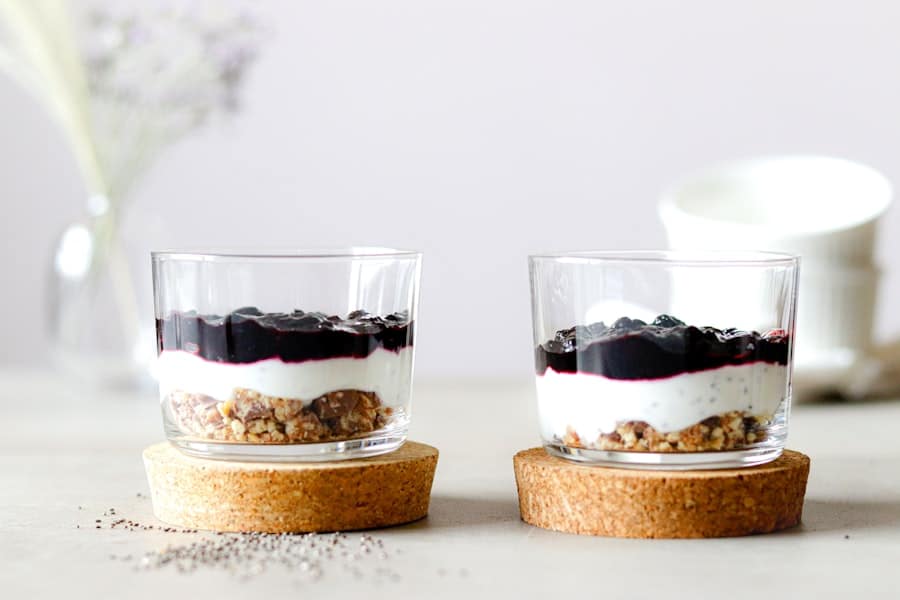
If you are on a weight loss journey or simply looking to maintain a healthy weight, pectin can be a valuable ally. Its high fiber content promotes feelings of fullness and satiety, which can help curb overeating and reduce calorie intake. When you consume foods rich in pectin, such as apples or citrus fruits, you may find that you feel satisfied for longer periods, making it easier to resist unhealthy snacks between meals.
Additionally, pectin has been shown to slow down the digestion and absorption of carbohydrates. This gradual release of energy can help stabilize blood sugar levels and prevent the spikes and crashes that often lead to cravings for sugary foods. By incorporating pectin into your meals, you can create a more balanced approach to eating that supports your weight loss goals while still enjoying delicious foods.
Pectin and Heart Health
Your heart health is paramount, and pectin can play a significant role in maintaining it. Research suggests that pectin may help lower cholesterol levels by binding to bile acids in the intestines. When pectin binds to these acids, it prevents their reabsorption into the bloodstream, leading the body to use cholesterol to produce more bile acids instead.
This process can result in lower levels of LDL (low-density lipoprotein) cholesterol, often referred to as “bad” cholesterol. Furthermore, the fiber content in pectin can contribute to improved cardiovascular health by promoting healthy blood pressure levels. A diet rich in soluble fibers like pectin has been associated with reduced risks of heart disease and stroke.
By making pectin a regular part of your diet, you are taking proactive steps toward protecting your heart and enhancing your overall cardiovascular health.
Pectin and Blood Sugar Regulation
For those concerned about blood sugar levels or managing diabetes, pectin can be an essential component of your dietary strategy. The soluble fiber in pectin slows down the absorption of sugars in the bloodstream, leading to more stable blood sugar levels after meals. This gradual release of glucose can help prevent spikes that may lead to energy crashes or cravings for sugary foods.
Incorporating pectin-rich foods into your diet can also improve insulin sensitivity over time. By promoting better blood sugar control, you may find it easier to manage your weight and reduce the risk of developing type 2 diabetes. Whether you are looking to maintain stable energy levels throughout the day or support your overall metabolic health, pectin can be a beneficial addition to your meals.
How to Incorporate Pectin into Your Diet

Integrating pectin into your daily diet is easier than you might think. Many fruits are naturally high in pectin, making them an excellent choice for snacking or adding to meals. Apples, citrus fruits like oranges and grapefruits, pears, and berries are all great sources of this beneficial fiber.
You can enjoy these fruits fresh, add them to smoothies, or incorporate them into salads for added texture and flavor. If you’re feeling adventurous in the kitchen, consider making homemade jams or jellies using fruit high in pectin. Not only will you have a delicious spread for your toast or yogurt, but you’ll also be able to control the amount of sugar added during the cooking process.
Additionally, look for products that contain added pectin or choose whole foods that naturally contain this fiber when shopping for snacks or meal ingredients.
Potential Side Effects and Precautions
While pectin is generally considered safe for most people when consumed in moderate amounts through food sources, it’s essential to be aware of potential side effects. Some individuals may experience gastrointestinal discomfort if they consume excessive amounts of fiber too quickly. Symptoms such as bloating, gas, or diarrhea can occur if your body isn’t accustomed to high-fiber foods.
To avoid these issues, gradually increase your intake of pectin-rich foods while ensuring you drink plenty of water. If you have specific health conditions or are taking medications that affect digestion or blood sugar levels, it’s wise to consult with a healthcare professional before significantly increasing your pectin intake. They can provide personalized advice based on your unique health needs and help you determine the best approach to incorporating this beneficial fiber into your diet.
The Benefits of Pectin for Overall Health
In conclusion, pectin is more than just a gelling agent; it is a powerhouse of health benefits that can enhance various aspects of your well-being. From supporting digestive health and aiding weight loss to promoting heart health and regulating blood sugar levels, this soluble fiber offers a multitude of advantages that can contribute to a healthier lifestyle. By incorporating pectin-rich foods into your diet and being mindful of your overall fiber intake, you can harness the power of this natural substance to improve your health.
As you explore the world of pectin, remember that balance is key. While it offers numerous benefits, it’s essential to maintain a varied diet rich in other nutrients as well. By doing so, you will not only enjoy the advantages of pectin but also support your body with a wide range of vitamins and minerals necessary for optimal health.
Embrace the potential of pectin as part of your journey toward better health and well-being!
Pectin is a versatile health supplement that offers a wide range of benefits, including digestive health, weight loss, heart health, and blood sugar regulation. For more information on the importance of nutrition in maintaining overall health, check out this article. Additionally, vitamin C plays a crucial role in supporting the immune system and overall well-being, as discussed in this article. It is also important to address safety concerns and misconceptions surrounding health supplements, which is explored in this article.
FAQs
What is pectin?
Pectin is a type of soluble fiber found in the cell walls of plants, particularly in fruits such as apples, citrus fruits, and berries. It is commonly used as a gelling agent in jams and jellies.
How does pectin benefit digestive health?
Pectin acts as a prebiotic, promoting the growth of beneficial bacteria in the gut. It also helps to regulate bowel movements and can alleviate symptoms of diarrhea and constipation.
Can pectin aid in weight loss?
Pectin can contribute to weight loss by promoting feelings of fullness and reducing appetite. It also helps to regulate blood sugar levels, which can prevent overeating and cravings.
What role does pectin play in heart health?
Pectin has been shown to lower levels of LDL cholesterol, also known as “bad” cholesterol, which can reduce the risk of heart disease. It may also help to lower blood pressure.
How does pectin help regulate blood sugar?
Pectin forms a gel-like substance in the digestive tract, which slows the absorption of sugar and can help to stabilize blood sugar levels. This can be beneficial for individuals with diabetes or those at risk of developing the condition.