Osteoporosis is a condition that weakens bones, making them fragile and more susceptible to fractures. As you age, your body undergoes various changes, and bone density tends to decrease, particularly after menopause for women. This decline in bone mass can be attributed to several factors, including hormonal changes, nutritional deficiencies, and lifestyle choices.
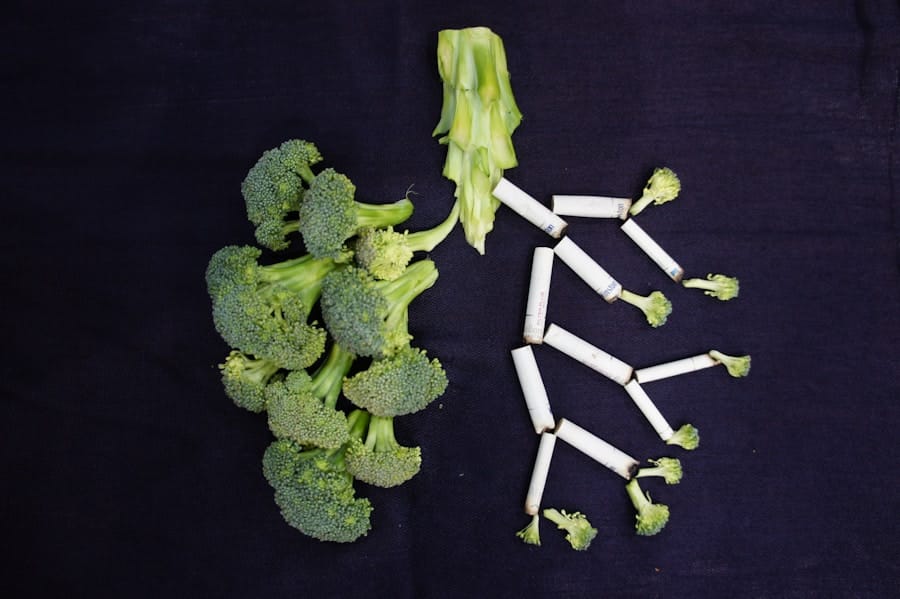
For instance, a decrease in estrogen levels during menopause significantly accelerates bone loss, which is why women are at a higher risk of developing osteoporosis compared to men. Additionally, genetics plays a crucial role; if you have a family history of osteoporosis, your likelihood of developing the condition increases. Other risk factors include a sedentary lifestyle, excessive alcohol consumption, and smoking.
These habits can contribute to bone density loss and overall health deterioration. Certain medical conditions, such as rheumatoid arthritis or hyperthyroidism, can also increase your risk. Furthermore, medications like corticosteroids may lead to bone loss if taken over an extended period.
Understanding these causes and risks is essential for you to take proactive steps in maintaining your bone health and preventing osteoporosis.
Key Takeaways
- Osteoporosis is a condition characterized by weak and brittle bones, often caused by aging, hormonal changes, and lack of calcium and vitamin D.
- Fosamax is a medication commonly prescribed to treat osteoporosis, but it may come with side effects such as stomach pain and difficulty swallowing.
- Natural alternatives to Fosamax include lifestyle changes, dietary adjustments, and herbal supplements like red clover and black cohosh.
- A diet rich in calcium, vitamin D, and other nutrients is essential for maintaining strong bones and preventing osteoporosis.
- Regular exercise, including weight-bearing and muscle-strengthening activities, can help improve bone density and reduce the risk of fractures.
Fosamax: Benefits and Side Effects
Fosamax, or alendronate, is a medication commonly prescribed to treat osteoporosis. It belongs to a class of drugs known as bisphosphonates, which work by inhibiting the activity of cells that break down bone tissue. By doing so, Fosamax helps to increase bone density and reduce the risk of fractures.
If you are diagnosed with osteoporosis, your healthcare provider may recommend this medication as part of your treatment plan. Many patients experience significant improvements in their bone density after using Fosamax, which can lead to a decreased risk of fractures and an overall enhancement in quality of life. However, like any medication, Fosamax comes with potential side effects that you should be aware of.
Some individuals may experience gastrointestinal issues such as nausea, abdominal pain, or heartburn. In rare cases, more severe side effects can occur, including osteonecrosis of the jaw or atypical femur fractures. It is crucial to discuss these risks with your healthcare provider before starting treatment.
They can help you weigh the benefits against the potential downsides and determine if Fosamax is the right choice for your specific situation.
Natural Alternatives to Fosamax for Bone Health

If you are hesitant about taking prescription medications like Fosamax, there are natural alternatives that may help support your bone health. One approach is to focus on lifestyle changes that promote stronger bones. For instance, incorporating weight-bearing exercises into your routine can stimulate bone formation and improve overall strength.
Activities such as walking, jogging, or dancing can be beneficial in this regard. Additionally, engaging in resistance training can help build muscle mass, which in turn supports bone density. Another natural alternative involves the use of herbal remedies and supplements known for their bone-strengthening properties.
For example, herbs like red clover and nettle have been traditionally used to support bone health. These plants contain phytoestrogens that may help mitigate bone loss associated with hormonal changes. Furthermore, ensuring adequate intake of vitamins and minerals essential for bone health—such as calcium and vitamin D—can also be achieved through natural sources like leafy greens, nuts, seeds, and fatty fish.
Diet and Nutrition for Stronger Bones
Your diet plays a pivotal role in maintaining strong bones and preventing osteoporosis. Consuming a balanced diet rich in essential nutrients is vital for supporting bone health throughout your life. Calcium is perhaps the most well-known nutrient associated with bone strength; it is crucial for building and maintaining bone mass.
Dairy products like milk, yogurt, and cheese are excellent sources of calcium. However, if you are lactose intolerant or prefer plant-based options, consider incorporating fortified plant milks or leafy greens such as kale and bok choy into your meals. In addition to calcium, vitamin D is essential for calcium absorption in the body.
You can obtain vitamin D through sun exposure or by consuming foods such as fatty fish, egg yolks, and fortified cereals. A well-rounded diet should also include other nutrients like magnesium and vitamin K, which play supportive roles in bone health. Nuts, seeds, whole grains, and green vegetables are great sources of these nutrients.
By focusing on a nutrient-dense diet, you can significantly enhance your bone health and reduce the risk of osteoporosis.
Exercise and Physical Activity for Osteoporosis Prevention
Regular physical activity is one of the most effective ways to prevent osteoporosis and maintain strong bones as you age. Engaging in weight-bearing exercises helps stimulate bone formation by putting stress on your bones, which encourages them to become denser and stronger. Activities such as walking, running, hiking, or dancing can be particularly beneficial for your skeletal system.
If you prefer a more structured approach, consider joining a fitness class that focuses on strength training or resistance exercises. In addition to weight-bearing activities, incorporating balance and flexibility exercises into your routine can help reduce the risk of falls—a significant concern for individuals with osteoporosis. Practices like yoga or tai chi not only improve balance but also enhance overall body awareness and coordination.
By committing to a regular exercise regimen that includes both strength training and balance exercises, you can take proactive steps toward preventing osteoporosis and promoting long-term bone health.
Supplements and Herbs for Bone Strength
While a balanced diet is crucial for maintaining strong bones, sometimes it may be necessary to supplement your nutrition with additional vitamins and minerals specifically targeted at bone health. Calcium supplements are widely available and can be beneficial if you struggle to meet your daily calcium needs through food alone. However, it’s essential to consult with a healthcare professional before starting any supplementation regimen to ensure you are taking the appropriate dosage.
In addition to calcium supplements, consider incorporating herbs known for their positive effects on bone health into your routine. For instance, horsetail is an herb rich in silica—a mineral that supports collagen formation in bones. Similarly, vitamin K2 has gained attention for its role in directing calcium to the bones rather than soft tissues where it could cause harm.
You might find vitamin K2 supplements or foods rich in this nutrient—such as fermented foods—helpful in supporting your overall bone strength.
Lifestyle Changes for Osteoporosis Management
Managing osteoporosis effectively often requires making significant lifestyle changes that promote better bone health. One of the most impactful changes you can make is quitting smoking if you currently smoke; tobacco use has been linked to decreased bone density and increased fracture risk. Additionally, moderating alcohol consumption is essential; excessive drinking can interfere with calcium absorption and negatively affect bone health.
Another important lifestyle change involves ensuring that you maintain a healthy weight. Being underweight can increase the risk of osteoporosis due to lower bone mass, while being overweight may put additional stress on your bones and joints. Striving for a balanced approach that includes regular physical activity and a nutritious diet will help you achieve optimal weight management while supporting your overall health.
Consultation with Healthcare Professionals for Osteoporosis Treatment
Finally, it’s crucial to consult with healthcare professionals when it comes to managing osteoporosis effectively. Your primary care physician can provide valuable insights into your individual risk factors and recommend appropriate screening tests such as bone density scans. These assessments will help determine the state of your bone health and guide treatment decisions.
If you are considering medication options like Fosamax or exploring natural alternatives for osteoporosis management, discussing these choices with a healthcare provider is essential. They can help tailor a treatment plan that aligns with your specific needs while considering any underlying health conditions or medications you may be taking. By working closely with healthcare professionals, you can take informed steps toward managing osteoporosis effectively and maintaining strong bones throughout your life.
If you are interested in learning more about supplements for joint and bone health, check out this informative article