
Phosphatidylserine is a phospholipid that plays a crucial role in cellular function, particularly within the brain. It is a component of the cell membrane, where it helps maintain the integrity and fluidity of cells. This compound is naturally produced in the body, but its levels can decline with age or due to certain health conditions.
As a result, many people turn to dietary sources or supplements to ensure they are getting enough of this essential nutrient. Phosphatidylserine is primarily found in high concentrations in the brain, where it contributes to various cognitive processes. In addition to its presence in the brain, phosphatidylserine can be found in smaller amounts in other tissues throughout the body.
It is derived from another phospholipid called phosphatidylcholine and is synthesized from amino acids such as serine. While your body can produce phosphatidylserine, dietary intake can enhance its levels, especially during periods of increased mental or physical stress. Understanding what phosphatidylserine is and how it functions can help you appreciate its significance in maintaining overall health.
Key Takeaways
- Phosphatidylserine is a type of fat compound found in the brain and plays a key role in cognitive function and cell signaling.
- The benefits of phosphatidylserine for health include improved cognitive function, reduced stress, enhanced exercise performance, and potential support for brain health.
- You can incorporate phosphatidylserine into your diet by consuming foods such as organ meats, mackerel, and soy lecithin, or by taking supplements.
- Phosphatidylserine plays a crucial role in brain health by supporting neurotransmitter function, enhancing memory, and potentially reducing the risk of age-related cognitive decline.
- Phosphatidylserine may help manage stress by regulating cortisol levels and supporting adrenal function, potentially improving overall stress response.
- Phosphatidylserine has been shown to potentially improve exercise performance by reducing muscle soreness and supporting recovery.
- Potential side effects and risks of phosphatidylserine include digestive upset and insomnia, and it’s important to choose a supplement from a reputable source with the right dosage for your needs.
The Benefits of Phosphatidylserine for Health
Phosphatidylserine offers a myriad of health benefits that extend beyond cognitive function. One of the most notable advantages is its potential to enhance memory and learning capabilities. Research has shown that phosphatidylserine supplementation may improve cognitive performance, particularly in older adults experiencing age-related cognitive decline.
By supporting neurotransmitter function and promoting communication between brain cells, this phospholipid can help you maintain sharper mental acuity as you age. Moreover, phosphatidylserine has been linked to improved mood and emotional well-being. Studies suggest that it may help reduce symptoms of anxiety and depression by modulating cortisol levels, the hormone associated with stress.
By balancing cortisol production, phosphatidylserine can contribute to a more stable emotional state, allowing you to navigate daily challenges with greater ease. This dual benefit of enhancing cognitive function while also supporting emotional health makes phosphatidylserine a valuable addition to your wellness routine.
How to Incorporate Phosphatidylserine into Your Diet
Incorporating phosphatidylserine into your diet can be achieved through both food sources and supplements. Foods rich in this nutrient include soybeans, white beans, egg yolks, and certain fish like mackerel and salmon. By including these foods in your meals, you can naturally boost your phosphatidylserine intake.
The Role of Phosphatidylserine in Brain Health
| Metrics | Data |
|---|---|
| Improvement in Memory | Shown to enhance memory and cognitive function |
| Stress Reduction | Helps to reduce cortisol levels and manage stress |
| Neuroprotective Effects | Supports the health and function of brain cells |
| Attention and Focus | May improve attention and focus in individuals |
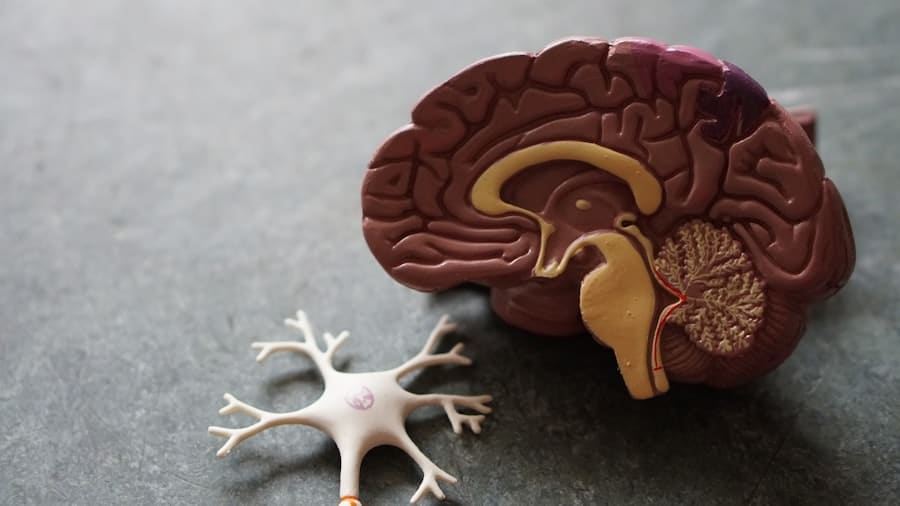
Phosphatidylserine plays a pivotal role in maintaining optimal brain health. As a key component of cell membranes, it helps facilitate communication between neurons, which is essential for cognitive processes such as memory formation and retrieval. When you engage in activities that require intense focus or learning, your brain relies on phosphatidylserine to support these functions effectively.
This is particularly important as you age, as studies have indicated that phosphatidylserine levels tend to decline over time, potentially contributing to cognitive decline. Furthermore, research has shown that phosphatidylserine supplementation may help mitigate age-related cognitive decline and improve overall brain function. In clinical studies involving older adults with mild cognitive impairment, participants who took phosphatidylserine experienced improvements in memory and cognitive performance compared to those who did not supplement.
This evidence underscores the importance of maintaining adequate levels of phosphatidylserine for preserving cognitive health throughout your life.
Phosphatidylserine and Stress Management
Managing stress effectively is crucial for maintaining both mental and physical well-being, and phosphatidylserine may play a significant role in this process. Elevated cortisol levels due to chronic stress can have detrimental effects on your health, including impaired cognitive function and increased anxiety. Phosphatidylserine has been shown to help regulate cortisol production, thereby promoting a more balanced response to stressors.
By incorporating this nutrient into your routine, you may find it easier to cope with daily challenges. In addition to its cortisol-regulating properties, phosphatidylserine may also enhance your resilience to stress by supporting overall brain function. When your brain is functioning optimally, you are better equipped to handle stressors without becoming overwhelmed.
This dual action—regulating cortisol levels while enhancing cognitive performance—makes phosphatidylserine a valuable ally in your quest for effective stress management.
Phosphatidylserine and Exercise Performance

For those who engage in regular physical activity, phosphatidylserine may offer benefits that extend beyond cognitive health. Research suggests that this phospholipid can enhance exercise performance by reducing exercise-induced stress and improving recovery times. When you push your body during workouts, it produces stress hormones like cortisol; however, phosphatidylserine supplementation has been shown to mitigate this response, allowing you to train harder and recover more efficiently.
Additionally, some studies indicate that phosphatidylserine may improve endurance and reduce muscle soreness after intense exercise. By supporting cellular function and reducing inflammation, this nutrient can help you bounce back more quickly from workouts, enabling you to maintain a consistent exercise routine. Whether you’re an athlete or simply enjoy staying active, incorporating phosphatidylserine into your regimen could enhance your overall performance and recovery.
Potential Side Effects and Risks of Phosphatidylserine
While phosphatidylserine is generally considered safe for most individuals when taken at recommended dosages, it’s essential to be aware of potential side effects and risks associated with its use. Some people may experience mild gastrointestinal issues such as upset stomach or diarrhea when taking supplements. Additionally, if you are allergic to soy or other sources from which phosphatidylserine is derived, you should exercise caution and consult with a healthcare professional before starting supplementation.
Moreover, if you are pregnant, nursing, or taking medications—especially those affecting blood clotting or mood—it’s crucial to discuss the use of phosphatidylserine with your healthcare provider. They can help determine whether this supplement is appropriate for you based on your individual health circumstances. Being informed about potential side effects ensures that you can make safe choices regarding your health and wellness.
Choosing the Right Phosphatidylserine Supplement
When it comes to selecting a phosphatidylserine supplement, quality matters significantly. Look for products that clearly state their source of phosphatidylserine—whether derived from soy or sunflower lecithin—and ensure they are manufactured by reputable companies that adhere to good manufacturing practices (GMP). Reading customer reviews and checking for third-party testing can also provide insight into the product’s efficacy and safety.
Additionally, consider the dosage recommendations provided on the supplement label. Most studies suggest a daily intake ranging from 100 mg to 300 mg for optimal benefits; however, individual needs may vary based on factors such as age and activity level. Consulting with a healthcare professional can help you determine the right dosage for your specific situation.
By making informed choices about the supplements you take, you can effectively support your health and well-being with phosphatidylserine.
If you are interested in learning more about essential fatty acids like Omega-3 and Omega-6, check out this informative article here. Understanding the benefits of these fatty acids can complement the use of Phosphatidylserine health supplements in promoting overall well-being. By incorporating a balanced intake of essential fatty acids and other key nutrients, you can optimize your health and support cognitive function.
FAQs
What is Phosphatidylserine?
Phosphatidylserine is a type of fat compound called a phospholipid, which is found in every cell in the human body. It plays a key role in cell structure and function, particularly in the brain.
What are the potential health benefits of Phosphatidylserine supplements?
Phosphatidylserine supplements are commonly used to improve cognitive function, including memory, focus, and attention. They may also have potential benefits for reducing stress and improving athletic performance.
Are there any potential side effects of Phosphatidylserine supplements?
Phosphatidylserine supplements are generally considered safe for most people when taken at recommended doses. However, some individuals may experience mild side effects such as stomach upset and insomnia.
How should Phosphatidylserine supplements be taken?
The typical recommended dose of Phosphatidylserine supplements is 100-300mg per day, taken with meals. It is important to follow the dosing instructions on the product label or as directed by a healthcare professional.
Who can benefit from taking Phosphatidylserine supplements?
Phosphatidylserine supplements may be beneficial for individuals looking to support cognitive function, manage stress, and improve athletic performance. It may also be of interest to older adults looking to support brain health.