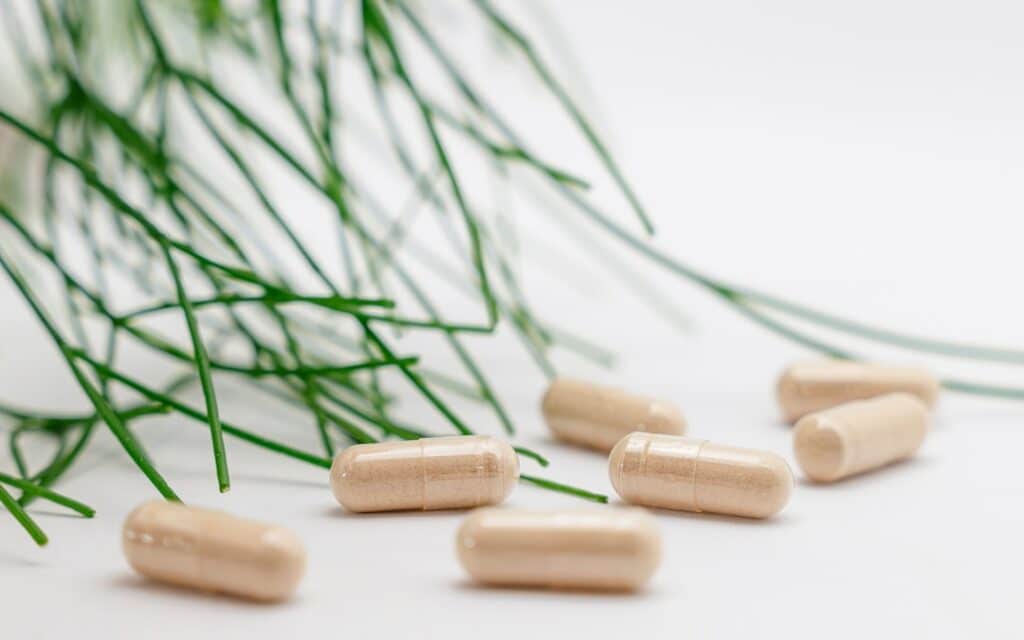
Glutathione is a powerful antioxidant that plays a crucial role in maintaining your overall health. Composed of three amino acids—cysteine, glutamine, and glycine—this tripeptide is found in every cell of your body. Its primary function is to protect your cells from damage caused by free radicals, which are unstable molecules that can lead to oxidative stress.
This stress can contribute to various health issues, including chronic diseases and accelerated aging. Understanding glutathione is essential because it serves as a cornerstone for your body’s defense mechanisms, helping to neutralize harmful substances and maintain cellular integrity. The importance of glutathione extends beyond its antioxidant properties.
It is also involved in numerous biochemical processes, including DNA synthesis, protein synthesis, and the regulation of immune responses. By supporting these vital functions, glutathione helps ensure that your body operates efficiently. When your glutathione levels are optimal, you may experience improved energy levels, enhanced immune function, and better overall health.
Conversely, low levels of glutathione can lead to a range of health problems, making it essential to understand how to maintain and boost this critical compound in your body.
Key Takeaways
- Glutathione is a powerful antioxidant that plays a crucial role in detoxification and immune function.
- Glutathione protects cells from oxidative stress and aging, helping to maintain overall health and vitality.
- Low glutathione levels have been linked to chronic health conditions, making it important to maintain optimal levels.
- Natural ways to boost glutathione levels include consuming sulfur-rich foods and certain supplements.
- Glutathione supplementation can provide numerous benefits, but proper nutrition and lifestyle factors also play a key role in its production and maintenance.
The Role of Glutathione in Detoxification and Immune Function
One of the most significant roles of glutathione is its involvement in detoxification processes. Your liver relies heavily on glutathione to neutralize and eliminate toxins from your body. It binds to harmful substances, making them more water-soluble and easier for your body to excrete.
This detoxification process is vital for maintaining your health, as it helps remove heavy metals, pollutants, and other harmful compounds that can accumulate over time. When glutathione levels are sufficient, your body can efficiently manage these toxins, reducing the risk of damage to your organs and tissues. In addition to detoxification, glutathione plays a pivotal role in supporting your immune system.
It helps regulate the activity of immune cells, ensuring that they function optimally in defending against pathogens. When your body encounters an infection or illness, glutathione levels can become depleted as your immune system works harder to combat the threat. Maintaining adequate levels of this antioxidant is crucial for a robust immune response.
By supporting both detoxification and immune function, glutathione acts as a guardian of your health, helping you fend off illnesses and maintain overall well-being.
How Glutathione Protects Cells from Oxidative Stress and Aging
Oxidative stress occurs when there is an imbalance between free radicals and antioxidants in your body. This imbalance can lead to cellular damage, contributing to the aging process and the development of various diseases. Glutathione is one of the most potent antioxidants available, effectively neutralizing free radicals and preventing oxidative damage to your cells.
By doing so, it helps preserve cellular function and integrity, which is essential for maintaining youthful vitality. As you age, your body’s natural production of glutathione tends to decline. This decrease can accelerate the aging process and increase susceptibility to age-related diseases such as Alzheimer’s, cardiovascular disease, and certain cancers.
By understanding how glutathione protects your cells from oxidative stress, you can take proactive steps to support its production and maintain your health as you age. Incorporating lifestyle changes and dietary choices that promote glutathione levels can help you combat the effects of aging and enhance your overall quality of life.
The Link Between Glutathione and Chronic Health Conditions
Research has shown a strong connection between low glutathione levels and various chronic health conditions. Conditions such as diabetes, heart disease, and autoimmune disorders have been linked to oxidative stress and inflammation—two areas where glutathione plays a critical role. When your body lacks sufficient glutathione, it becomes more vulnerable to these conditions due to its diminished ability to combat oxidative damage and regulate inflammatory responses.
For instance, in individuals with diabetes, low levels of glutathione have been associated with increased oxidative stress, which can exacerbate insulin resistance and lead to further complications. Similarly, in heart disease patients, reduced glutathione levels may contribute to endothelial dysfunction and increased arterial stiffness. By recognizing the link between glutathione and chronic health conditions, you can better understand the importance of maintaining optimal levels of this antioxidant as a preventive measure against disease.
Natural Ways to Boost Glutathione Levels in the Body
Boosting your glutathione levels naturally can be achieved through various lifestyle changes and dietary choices. One effective way is by incorporating foods rich in sulfur-containing amino acids into your diet. Foods such as garlic, onions, cruciferous vegetables (like broccoli and Brussels sprouts), and legumes are excellent sources that can help enhance your body’s production of glutathione.
Additionally, consuming foods high in vitamin C (such as citrus fruits) and vitamin E (found in nuts and seeds) can further support glutathione synthesis. Another natural method for increasing glutathione levels is through regular physical activity. Exercise has been shown to stimulate the production of this vital antioxidant while also reducing oxidative stress in the body.
Engaging in moderate-intensity aerobic activities or strength training can be beneficial for maintaining healthy glutathione levels. Furthermore, ensuring adequate sleep and managing stress through mindfulness practices or relaxation techniques can also contribute positively to your body’s ability to produce glutathione.
The Benefits of Glutathione Supplementation

Enhancing Recovery from Exercise-Induced Oxidative Stress
One significant benefit of glutathione supplementation is its potential to improve recovery from exercise-induced oxidative stress. Athletes often experience increased oxidative damage due to intense training sessions; therefore, supplementing with glutathione may help reduce muscle soreness and enhance recovery times.
Managing Chronic Health Conditions
Additionally, individuals with chronic health conditions may find that supplementation aids in managing their symptoms by improving their antioxidant status and supporting overall health.
Overall Benefits of Glutathione Supplementation
By incorporating glutathione into their regimen, individuals can experience improved overall health and wellness, thanks to the enhanced antioxidant defenses provided by glutathione supplementation.
The Importance of Proper Nutrition for Glutathione Production
Proper nutrition plays a vital role in supporting your body’s ability to produce glutathione effectively. A balanced diet rich in whole foods provides the necessary nutrients required for optimal synthesis of this antioxidant. Consuming a variety of fruits and vegetables ensures that you receive essential vitamins and minerals that contribute to glutathione production.
In particular, foods high in selenium—such as Brazil nuts, fish, and eggs—are crucial for the activity of enzymes involved in glutathione synthesis. Additionally, incorporating foods rich in zinc (like pumpkin seeds) can further support this process. By prioritizing a nutrient-dense diet that includes these key components, you can help ensure that your body has the resources it needs to maintain healthy levels of glutathione.
Lifestyle Factors that Can Deplete Glutathione Levels
Several lifestyle factors can contribute to the depletion of glutathione levels in your body. Chronic stress is one significant factor that can lead to reduced production of this vital antioxidant. When you experience prolonged periods of stress, your body may divert resources away from producing glutathione to address immediate survival needs, resulting in lower levels over time.
Additionally, poor dietary choices—such as excessive consumption of processed foods high in sugar and unhealthy fats—can negatively impact your body’s ability to produce glutathione. Alcohol consumption is another factor that can deplete this antioxidant; excessive drinking places additional strain on your liver’s detoxification processes, leading to lower glutathione levels. By being mindful of these lifestyle factors and making conscious choices to mitigate their effects, you can help preserve your body’s glutathione reserves.
How Stress and Environmental Toxins Affect Glutathione Levels
Stress and environmental toxins are two significant contributors to decreased glutathione levels in your body. When you encounter stressors—whether physical or emotional—your body responds by producing stress hormones like cortisol. While this response is necessary for short-term survival, chronic exposure to stress can lead to long-term depletion of antioxidants like glutathione.
Environmental toxins such as heavy metals, pesticides, and air pollutants also pose a threat to your body’s glutathione levels. These substances generate free radicals that increase oxidative stress within your cells. As a result, your body may struggle to keep up with the demand for antioxidants like glutathione to neutralize these harmful compounds.
By recognizing the impact of stressors and environmental toxins on your health, you can take proactive steps to minimize their effects on your body’s antioxidant defenses.
The Role of Glutathione in Athletic Performance and Recovery
For athletes and fitness enthusiasts alike, glutathione plays a crucial role in enhancing performance and recovery. During intense physical activity, oxidative stress increases significantly due to heightened metabolic demands on your muscles. This stress can lead to muscle fatigue and delayed recovery if not adequately managed.
Supplementing with or boosting natural levels of glutathione may help mitigate these effects by reducing oxidative damage during exercise. Improved recovery times allow you to train harder and more frequently without succumbing to fatigue or injury. Additionally, maintaining optimal glutathione levels supports overall energy production within cells, which is essential for peak athletic performance.
Consulting with a Healthcare Professional for Glutathione Optimization
If you’re considering ways to optimize your glutathione levels—whether through dietary changes or supplementation—consulting with a healthcare professional is advisable. They can provide personalized recommendations based on your individual health needs and goals while ensuring that any supplements you consider are safe and effective for you. A healthcare professional can also help identify any underlying health conditions that may be affecting your body’s ability to produce or maintain adequate levels of glutathione.
By working together with a knowledgeable expert, you can develop a comprehensive plan that supports not only your glutathione levels but also your overall health and well-being. In conclusion, understanding the multifaceted roles of glutathione in detoxification, immune function, cellular protection from oxidative stress, and its connection to chronic health conditions is essential for maintaining optimal health. By adopting natural strategies for boosting this vital antioxidant through nutrition and lifestyle changes—and considering supplementation when appropriate—you can enhance your well-being while mitigating the effects of aging and environmental stressors on your body.
If you are interested in maximizing your health potential with glutathione, you may also want to consider incorporating Vitamin C into your daily routine. According to a related article on healthnutritionsupplements.net, Vitamin C is essential for boosting the immune system and promoting overall health. Additionally, taking the best multivitamin for men, as discussed in another article on the same site here, can help ensure you are getting all the necessary nutrients to support your well-being. And don’t forget to check out the top 5 supplements everyone should take, as outlined in this informative article here. By incorporating these supplements into your daily routine, you can work towards achieving optimal health and wellness.
FAQs
What is glutathione?
Glutathione is a powerful antioxidant that is naturally produced in the body. It plays a crucial role in protecting cells from oxidative stress and maintaining overall health.
How does glutathione benefit health?
Glutathione offers a wide range of health benefits, including boosting the immune system, detoxifying the body, supporting liver function, and reducing inflammation. It also helps in maintaining healthy skin and promoting anti-aging effects.
What are the sources of glutathione?
Glutathione can be obtained from certain foods such as fruits, vegetables, and meats. Additionally, it can be taken in supplement form, administered through injections, or applied topically in the form of creams.
Can glutathione levels in the body be increased?
Yes, glutathione levels in the body can be increased through various methods such as consuming foods rich in glutathione precursors (such as sulfur-containing foods), taking oral supplements, receiving intravenous injections, and using topical creams.
Are there any risks or side effects associated with glutathione supplementation?
While glutathione is generally considered safe for most people, some individuals may experience side effects such as abdominal cramps, bloating, or allergic reactions. It is important to consult with a healthcare professional before starting any new supplementation regimen.