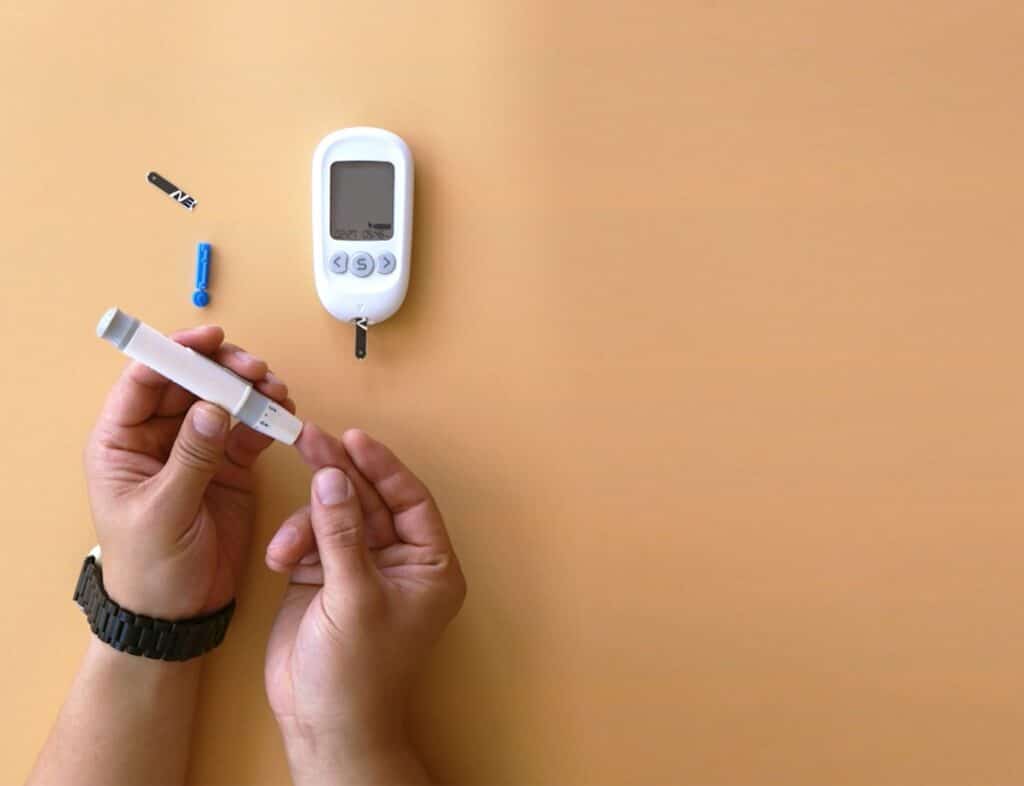
Blood sugar levels, also known as glucose levels, are a critical aspect of your overall health. They indicate the amount of glucose present in your bloodstream at any given time. Glucose is a primary source of energy for your body, derived from the foods you consume, particularly carbohydrates.
When you eat, your body breaks down these carbohydrates into glucose, which then enters your bloodstream. The pancreas plays a vital role in regulating these levels by releasing insulin, a hormone that helps cells absorb glucose for energy or store it for later use. Understanding how blood sugar levels fluctuate throughout the day can empower you to make informed dietary and lifestyle choices.
You may notice that your blood sugar levels vary based on several factors, including the type of food you eat, your physical activity, and even your stress levels. For instance, consuming a meal high in refined sugars can lead to a rapid spike in blood sugar, followed by a crash that leaves you feeling fatigued and hungry again shortly after. Conversely, balanced meals that include fiber, protein, and healthy fats can help maintain stable blood sugar levels.
By monitoring these fluctuations, you can gain insights into how your body responds to different foods and activities, allowing you to take proactive steps toward better health.
Key Takeaways
- Blood sugar levels fluctuate throughout the day and can be affected by diet, exercise, and stress.
- Managing blood sugar is crucial for overall health and can help prevent long-term complications such as diabetes and heart disease.
- Common health supplements for blood sugar management include chromium, magnesium, and alpha-lipoic acid.
- Health supplements can help regulate blood sugar by improving insulin sensitivity and reducing inflammation.
- It is important to consult with a healthcare professional to determine the appropriate dosage and timing of health supplements for blood sugar management.
Importance of Managing Blood Sugar
The Risks of Uncontrolled Blood Sugar
When blood sugar levels remain consistently high, it can lead to insulin resistance, a condition where your cells become less responsive to insulin. This can eventually result in type 2 diabetes, a serious health condition that affects millions of people worldwide.
The Benefits of Stable Blood Sugar Levels
By keeping your blood sugar levels within a healthy range, you can reduce the risk of developing diabetes and its associated complications, such as heart disease, kidney damage, and nerve issues. Moreover, stable blood sugar levels contribute to improved energy levels and mood stability. When your blood sugar is well-regulated, you are less likely to experience the energy crashes and irritability that often accompany spikes and drops in glucose levels.
Enhancing Your Quality of Life
This stability can enhance your focus and productivity throughout the day. Additionally, managing blood sugar can help with weight control; when your body efficiently uses glucose for energy, it is less likely to store excess fat. Therefore, prioritizing blood sugar management is not just about preventing disease; it’s also about enhancing your quality of life.
Common Health Supplements for Blood Sugar Management

In the quest for effective blood sugar management, many individuals turn to health supplements that have shown promise in stabilizing glucose levels. One of the most popular supplements is chromium, a trace mineral that plays a role in carbohydrate metabolism and insulin sensitivity. Research suggests that chromium supplementation may help improve glycemic control in people with type 2 diabetes by enhancing insulin action.
If you’re considering adding chromium to your regimen, it’s essential to consult with a healthcare professional to determine the appropriate dosage. Another supplement worth exploring is alpha-lipoic acid (ALA), an antioxidant that has been studied for its potential benefits in managing blood sugar levels. ALA may help improve insulin sensitivity and reduce oxidative stress associated with diabetes.
Additionally, cinnamon extract has gained attention for its ability to lower fasting blood sugar levels and improve insulin sensitivity. Incorporating these supplements into your daily routine could provide an extra layer of support for maintaining healthy blood sugar levels.
How Health Supplements Can Help Regulate Blood Sugar
| Supplement | Effect on Blood Sugar |
|---|---|
| Alpha-Lipoic Acid | Improves insulin sensitivity |
| Cinnamon | Lowers fasting blood sugar levels |
| Chromium | Helps insulin work better |
| Magnesium | Regulates insulin and glucose levels |
| Bitter Melon | Lowers blood sugar levels |
Health supplements can play a significant role in regulating blood sugar by addressing various aspects of glucose metabolism. For instance, some supplements may enhance insulin sensitivity, allowing your cells to utilize glucose more effectively. This can lead to lower blood sugar levels after meals and improved overall glycemic control.
By incorporating these supplements into your lifestyle, you may find it easier to maintain stable energy levels throughout the day. Moreover, certain supplements can help reduce inflammation and oxidative stress in the body, both of which are linked to insulin resistance and poor blood sugar control. Antioxidants like ALA and vitamins C and E can combat oxidative damage caused by free radicals, potentially improving your body’s response to insulin.
Additionally, some supplements may aid in weight management by promoting fat loss or reducing appetite, further supporting healthy blood sugar levels. By understanding how these supplements work, you can make informed choices that align with your health goals.
Dosage and Timing of Health Supplements for Blood Sugar Management
When it comes to health supplements for blood sugar management, dosage and timing are crucial factors that can influence their effectiveness. Each supplement has its recommended dosage based on clinical studies and individual needs. For example, chromium is often taken in doses ranging from 200 to 1,000 micrograms per day, while alpha-lipoic acid is typically recommended at doses between 300 to 600 milligrams daily.
It’s essential to follow the guidance of a healthcare professional when determining the right dosage for you. Timing can also impact how well these supplements work in regulating blood sugar levels. For instance, taking certain supplements before meals may enhance their effectiveness in controlling post-meal blood sugar spikes.
On the other hand, some supplements may be better absorbed when taken with food. Understanding the optimal timing for each supplement can help you maximize their benefits and support your overall blood sugar management strategy.
Potential Side Effects and Interactions of Health Supplements

Possible Side Effects of Supplements
For example, chromium supplementation can cause gastrointestinal issues in some individuals, such as nausea or diarrhea. Similarly, alpha-lipoic acid may lead to skin rashes or allergic reactions in rare cases.
Interactions with Prescription Medications
It’s crucial to monitor how your body responds when introducing new supplements into your routine. Additionally, certain supplements may interact with prescription medications used to manage diabetes or other health conditions. For instance, taking cinnamon extract alongside diabetes medications could potentially lead to hypoglycemia (low blood sugar).
Consulting Your Healthcare Provider
Therefore, it’s vital to discuss any new supplements with your healthcare provider before starting them. They can help you navigate potential interactions and ensure that your supplement regimen complements your overall health plan.
Lifestyle Changes to Support Blood Sugar Management
In addition to incorporating health supplements into your routine, making lifestyle changes can significantly enhance your ability to manage blood sugar levels effectively. One of the most impactful changes you can make is adopting a balanced diet rich in whole foods. Focus on consuming plenty of fruits, vegetables, whole grains, lean proteins, and healthy fats while minimizing processed foods high in refined sugars and unhealthy fats.
This dietary approach not only supports stable blood sugar levels but also promotes overall well-being. Regular physical activity is another essential component of effective blood sugar management. Engaging in aerobic exercises like walking, cycling, or swimming can improve insulin sensitivity and help regulate glucose levels.
Aim for at least 150 minutes of moderate-intensity exercise each week. Additionally, incorporating strength training exercises can further enhance muscle mass and improve glucose metabolism. By combining a healthy diet with regular exercise, you create a powerful synergy that supports optimal blood sugar control.
Consultation with Healthcare Professionals for Blood Sugar Management
As you embark on your journey toward better blood sugar management, consulting with healthcare professionals is paramount. Whether you’re considering dietary changes or introducing new supplements into your routine, seeking guidance from a registered dietitian or healthcare provider can provide valuable insights tailored to your individual needs. They can help you develop a comprehensive plan that considers your medical history, lifestyle factors, and specific health goals.
Regular check-ins with healthcare professionals also allow for ongoing monitoring of your blood sugar levels and overall health status. They can help you track progress and make necessary adjustments to your management plan as needed. Remember that managing blood sugar is not a one-size-fits-all approach; personalized guidance is key to achieving long-term success in maintaining healthy glucose levels and preventing potential complications down the road.
In conclusion, understanding blood sugar levels and their importance is essential for maintaining overall health. By incorporating health supplements thoughtfully into your routine while making lifestyle changes and consulting with healthcare professionals, you can take proactive steps toward effective blood sugar management. This holistic approach not only supports stable glucose levels but also enhances your quality of life as you navigate your health journey.
If you are interested in maintaining your overall health and well-being, you may also want to consider taking vitamins every day. According to a recent article on healthnutritionsupplements.net, vitamins play a crucial role in supporting various bodily functions and can help fill in any nutritional gaps in your diet. In addition to vitamins, ensuring you are eating healthy for all-day energy is also important. Another informative article on the same website discusses the benefits of vitamin A and how it can contribute to your overall health. So, if you are looking to improve your health and manage your blood sugar levels, incorporating health supplements and vitamins into your daily routine may be beneficial.
FAQs
What is a health supplement for blood sugar?
A health supplement for blood sugar is a product designed to support healthy blood sugar levels. It typically contains ingredients such as vitamins, minerals, and herbs that are believed to have a positive impact on blood sugar regulation.
How does a health supplement for blood sugar work?
Health supplements for blood sugar may work by providing nutrients that support the body’s natural mechanisms for regulating blood sugar levels. For example, some ingredients may help improve insulin sensitivity or reduce the absorption of glucose from the digestive system.
Who can benefit from taking a health supplement for blood sugar?
Individuals who are looking to support healthy blood sugar levels may benefit from taking a health supplement for blood sugar. This may include people with prediabetes, type 2 diabetes, or those at risk of developing these conditions.
Are there any potential side effects of taking a health supplement for blood sugar?
While health supplements for blood sugar are generally considered safe, some individuals may experience side effects such as digestive discomfort or allergic reactions to certain ingredients. It’s important to consult with a healthcare professional before starting any new supplement regimen.
Can a health supplement for blood sugar replace medication for diabetes?
Health supplements for blood sugar are not intended to replace medication for diabetes. Individuals with diabetes should always follow their healthcare provider’s recommendations for medication and blood sugar management. Supplements can be used as a complementary approach, but should not be a substitute for prescribed medication.