
Lisinopril is a medication that belongs to a class of drugs known as ACE inhibitors, which stands for angiotensin-converting enzyme inhibitors. It is primarily prescribed to treat high blood pressure, also known as hypertension, and to help manage heart failure. By inhibiting the action of the ACE enzyme, lisinopril helps relax blood vessels, making it easier for your heart to pump blood and reducing the overall workload on your cardiovascular system.
This can lead to lower blood pressure readings and a decreased risk of complications such as heart attack or stroke. In addition to its role in managing hypertension, lisinopril is often used in patients who have experienced a heart attack. It can help improve survival rates by preventing further damage to the heart muscle.
While this medication can be highly effective, it is essential to understand that it is not a cure for high blood pressure but rather a tool to help you manage it. You may find that your healthcare provider recommends lifestyle changes alongside lisinopril to achieve optimal results in controlling your blood pressure.
Key Takeaways
- Lisinopril is a medication used to treat high blood pressure and heart failure by relaxing blood vessels and improving blood flow.
- Natural methods for lowering blood pressure include regular exercise, maintaining a healthy weight, and reducing sodium intake.
- A diet rich in fruits, vegetables, whole grains, and low-fat dairy products can help manage blood pressure.
- Engaging in regular physical activity, such as brisk walking or swimming, can help control blood pressure.
- Stress management techniques like deep breathing, meditation, and yoga can help lower blood pressure.
Natural Methods for Lowering Blood Pressure
Healthy Eating Habits
One of the most effective ways to lower blood pressure naturally is to make lifestyle changes that promote overall health and well-being. Reducing sodium intake can have a significant impact on your blood pressure levels. Processed foods often contain high amounts of salt, so opting for fresh fruits, vegetables, and whole grains can help you maintain a healthier diet.
Staying Hydrated
Additionally, staying hydrated by drinking plenty of water can support your body’s natural processes and contribute to better blood pressure regulation.
Managing Stress
Another natural method involves incorporating relaxation techniques into your daily routine. Stress is a known contributor to elevated blood pressure, so finding ways to manage it can be beneficial. Practices such as deep breathing exercises, meditation, or yoga can help you unwind and reduce tension. By dedicating time each day to these activities, you may notice a gradual decrease in your blood pressure levels over time.
Remember that consistency is key; making these practices a regular part of your life can lead to lasting benefits.
Diet and Nutrition for Managing Blood Pressure

Your diet plays a crucial role in managing blood pressure effectively. The DASH diet (Dietary Approaches to Stop Hypertension) is often recommended for individuals looking to lower their blood pressure through nutrition. This diet emphasizes the consumption of fruits, vegetables, whole grains, lean proteins, and low-fat dairy products while limiting saturated fats, cholesterol, and sodium.
By following the DASH diet, you can provide your body with essential nutrients that support heart health while simultaneously reducing factors that contribute to hypertension. In addition to the DASH diet, it’s important to be mindful of portion sizes and overall caloric intake. Maintaining a healthy weight can significantly impact your blood pressure levels.
If you are overweight or obese, even a modest weight loss of 5-10% of your body weight can lead to meaningful improvements in your blood pressure readings. Incorporating foods rich in potassium, such as bananas, sweet potatoes, and spinach, can also help counteract the effects of sodium and promote better blood vessel function.
Exercise and Physical Activity for Blood Pressure Control
Regular physical activity is another cornerstone of effective blood pressure management. Engaging in aerobic exercises such as walking, jogging, swimming, or cycling can help strengthen your heart and improve circulation. Aim for at least 150 minutes of moderate-intensity exercise each week, as recommended by health authorities.
This level of activity not only helps lower blood pressure but also contributes to weight management and overall cardiovascular health. Incorporating strength training exercises into your routine can also be beneficial. Building muscle mass increases your resting metabolic rate, which can aid in weight control and further support healthy blood pressure levels.
Additionally, activities like yoga or tai chi can enhance flexibility and promote relaxation, which may help mitigate stress-related spikes in blood pressure. Finding an exercise routine that you enjoy will make it easier to stay consistent and committed to your health goals.
Stress Management and Relaxation Techniques
Managing stress effectively is vital for maintaining healthy blood pressure levels. Chronic stress can lead to elevated cortisol levels, which may contribute to hypertension over time. To combat this, consider integrating relaxation techniques into your daily life.
Mindfulness meditation is one approach that encourages you to focus on the present moment while letting go of worries about the past or future. This practice can help calm your mind and reduce anxiety, ultimately leading to lower blood pressure. Another effective stress management technique is progressive muscle relaxation (PMR).
This method involves tensing and then relaxing different muscle groups in your body, promoting physical relaxation and mental clarity. You might also explore hobbies that bring you joy or engage in social activities with friends and family. Building strong social connections can provide emotional support and help buffer against stressors that may impact your health.
Herbal Remedies and Supplements for Blood Pressure
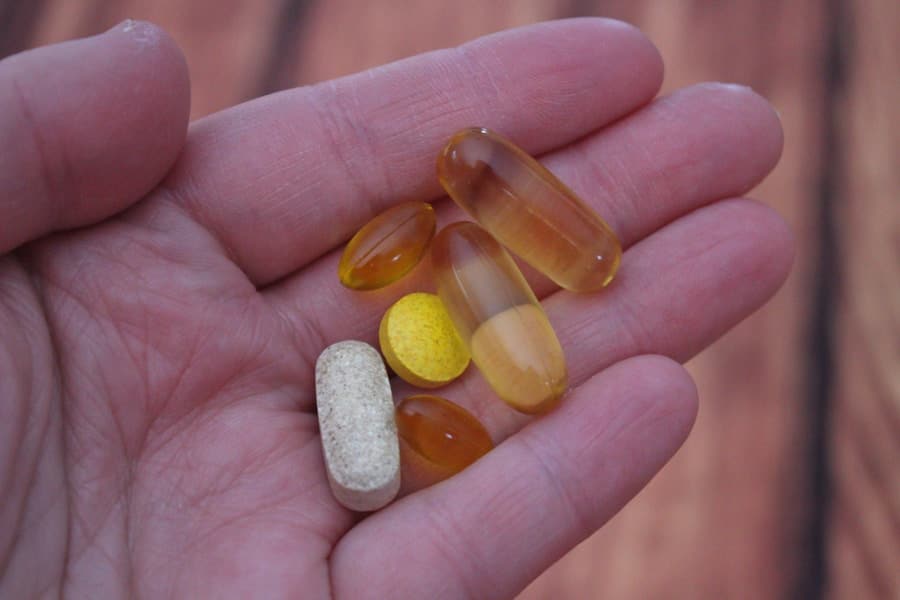
Natural Antihypertensive Properties
Certain herbs have been studied for their potential effects on hypertension. For example, garlic has been shown to have mild antihypertensive properties due to its ability to relax blood vessels and improve circulation. You might consider incorporating fresh garlic into your meals or exploring garlic supplements after consulting with a healthcare professional.
A Flavorful Way to Support Cardiovascular Health
Another popular option is hibiscus tea, which has been linked to lower blood pressure levels in some studies. Drinking hibiscus tea regularly may provide a flavorful way to support your cardiovascular health.
Approach with Caution
However, it’s essential to approach herbal remedies with caution; not all supplements are safe or effective for everyone. Always consult with a healthcare provider before adding new supplements to your routine, especially if you are already taking medications like lisinopril.
Lifestyle Changes for Better Blood Pressure Management
Making comprehensive lifestyle changes can significantly impact your ability to manage blood pressure effectively. In addition to dietary adjustments and regular exercise, consider evaluating other aspects of your daily life that may contribute to hypertension. For instance, limiting alcohol consumption and quitting smoking are two critical changes that can lead to substantial improvements in cardiovascular health.
Both alcohol and tobacco use are associated with increased blood pressure levels and other health risks. Sleep quality is another factor that should not be overlooked when it comes to managing blood pressure. Poor sleep patterns or sleep disorders like sleep apnea can contribute to elevated blood pressure levels over time.
Prioritizing good sleep hygiene—such as maintaining a consistent sleep schedule, creating a comfortable sleep environment, and limiting screen time before bed—can help improve both the quality and duration of your sleep.
Consulting with a Healthcare Professional for Natural Blood Pressure Control
While exploring natural methods for lowering blood pressure can be empowering, it is crucial to consult with a healthcare professional before making significant changes to your treatment plan or lifestyle. Your doctor can provide personalized guidance based on your unique health needs and medical history. They may recommend specific dietary changes, exercise regimens, or stress management techniques tailored to your situation.
Additionally, if you are considering herbal remedies or supplements, discussing these options with your healthcare provider is essential for ensuring safety and efficacy. They can help you navigate potential interactions with medications like lisinopril and monitor your progress over time. By working collaboratively with a healthcare professional, you can develop a comprehensive approach that combines both conventional treatments and natural methods for optimal blood pressure control.
In conclusion, managing high blood pressure requires a multifaceted approach that includes understanding medications like lisinopril while also exploring natural methods such as diet changes, exercise, stress management techniques, herbal remedies, and lifestyle modifications. By taking proactive steps toward better health and collaborating with healthcare professionals, you can empower yourself on the journey toward achieving optimal blood pressure levels and overall well-being.
If you are looking for natural ways to control your blood pressure, you may also be interested in exploring supplements for seniors. This article discusses the importance of incorporating supplements into the diets of older adults to support overall health and well-being. To learn more about the benefits of supplements for seniors, check out this article.
FAQs
What is Lisinopril?
Lisinopril is a medication used to treat high blood pressure (hypertension) and heart failure. It belongs to a class of drugs called ACE inhibitors, which work by relaxing blood vessels to lower blood pressure.
What are the common side effects of Lisinopril?
Common side effects of Lisinopril may include dizziness, headache, cough, and fatigue. In some cases, it can also cause more serious side effects such as kidney problems or allergic reactions.
What are some natural alternatives to Lisinopril for controlling blood pressure?
Natural alternatives to Lisinopril for controlling blood pressure include lifestyle changes such as maintaining a healthy diet low in sodium and high in fruits and vegetables, regular exercise, stress management, and maintaining a healthy weight. Additionally, certain supplements like magnesium, potassium, and CoQ10 may also help in controlling blood pressure.
Can I stop taking Lisinopril and switch to natural alternatives?
It is important to consult with a healthcare professional before making any changes to your medication regimen. They can provide guidance on safely transitioning from Lisinopril to natural alternatives and monitor your blood pressure to ensure it remains under control.
Are there any risks associated with using natural alternatives to control blood pressure?
While natural alternatives can be effective for some individuals, they may not be suitable for everyone. It’s important to discuss any natural supplements or lifestyle changes with a healthcare provider to ensure they are safe and appropriate for your specific health needs.