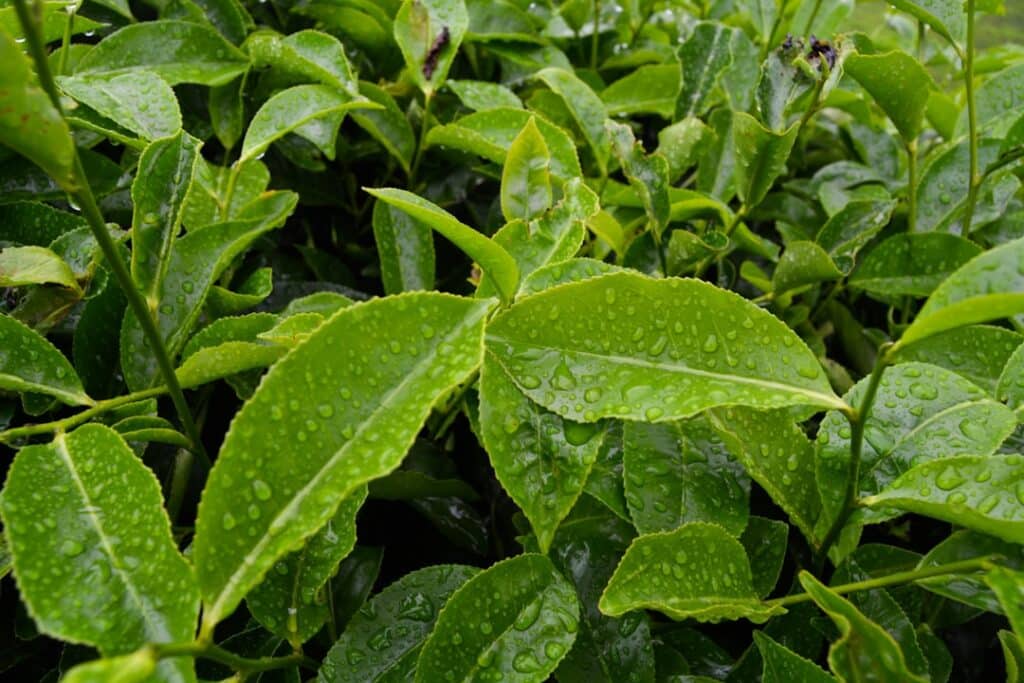
Green tea, derived from the leaves of the Camellia sinensis plant, has been celebrated for centuries not only for its health benefits when consumed but also for its remarkable effects on skin health. Rich in polyphenols, particularly catechins, green tea offers a plethora of advantages that can enhance the appearance and overall health of the skin. One of the most significant benefits is its ability to combat oxidative stress, which is a major contributor to skin aging and various skin conditions.
By incorporating green tea into skincare routines, individuals can harness its natural properties to promote a clearer, more youthful complexion. Moreover, green tea is known for its soothing properties, making it an excellent choice for sensitive or irritated skin. The presence of L-theanine, an amino acid found in green tea, contributes to its calming effects, helping to reduce redness and irritation.
This makes green tea not only a beneficial drink but also a powerful ingredient in topical applications. As consumers become increasingly aware of the importance of natural ingredients in skincare, green tea stands out as a versatile option that can be easily integrated into various products, from serums to masks.
Key Takeaways
- Green tea can help improve skin health by reducing inflammation and promoting a healthy complexion.
- The antioxidant properties of green tea can help protect the skin from damage caused by free radicals and environmental stressors.
- Green tea has anti-inflammatory effects that can help soothe and calm irritated skin, making it a great option for sensitive skin types.
- The anti-aging properties of green tea can help reduce the appearance of fine lines and wrinkles, promoting a more youthful complexion.
- Green tea has the potential to treat acne by reducing sebum production and fighting acne-causing bacteria.
Green Tea’s Antioxidant Properties
The antioxidant properties of green tea are among its most compelling attributes. Antioxidants are compounds that help neutralize free radicals—unstable molecules that can cause cellular damage and accelerate the aging process. Green tea is particularly rich in epigallocatechin gallate (EGCG), a potent catechin that has been extensively studied for its ability to protect skin cells from oxidative stress.
This protection is crucial in maintaining skin integrity and preventing premature aging signs such as fine lines and wrinkles. In addition to EGCG, green tea contains other antioxidants like vitamin C and vitamin E, which further enhance its protective capabilities. These vitamins work synergistically with catechins to provide a comprehensive defense against environmental aggressors such as pollution and UV radiation.
For instance, research has shown that topical application of green tea extracts can significantly reduce the formation of free radicals in the skin after UV exposure, highlighting its potential as a preventive measure against sun damage. By incorporating green tea into skincare formulations, brands can offer consumers products that not only nourish the skin but also provide essential protection against daily environmental stressors.
Green Tea’s Anti-inflammatory Effects

Inflammation is a common underlying factor in many skin conditions, including acne, eczema, and rosacea. Green tea’s anti-inflammatory properties make it an effective ingredient for soothing inflamed skin and promoting overall skin health. The catechins in green tea inhibit the production of pro-inflammatory cytokines, which are signaling molecules that can exacerbate inflammation.
This action helps to calm irritated skin and reduce redness, making green tea an ideal choice for those with sensitive or reactive skin types. Furthermore, studies have demonstrated that topical application of green tea extracts can significantly reduce inflammation in conditions such as acne and psoriasis. For example, a study published in the Journal of Investigative Dermatology found that EGCG could inhibit the activity of certain enzymes involved in the inflammatory response, leading to decreased swelling and redness.
This makes green tea not only a soothing agent but also a potential therapeutic option for individuals struggling with chronic inflammatory skin conditions. By integrating green tea into their skincare routines, users can experience a reduction in inflammation and an improvement in overall skin tone and texture.
Green Tea’s Anti-aging Properties
The quest for youthful skin has led many to explore various anti-aging ingredients, and green tea has emerged as a frontrunner in this category. The combination of antioxidants and anti-inflammatory properties found in green tea contributes to its effectiveness in combating signs of aging. As skin ages, it becomes more susceptible to damage from environmental factors and loses its natural elasticity.
Green tea’s ability to neutralize free radicals helps to mitigate this damage, promoting a more youthful appearance. Additionally, research has indicated that green tea can stimulate collagen production, which is essential for maintaining skin firmness and elasticity. Collagen is a protein that provides structure to the skin, and its decline is a significant factor in the development of wrinkles and sagging skin.
A study published in the journal Skin Pharmacology and Physiology found that topical application of green tea extract led to increased collagen synthesis in human skin fibroblasts. This suggests that incorporating green tea into skincare products could not only help prevent signs of aging but also actively promote healthier, more resilient skin.
Green Tea’s Potential to Treat Acne
Acne is one of the most prevalent skin conditions affecting individuals worldwide, often leading to physical discomfort and emotional distress. Green tea has shown promise as a natural treatment option for acne due to its antibacterial and anti-inflammatory properties. The catechins present in green tea can inhibit the growth of acne-causing bacteria such as Propionibacterium acnes, thereby reducing the likelihood of breakouts.
Moreover, the anti-inflammatory effects of green tea can help alleviate the redness and swelling associated with acne lesions. A study published in the Journal of Dermatological Science demonstrated that applying green tea extract topically resulted in a significant reduction in acne lesions among participants. This dual action—combating bacteria while reducing inflammation—makes green tea an appealing alternative to traditional acne treatments that may come with harsh side effects.
By incorporating green tea into their skincare routines, individuals struggling with acne may find a gentler yet effective solution for managing their condition.
Green Tea’s Potential to Protect Against Sun Damage

Sun exposure is one of the leading causes of skin damage, contributing to premature aging, pigmentation issues, and an increased risk of skin cancer. Green tea has garnered attention for its potential protective effects against UV radiation due to its rich content of antioxidants. The catechins in green tea can absorb UV rays and mitigate their harmful effects on the skin.
Research has shown that topical application of green tea extracts can enhance the skin’s defense against UV-induced damage. A study published in Photochemistry and Photobiology found that applying green tea extract before UV exposure significantly reduced DNA damage in human skin cells. This suggests that incorporating green tea into sunscreens or post-sun exposure products could provide an additional layer of protection against sun damage.
Furthermore, the soothing properties of green tea can help calm sunburned skin, making it a valuable ingredient for after-sun care products.
How to Use Green Tea in Your Skincare Routine
Integrating green tea into your skincare routine can be both simple and effective. One popular method is through the use of green tea-infused products such as cleansers, toners, serums, and moisturizers. Many brands have recognized the benefits of green tea and have formulated products specifically designed to harness its properties.
For instance, using a cleanser containing green tea extract can help remove impurities while providing antioxidant protection. Another effective way to incorporate green tea into your routine is by creating DIY treatments at home. Brewed green tea can be used as a facial toner or added to homemade masks for an extra boost of nourishment.
For example, mixing brewed green tea with honey and yogurt creates a hydrating mask that soothes and revitalizes the skin. Additionally, using cooled green tea bags as eye compresses can help reduce puffiness and dark circles around the eyes due to their anti-inflammatory properties.
Potential Side Effects and Precautions When Using Green Tea on Your Skin
While green tea is generally considered safe for topical use, some individuals may experience allergic reactions or irritation when using products containing this ingredient. It is advisable to conduct a patch test before applying any new product containing green tea to ensure compatibility with your skin type. Additionally, those with sensitive skin should opt for products with lower concentrations of green tea extract or consider diluting it with other soothing ingredients.
Furthermore, while drinking green tea offers numerous health benefits, excessive consumption may lead to adverse effects due to caffeine content or other compounds present in the leaves. It is essential to maintain moderation when incorporating both topical and internal uses of green tea into your routine. Consulting with a dermatologist or skincare professional can provide personalized guidance on how best to utilize green tea for your specific skin concerns while minimizing any potential risks associated with its use.
If you are interested in learning more about the scientific evidence supporting the effectiveness of green tea for your skin, check out this article on scientific evidence supporting their effectiveness. This article dives into the research behind the benefits of green tea for skin health and provides valuable insights into how this natural ingredient can improve your skincare routine. Additionally, if you are looking for high-quality supplements that contain green tea extract, be sure to read this article on best quality supplements. Understanding supplement labels and ingredient lists is crucial when selecting the right products for your skin, so be sure to also check out this informative article on understanding supplement labels and ingredient lists.
FAQs
What are the benefits of green tea for skin?
Green tea contains antioxidants and anti-inflammatory properties that can help protect the skin from damage and reduce redness and irritation. It may also help to improve the overall appearance and texture of the skin.
How can green tea be used for skin care?
Green tea can be used topically as a toner, face mask, or in skincare products to help improve the health and appearance of the skin. It can also be consumed as a beverage to potentially benefit the skin from within.
Can green tea help with acne?
Some studies suggest that the anti-inflammatory and antibacterial properties of green tea may help to reduce acne and improve the overall condition of the skin. However, more research is needed to fully understand its effectiveness.
Are there any potential side effects of using green tea on the skin?
While green tea is generally considered safe for most people, some individuals may experience allergic reactions or skin irritation. It is always best to do a patch test before using green tea topically and to consult with a dermatologist if you have any concerns.
Is it better to drink green tea or use it topically for skin benefits?
Both drinking green tea and using it topically can potentially benefit the skin. Drinking green tea can provide internal antioxidant support, while using it topically can deliver more direct benefits to the skin. Incorporating both methods may provide the most comprehensive support for skin health.