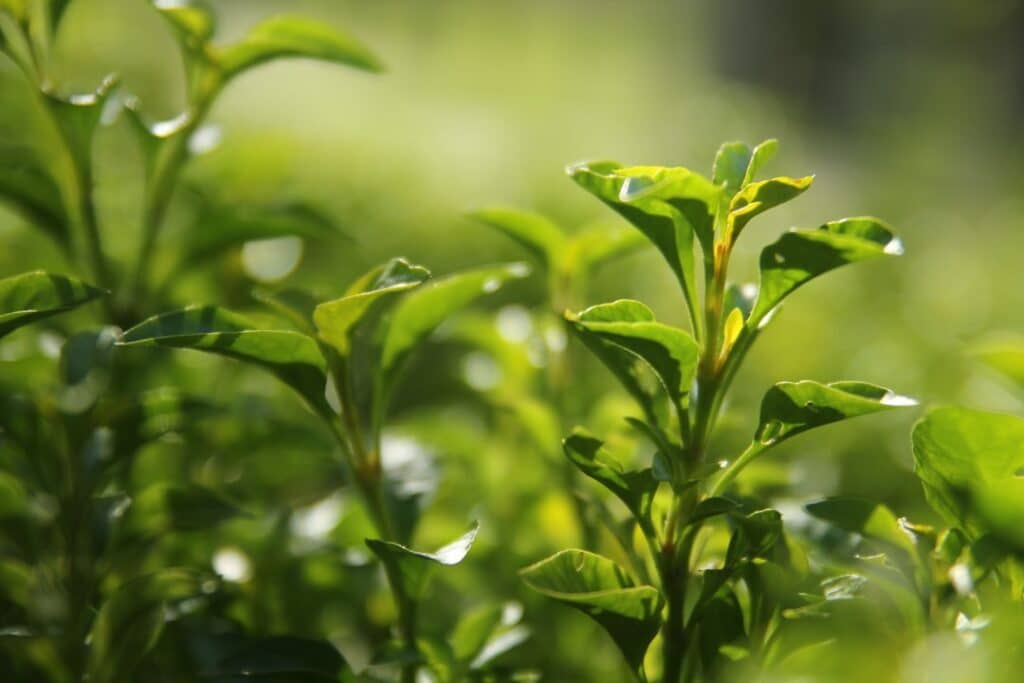
Green tea extract is derived from the leaves of the Camellia sinensis plant, which is the same plant that produces traditional green tea. However, the extraction process concentrates the beneficial compounds found in the leaves, particularly catechins, polyphenols, and caffeine. These compounds are believed to be responsible for many of the health benefits associated with green tea.
The extraction process typically involves using solvents to isolate these active ingredients, resulting in a product that is significantly more potent than brewed green tea. The primary component of green tea extract is epigallocatechin gallate (EGCG), a type of catechin that has garnered considerable attention for its antioxidant properties. Antioxidants are crucial in combating oxidative stress in the body, which can lead to chronic diseases and aging.
Green tea extract is available in various forms, including capsules, powders, and liquid extracts, making it a versatile supplement for those looking to enhance their health regimen. Understanding the composition and potency of green tea extract is essential for anyone considering its use as a dietary supplement.
Key Takeaways
- Green tea extract is a concentrated form of the beneficial compounds found in green tea leaves.
- Green tea extract and green tea differ in potency and concentration of beneficial compounds.
- Green tea extract offers numerous health benefits, including antioxidant and anti-inflammatory properties.
- Green tea extract is made through a process of extracting the active compounds from green tea leaves.
- Potential side effects of green tea extract include liver damage and digestive issues.
Differences Between Green Tea Extract and Green Tea
While both green tea and green tea extract originate from the same plant, their differences lie primarily in concentration and preparation. Green tea is typically consumed as a beverage, where the leaves are steeped in hot water, allowing some of the beneficial compounds to leach into the liquid. However, this method results in a relatively low concentration of active ingredients compared to what is found in green tea extract.
For instance, a cup of brewed green tea may contain around 30-50 mg of catechins, while a single dose of green tea extract can provide several hundred milligrams. Another significant difference is the presence of other compounds in green tea that may not be as concentrated in the extract. When drinking green tea, one also ingests amino acids like L-theanine, which can promote relaxation and improve focus.
In contrast, green tea extract may lack these additional components due to the extraction process. This distinction is crucial for individuals who may be seeking specific benefits from either form; while green tea offers a more holistic approach with its array of compounds, green tea extract provides a targeted boost of antioxidants and other active ingredients.
Benefits of Green Tea Extract

The health benefits of green tea extract are extensive and well-documented in scientific literature. One of the most notable advantages is its potential for weight management. Research has shown that the catechins in green tea extract can enhance metabolic rate and promote fat oxidation, particularly during exercise.
A study published in the American Journal of Clinical Nutrition found that participants who consumed green tea extract experienced a significant increase in energy expenditure compared to those who did not. This effect can be particularly beneficial for individuals looking to lose weight or maintain a healthy body composition. In addition to weight management, green tea extract has been linked to improved cardiovascular health.
The antioxidants present in the extract can help lower LDL cholesterol levels and improve overall heart function. A meta-analysis published in the journal Nutrition Reviews indicated that regular consumption of green tea or its extracts was associated with a reduced risk of cardiovascular disease. Furthermore, the anti-inflammatory properties of EGCG may contribute to better blood vessel function and reduced arterial stiffness, further supporting heart health.
How Green Tea Extract is Made
The production of green tea extract involves several steps designed to maximize the concentration of beneficial compounds while preserving their integrity. Initially, fresh leaves from the Camellia sinensis plant are harvested and quickly steamed or pan-fired to prevent oxidation. This process retains the vibrant green color and preserves the delicate polyphenols that are characteristic of green tea.
After this initial treatment, the leaves are dried and ground into a fine powder or left whole for further processing. The extraction process itself typically employs solvents such as water or ethanol to dissolve the active compounds from the leaves. This step may involve various techniques, including cold pressing or supercritical fluid extraction, which uses carbon dioxide at high pressure to isolate specific compounds without damaging them.
The resulting liquid extract is then concentrated through evaporation or freeze-drying to create a potent powder or liquid form that can be encapsulated or bottled for consumer use. The meticulous nature of this process ensures that consumers receive a product rich in antioxidants and other beneficial compounds.
Potential Side Effects of Green Tea Extract
While green tea extract is generally considered safe for most individuals when consumed in moderation, it is not without potential side effects. One common concern is related to its caffeine content. Although green tea extract typically contains less caffeine than coffee or black tea, excessive consumption can lead to symptoms such as insomnia, jitteriness, or increased heart rate.
Individuals who are sensitive to caffeine or those who consume other sources of caffeine should monitor their intake carefully. Another potential side effect arises from the high concentration of catechins in green tea extract, which can affect liver function if taken in excessive amounts. Some studies have reported cases of liver toxicity associated with high doses of concentrated green tea extracts, particularly those containing high levels of EGCG.
It is advisable for individuals with pre-existing liver conditions or those taking medications that affect liver function to consult with a healthcare professional before incorporating green tea extract into their routine.
How to Use Green Tea Extract

Incorporating green tea extract into one’s daily routine can be done in various ways depending on personal preferences and health goals. For those seeking weight management benefits, taking capsules or tablets containing standardized doses of green tea extract can be an effective option. Typically, dosages range from 250 mg to 500 mg per day, but it is essential to follow the manufacturer’s recommendations or consult with a healthcare provider for personalized advice.
For individuals who prefer a more versatile approach, powdered green tea extract can be added to smoothies, yogurt, or baked goods. This method not only enhances the nutritional profile of meals but also allows for creative culinary applications. Additionally, liquid extracts can be mixed into beverages or taken sublingually for faster absorption.
Regardless of the method chosen, consistency is key; incorporating green tea extract into a daily routine can help maximize its potential health benefits over time.
Choosing Between Green Tea Extract and Green Tea
Deciding between green tea extract and traditional green tea largely depends on individual health goals and lifestyle preferences. For those looking for a quick and concentrated source of antioxidants, green tea extract may be more suitable due to its higher potency and ease of use in supplement form. This option is particularly appealing for individuals who may not enjoy the taste of brewed green tea or those who find it challenging to consume multiple cups daily.
Conversely, traditional green tea offers a more holistic experience with its array of flavors and aromas while providing additional health benefits from its other components like L-theanine. Drinking brewed green tea can also serve as a calming ritual that promotes mindfulness and relaxation—benefits that may not be fully replicated through supplementation alone. Ultimately, individuals may find that a combination of both forms works best for them; enjoying brewed green tea while also taking an extract supplement can provide a comprehensive approach to harnessing the health benefits associated with this remarkable plant.
The choice between green tea extract and traditional green tea involves weighing various factors such as health objectives, personal preferences, and lifestyle considerations. Both forms offer unique advantages; while green tea extract provides concentrated doses of beneficial compounds ideal for targeted health benefits like weight management and antioxidant support, traditional green tea offers a broader spectrum of nutrients along with an enjoyable drinking experience. Understanding these differences allows consumers to make informed decisions about their health regimens.
Whether one opts for the convenience and potency of an extract or the soothing ritual of brewing a cup of green tea, both options contribute positively to overall well-being when integrated thoughtfully into daily life. As research continues to unveil new insights into the health benefits of these products, individuals can feel confident in their choices as they explore the rich world of green tea and its extracts.
If you are interested in learning more about the nutrients you need daily, you may want to check out this article. It provides valuable information on the essential nutrients our bodies require for optimal health. Additionally, if you have specific dietary restrictions such as gluten-free or lactose-free, you may find this article helpful in finding suitable supplements. For detailed information on common supplement ingredients, you can refer to this article.
FAQs
What is green tea extract?
Green tea extract is a concentrated form of the beneficial compounds found in green tea leaves. It is often used as a dietary supplement and is known for its potential health benefits, including antioxidant and anti-inflammatory properties.
Is green tea extract the same as green tea?
No, green tea extract is not the same as green tea. Green tea extract is a concentrated form of the beneficial compounds found in green tea leaves, while green tea is the actual brewed beverage made from the leaves.
How is green tea extract different from green tea?
Green tea extract is typically more concentrated than brewed green tea, meaning it contains higher levels of the beneficial compounds such as catechins and antioxidants. This makes it a popular choice for those looking to reap the potential health benefits of green tea in a more concentrated form.
What are the potential health benefits of green tea extract?
Green tea extract is believed to have potential health benefits, including antioxidant and anti-inflammatory properties. It has been studied for its potential role in supporting heart health, weight management, and overall well-being.
How is green tea extract used?
Green tea extract is commonly used as a dietary supplement and is available in various forms, including capsules, powders, and liquid extracts. It is often taken for its potential health benefits, but it’s important to follow the recommended dosage and consult with a healthcare professional before using it.