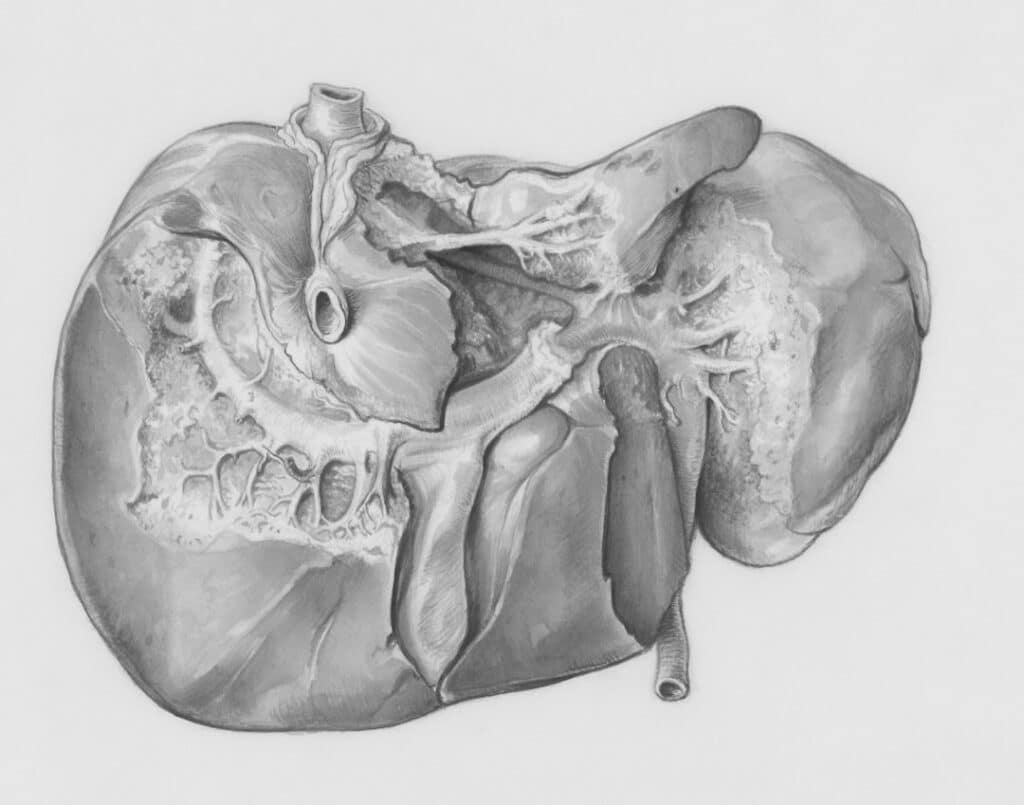
Fatty liver disease, also known as hepatic steatosis, is a condition characterized by the accumulation of excess fat in liver cells. This condition can arise from various factors, including obesity, excessive alcohol consumption, and certain medications. You may not realize it, but fatty liver disease can affect anyone, regardless of age or lifestyle.
It often develops silently, with few noticeable symptoms in its early stages. As the condition progresses, it can lead to more severe liver issues, such as inflammation, fibrosis, or even cirrhosis. Understanding the nuances of this disease is crucial for maintaining your overall health.
The two primary types of fatty liver disease are alcoholic fatty liver disease (AFLD) and non-alcoholic fatty liver disease (NAFLD). AFLD is directly linked to excessive alcohol intake, while NAFLD occurs in individuals who drink little to no alcohol. If you find yourself in the latter category, you might be surprised to learn that factors such as poor diet, sedentary lifestyle, and metabolic disorders can contribute to the development of NAFLD.
Recognizing the risk factors associated with fatty liver disease is essential for prevention and management. By being aware of your own lifestyle choices and their potential impact on your liver health, you can take proactive steps to mitigate risks.
Key Takeaways
- Fatty liver disease is a condition where fat accumulates in the liver, leading to inflammation and potential liver damage.
- Maintaining liver health is crucial for overall well-being, as the liver plays a key role in detoxification and metabolism.
- Supplements can support liver health by providing essential nutrients and antioxidants that help reduce inflammation and support liver function.
- Key ingredients in fatty liver supplements include milk thistle, N-acetylcysteine, and vitamin E, which have been shown to support liver health.
- Fatty liver supplements can help reduce liver inflammation, improve liver function, and support overall liver health when used as part of a healthy lifestyle.
Importance of Liver Health
Your liver plays a vital role in maintaining your overall health and well-being. It is responsible for filtering toxins from your blood, producing bile for digestion, and storing essential nutrients. When your liver is functioning optimally, it helps regulate your metabolism and supports various bodily functions.
However, when liver health is compromised, it can lead to a cascade of health issues that affect not only your digestive system but also your immune response and energy levels. Therefore, prioritizing liver health is essential for achieving a balanced and healthy life. Maintaining a healthy liver is particularly important because it serves as a barometer for your overall health.
If you experience fatigue, unexplained weight gain, or digestive issues, it may be time to evaluate your liver function. You might be surprised to learn that many people overlook the significance of their liver until they encounter serious health problems. By understanding the importance of liver health and taking proactive measures to support it, you can enhance your quality of life and reduce the risk of developing chronic diseases.
Role of Supplements in Liver Health

In recent years, there has been a growing interest in the role of dietary supplements in promoting liver health. While a balanced diet rich in whole foods is the foundation for good health, supplements can provide additional support when needed. If you find it challenging to meet your nutritional needs through food alone or if you are at risk for liver issues, incorporating specific supplements into your routine may be beneficial.
These supplements can help protect your liver from damage and support its natural detoxification processes. Supplements designed for liver health often contain a blend of vitamins, minerals, and herbal extracts that work synergistically to promote optimal liver function. For instance, certain antioxidants can help combat oxidative stress in the liver, while other ingredients may support bile production or enhance fat metabolism.
By understanding the role of these supplements in your overall health strategy, you can make informed decisions about which products may be right for you.
Key Ingredients in Fatty Liver Supplements
| Ingredient | Function | Recommended Dosage |
|---|---|---|
| Milk Thistle | Supports liver function and detoxification | 150-200 mg per day |
| Omega-3 fatty acids | Reduces liver inflammation and fat accumulation | 1000-4000 mg per day |
| Vitamin E | Antioxidant properties, protects liver cells | 800 IU per day |
| N-acetylcysteine (NAC) | Supports glutathione production, reduces oxidative stress | 600-1800 mg per day |
When exploring fatty liver supplements, it’s essential to familiarize yourself with the key ingredients that are commonly included in these formulations. One of the most well-known ingredients is milk thistle extract, which contains silymarin—a powerful antioxidant that has been shown to protect liver cells from damage. If you’re looking for a natural way to support your liver health, milk thistle may be an excellent option to consider.
Another important ingredient often found in fatty liver supplements is N-acetylcysteine (NAC). This compound plays a crucial role in replenishing glutathione levels in the body, which is vital for detoxification processes in the liver. Additionally, omega-3 fatty acids have gained attention for their anti-inflammatory properties and their ability to improve lipid profiles in individuals with fatty liver disease.
By understanding these key ingredients and their benefits, you can make more informed choices about which supplements may best support your liver health.
Benefits of Fatty Liver Supplements
Incorporating fatty liver supplements into your daily routine can offer numerous benefits that extend beyond just supporting liver function. For instance, many individuals report increased energy levels and improved digestion after using these supplements regularly. This boost in vitality can significantly enhance your overall quality of life and motivate you to engage in healthier lifestyle choices.
Moreover, fatty liver supplements may help reduce inflammation within the liver and promote fat metabolism. This can be particularly beneficial if you’re struggling with weight management or metabolic syndrome. By addressing these underlying issues, you may find it easier to achieve and maintain a healthy weight while also reducing your risk of developing more severe liver conditions down the line.
Ultimately, the benefits of fatty liver supplements can contribute to a more vibrant and healthier you.
How to Choose the Right Fatty Liver Supplement

Choosing the right fatty liver supplement can feel overwhelming given the plethora of options available on the market today. To make an informed decision, start by researching reputable brands that prioritize quality and transparency in their formulations. Look for products that have undergone third-party testing to ensure their potency and purity.
This step is crucial because it guarantees that what you’re putting into your body is safe and effective. Additionally, consider consulting with a healthcare professional before starting any new supplement regimen. They can provide personalized recommendations based on your unique health needs and goals.
Pay attention to the ingredient list as well; opt for supplements that contain well-researched components known for their benefits to liver health. By taking these steps, you can feel confident that you’re making a choice that aligns with your health objectives.
Lifestyle Changes for Liver Health
While supplements can play a supportive role in maintaining liver health, lifestyle changes are equally important for achieving long-term results. One of the most impactful changes you can make is adopting a balanced diet rich in whole foods. Focus on incorporating plenty of fruits, vegetables, whole grains, lean proteins, and healthy fats into your meals.
This approach not only nourishes your body but also provides essential nutrients that support optimal liver function. Regular physical activity is another critical component of maintaining a healthy liver. Engaging in exercise helps improve circulation and promotes fat metabolism, which can be particularly beneficial if you’re dealing with fatty liver disease.
Aim for at least 150 minutes of moderate-intensity aerobic activity each week, along with strength training exercises on two or more days. By making these lifestyle changes a priority, you can significantly enhance your liver health and overall well-being.
Consultation with a Healthcare Professional
Before embarking on any new health journey—especially one involving supplements—it’s essential to consult with a healthcare professional. They can help assess your current health status and determine whether fatty liver supplements are appropriate for you. A healthcare provider can also guide you on dosage recommendations and potential interactions with any medications you may be taking.
Additionally, regular check-ups with your healthcare professional can help monitor your liver function over time. They may recommend blood tests or imaging studies to assess the state of your liver and track any changes as you implement lifestyle modifications or introduce supplements into your routine. By working closely with a healthcare professional, you can ensure that you’re taking a comprehensive approach to supporting your liver health while minimizing any potential risks.
In conclusion, understanding fatty liver disease and its implications on overall health is crucial for anyone looking to maintain optimal well-being. By prioritizing liver health through informed choices about diet, exercise, and supplementation—and by consulting with healthcare professionals—you can take significant steps toward achieving a healthier lifestyle and reducing the risk of serious complications associated with fatty liver disease.
If you are interested in learning more about the benefits of incorporating supplements into your diet, check out this informative article here. It discusses how supplements can help improve overall health and wellness, including specific benefits for conditions like fatty liver. By adding the right supplements to your daily routine, you can support your liver health and promote better overall well-being.
FAQs
What is a fatty liver?
A fatty liver, also known as hepatic steatosis, is a condition where there is an accumulation of fat in the liver cells. This can be caused by various factors such as obesity, high alcohol consumption, diabetes, and high levels of triglycerides in the blood.
What are the symptoms of fatty liver disease?
Fatty liver disease is often asymptomatic, but some people may experience fatigue, weakness, and discomfort in the upper right abdomen. In more severe cases, it can lead to liver inflammation and scarring, known as nonalcoholic steatohepatitis (NASH), which can cause symptoms such as jaundice, abdominal swelling, and confusion.
How can health supplements help with fatty liver?
Health supplements for fatty liver often contain ingredients such as milk thistle, N-acetylcysteine, and vitamin E, which have been shown to have potential benefits for liver health. These supplements may help reduce inflammation, oxidative stress, and fat accumulation in the liver.
Are health supplements a substitute for medical treatment for fatty liver?
Health supplements should not be used as a substitute for medical treatment for fatty liver. It is important to consult with a healthcare professional for proper diagnosis and treatment. Health supplements can be used as a complementary approach to a healthy diet and lifestyle changes recommended by a healthcare provider.
Are there any risks or side effects associated with health supplements for fatty liver?
Some health supplements may have potential risks and side effects, especially if taken in high doses or in combination with other medications. It is important to consult with a healthcare professional before starting any health supplement, especially if you have a pre-existing medical condition or are taking other medications.