
Glutathione, often referred to as the body’s master antioxidant, plays a crucial role in maintaining overall health, particularly in the brain. This powerful tripeptide, composed of three amino acids—cysteine, glutamine, and glycine—serves as a key player in various biochemical processes. You may not realize it, but glutathione is essential for detoxifying harmful substances, protecting cells from oxidative stress, and supporting the immune system.
Its presence in the brain is particularly vital, as the central nervous system is highly susceptible to oxidative damage due to its high metabolic activity and oxygen consumption. As you delve deeper into the world of brain health, understanding glutathione’s role becomes increasingly important. It not only helps to neutralize free radicals but also plays a part in regenerating other antioxidants, such as vitamins C and E.
This interconnectedness highlights the significance of maintaining optimal glutathione levels for cognitive function and overall mental well-being. In a world where stressors abound and neurological disorders are on the rise, recognizing the importance of glutathione can empower you to take proactive steps toward enhancing your brain health.
Key Takeaways
- Glutathione is a powerful antioxidant that plays a crucial role in brain health and function.
- Low levels of glutathione have been linked to various neurological disorders, including Alzheimer’s disease, Parkinson’s disease, and multiple sclerosis.
- Glutathione acts as an antioxidant in the brain by neutralizing harmful free radicals and protecting brain cells from oxidative stress.
- Increasing glutathione levels in the brain has been shown to improve cognitive function and mental health, and may have potential benefits for conditions such as depression and anxiety.
- Ways to increase glutathione levels in the brain include consuming foods rich in glutathione precursors, such as sulfur-containing vegetables, and taking glutathione supplements.
The Link Between Glutathione Levels and Neurological Disorders
Research has increasingly pointed to a compelling connection between glutathione levels and various neurological disorders. When you consider conditions such as Alzheimer’s disease, Parkinson’s disease, and multiple sclerosis, it becomes evident that low levels of glutathione may contribute to the progression of these ailments. In fact, studies have shown that individuals with neurodegenerative diseases often exhibit significantly reduced glutathione levels in their brains.
This deficiency can lead to increased oxidative stress and inflammation, which are known contributors to neuronal damage. Understanding this link can be a wake-up call for many. If you or someone you know is at risk for neurological disorders, it may be worth exploring ways to boost glutathione levels.
The implications of this research are profound; by addressing glutathione deficiency, you could potentially slow down or even prevent the onset of certain neurological conditions. As scientists continue to investigate this relationship, it becomes increasingly clear that maintaining healthy glutathione levels is not just beneficial but may be essential for preserving cognitive function as you age.
How Glutathione Acts as an Antioxidant in the Brain
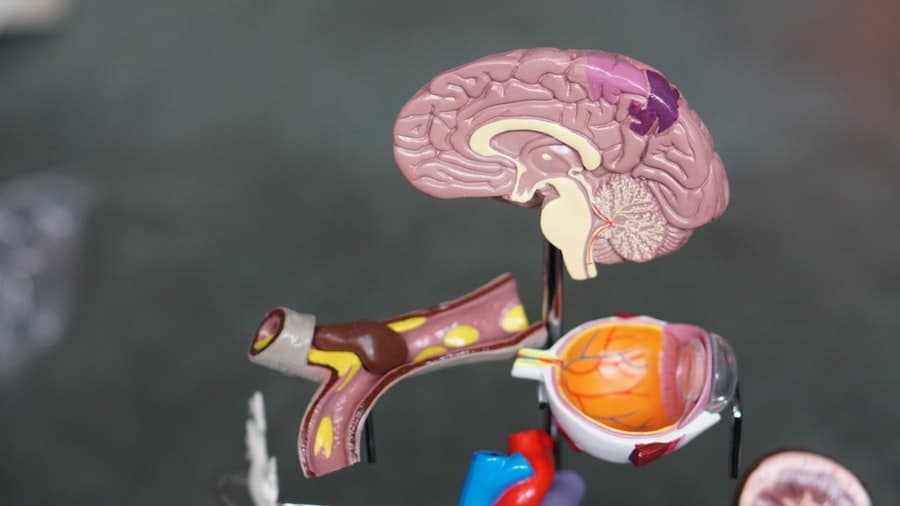
Glutathione’s role as an antioxidant in the brain cannot be overstated. As you navigate through daily life, your brain is constantly exposed to oxidative stress from various sources, including environmental toxins, poor diet, and even normal metabolic processes. Glutathione acts as a frontline defense against this oxidative damage by neutralizing free radicals and reactive oxygen species (ROS).
By doing so, it helps to protect neurons from injury and maintain their functionality. Moreover, glutathione’s antioxidant properties extend beyond mere neutralization of harmful agents. It also plays a role in the regeneration of other antioxidants, creating a synergistic effect that enhances overall cellular protection.
When you think about the brain’s complex network of neurons and synapses, it becomes clear that maintaining a robust antioxidant defense system is crucial for optimal cognitive performance. By ensuring that your brain has adequate levels of glutathione, you are essentially fortifying its defenses against oxidative stress and promoting long-term health.
The Impact of Glutathione on Cognitive Function and Mental Health
The influence of glutathione on cognitive function and mental health is an area of growing interest among researchers. You may find it fascinating that studies have suggested a correlation between high glutathione levels and improved cognitive performance. This connection is particularly relevant for tasks requiring memory, attention, and executive function.
When your brain is well-protected from oxidative stress, it can operate more efficiently, leading to enhanced cognitive abilities. In addition to cognitive performance, glutathione may also play a role in emotional well-being. Some research indicates that low levels of glutathione are associated with mood disorders such as depression and anxiety.
By supporting neurotransmitter function and reducing inflammation in the brain, glutathione could potentially help alleviate symptoms of these conditions. As you consider your mental health, it’s worth reflecting on how lifestyle choices that promote healthy glutathione levels could contribute to a more balanced emotional state.
Ways to Increase Glutathione Levels in the Brain
If you’re interested in boosting your glutathione levels for better brain health, there are several strategies you can adopt. One effective approach is through dietary choices. Foods rich in sulfur-containing amino acids—such as garlic, onions, cruciferous vegetables (like broccoli and kale), and legumes—can help enhance your body’s natural production of glutathione.
Incorporating these foods into your meals can be a delicious way to support your brain health. In addition to dietary changes, regular physical activity has been shown to increase glutathione levels. Engaging in aerobic exercises like running or swimming can stimulate the production of this vital antioxidant.
Furthermore, practices such as yoga and meditation can help reduce stress levels, which may indirectly support healthy glutathione levels by minimizing oxidative stress on the brain. By combining these lifestyle changes with a focus on mental well-being, you can create a holistic approach to enhancing your brain health.
The Potential Benefits of Glutathione Supplements for Brain Health

Benefits for Neurodegenerative Diseases and Cognitive Decline
This could be particularly beneficial for individuals at risk for neurodegenerative diseases or those experiencing cognitive decline.
Varying Results and the Importance of Caution
While some individuals report positive effects from glutathione supplements, such as improved energy levels and enhanced mental clarity, results can vary widely from person to person.
Consulting a Healthcare Professional
Consulting with a healthcare professional before starting any supplement regimen is crucial to ensure that it aligns with your specific health needs and goals.
Risks and Side Effects of Glutathione Supplementation
While glutathione supplementation may offer potential benefits for brain health, it’s important to be aware of possible risks and side effects associated with its use. Some individuals may experience gastrointestinal discomfort or allergic reactions when taking oral supplements. Additionally, there is ongoing debate about the efficacy of oral glutathione compared to other forms of supplementation, such as intravenous administration.
You should weigh these factors carefully before deciding on supplementation. Moreover, excessive supplementation could lead to imbalances in other antioxidants or interfere with your body’s natural production of glutathione. It’s essential to approach supplementation thoughtfully and consider lifestyle changes that promote natural glutathione production alongside any supplement use.
By doing so, you can create a balanced approach that supports your overall brain health without introducing unnecessary risks.
The Future of Glutathione Research in Brain Health
As research into glutathione continues to evolve, its potential implications for brain health are becoming increasingly clear. You may find it exciting that scientists are exploring new avenues for enhancing glutathione levels through innovative therapies and interventions. The ongoing investigation into its role in neurological disorders could pave the way for novel treatment strategies aimed at preventing or slowing cognitive decline.
In conclusion, understanding the significance of glutathione in brain health empowers you to take proactive steps toward enhancing your cognitive function and emotional well-being. Whether through dietary choices, lifestyle changes, or informed supplementation, there are numerous ways to support healthy glutathione levels. As research progresses, staying informed about new findings will enable you to make educated decisions about your brain health journey.
Embracing this knowledge today could lead to a brighter tomorrow for your cognitive well-being.
If you are interested in learning more about the importance of nutrition for overall health, you may want to check out the article What Are 3 Reasons Why Nutrition Is Important. This article discusses the impact of nutrition on various aspects of health, including brain function. It provides valuable insights into how proper nutrition can support cognitive health and overall well-being.
FAQs
What is glutathione?
Glutathione is a powerful antioxidant that is naturally produced in the body. It plays a crucial role in protecting cells from oxidative stress and maintaining overall health.
How do glutathione supplements influence brain health?
Glutathione supplements have been shown to support brain health by reducing oxidative stress, protecting neurons, and promoting overall cognitive function. They may also help in the management of neurodegenerative diseases.
What are the potential benefits of taking glutathione supplements for brain health?
Some potential benefits of taking glutathione supplements for brain health include improved memory, enhanced focus and concentration, and a reduced risk of age-related cognitive decline.
Are there any potential side effects of taking glutathione supplements?
While glutathione supplements are generally considered safe for most people, some individuals may experience side effects such as stomach upset, allergic reactions, or headaches. It is important to consult with a healthcare professional before starting any new supplement regimen.
How should glutathione supplements be taken for optimal brain health benefits?
The optimal dosage of glutathione supplements for brain health can vary depending on individual needs and health conditions. It is important to follow the recommended dosage on the product label or consult with a healthcare professional for personalized guidance.