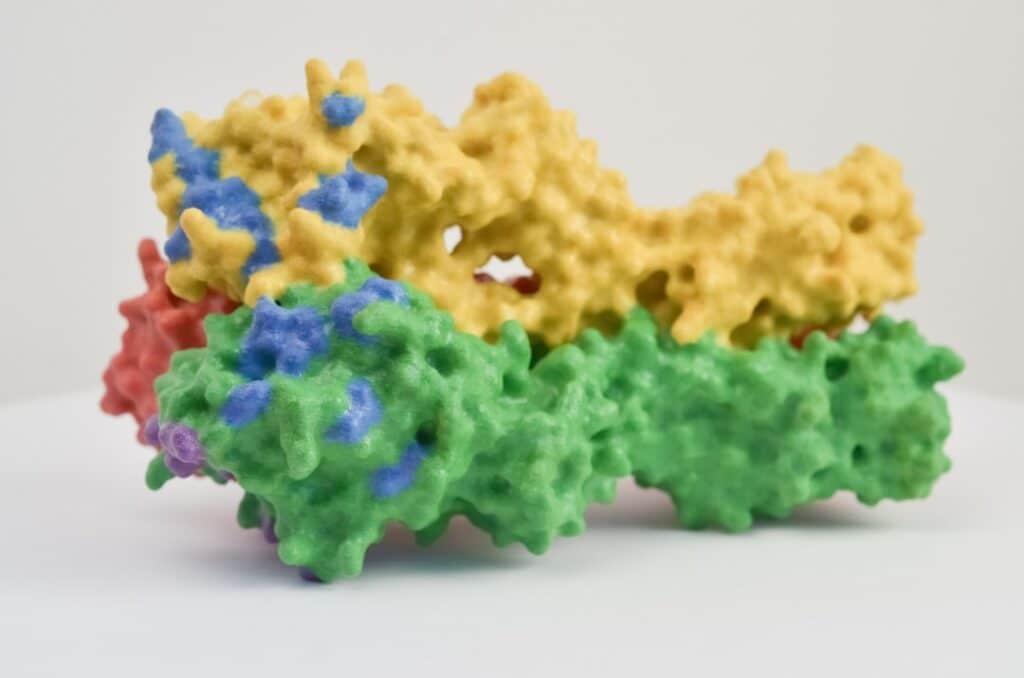
Glutathione is often referred to as the body’s master antioxidant, and for good reason. This powerful tripeptide, composed of three amino acids—cysteine, glutamine, and glycine—plays a crucial role in maintaining cellular health and overall well-being. You may not realize it, but glutathione is present in every cell of your body, working tirelessly to protect you from various forms of stress and damage.
Its primary function is to neutralize free radicals, which are unstable molecules that can cause oxidative damage to cells, proteins, and DNBy doing so, glutathione helps to maintain the integrity of your cells and supports numerous biochemical processes essential for life. In addition to its antioxidant properties, glutathione is involved in several other vital functions. It aids in the synthesis of proteins and the activation of enzymes, which are necessary for various metabolic processes.
Furthermore, glutathione plays a significant role in the regulation of immune responses, helping your body to fend off infections and diseases. As you navigate through daily life, understanding the multifaceted role of glutathione can empower you to make choices that support its levels in your body, ultimately enhancing your health and vitality.
Key Takeaways
- Glutathione plays a crucial role in the body’s antioxidant defense system, protecting cells from oxidative damage and supporting overall health.
- Oxidative stress, caused by an imbalance of free radicals and antioxidants, can lead to various health issues such as inflammation, aging, and chronic diseases.
- Glutathione acts as a powerful antioxidant by neutralizing free radicals and preventing cellular damage, thus reducing the risk of chronic diseases.
- Glutathione is essential for detoxification processes in the liver, helping to remove harmful toxins and chemicals from the body.
- Glutathione supports the immune system by enhancing the activity of immune cells and promoting a healthy immune response to infections and diseases.
Understanding Oxidative Stress and its Impact on Health
Oxidative stress occurs when there is an imbalance between free radicals and antioxidants in your body. When free radicals outnumber antioxidants like glutathione, they can wreak havoc on your cells, leading to a range of health issues. This imbalance can result from various factors, including environmental toxins, poor diet, stress, and even natural aging processes.
You might not be aware that oxidative stress is linked to numerous chronic diseases such as heart disease, diabetes, and cancer. By understanding this concept, you can take proactive steps to mitigate its effects on your health. The impact of oxidative stress extends beyond just physical ailments; it can also affect your mental well-being.
Research has shown that oxidative stress may play a role in neurodegenerative diseases like Alzheimer’s and Parkinson’s. When your brain cells are damaged by free radicals, cognitive decline can occur, leading to memory loss and other neurological issues. Recognizing the significance of oxidative stress in your life can motivate you to adopt healthier habits that promote a balanced antioxidant defense system, ultimately safeguarding both your physical and mental health.
How Glutathione Acts as an Antioxidant

As an antioxidant, glutathione works by donating electrons to free radicals, effectively neutralizing them and preventing cellular damage. This process is vital for maintaining cellular integrity and function. When you think about how your body combats oxidative stress, consider glutathione as a frontline defender that tirelessly works to protect your cells from harm.
Unlike other antioxidants that may become depleted after neutralizing a free radical, glutathione can be recycled within the body, allowing it to continue its protective role. Moreover, glutathione’s antioxidant capabilities extend beyond just neutralizing free radicals. It also helps regenerate other antioxidants such as vitamins C and E, enhancing their effectiveness in combating oxidative stress.
This synergistic relationship between glutathione and other antioxidants creates a robust defense system that can significantly reduce the risk of chronic diseases. By understanding how glutathione functions as an antioxidant, you can appreciate its importance in maintaining your overall health and consider ways to support its levels in your body.
The Importance of Glutathione in Detoxification
Detoxification is a critical process that your body undergoes to eliminate harmful substances and maintain optimal health. Glutathione plays a pivotal role in this process by binding to toxins and facilitating their excretion from the body. This tripeptide acts as a powerful chelator, meaning it can bind to heavy metals and other harmful compounds, rendering them less toxic and easier for your body to eliminate.
When you consider the myriad of toxins you encounter daily—from environmental pollutants to processed foods—it’s clear that supporting glutathione levels is essential for effective detoxification. In addition to its role in binding toxins, glutathione also supports liver function, which is crucial for detoxification. The liver is responsible for metabolizing drugs and breaking down harmful substances, and adequate levels of glutathione are necessary for these processes to occur efficiently.
When your liver is functioning optimally, it can better filter out toxins from your bloodstream, promoting overall health and well-being. By prioritizing glutathione-rich foods and lifestyle choices that support its production, you can enhance your body’s natural detoxification capabilities.
Glutathione’s Role in Supporting the Immune System
Your immune system is your body’s defense mechanism against infections and diseases, and glutathione plays a vital role in supporting its function. This tripeptide helps regulate immune responses by modulating the activity of immune cells such as lymphocytes and macrophages. When your body is under attack from pathogens or foreign invaders, adequate levels of glutathione are necessary for a robust immune response.
By ensuring that your immune system is functioning optimally, you can better protect yourself from illnesses. Furthermore, glutathione has been shown to have anti-inflammatory properties, which can be beneficial in managing chronic inflammatory conditions. Inflammation is a natural response to injury or infection; however, when it becomes chronic, it can lead to various health issues.
By reducing inflammation through its antioxidant properties, glutathione helps maintain a balanced immune response while preventing excessive inflammation that could harm your body. Understanding the connection between glutathione and immune health empowers you to take proactive steps toward enhancing your overall well-being.
How Glutathione Protects Cells from Damage
Protecting Cellular Integrity
Glutathione serves as a protective shield for your cells by neutralizing harmful free radicals and preventing oxidative damage. When you think about the importance of cellular health, consider how glutathione acts as a guardian that helps maintain the integrity of your cells.
Maintaining Cellular Function
By protecting cellular structures like membranes and organelles from damage, glutathione ensures that your cells can function optimally. In addition to its protective role against oxidative damage, glutathione also plays a part in DNA repair mechanisms. When DNA is damaged by environmental factors or internal processes, glutathione helps facilitate repair processes that restore cellular function.
Preventing Mutations and Disease
This ability to protect against DNA damage is particularly important for preventing mutations that could lead to cancer or other serious health conditions. By recognizing how glutathione safeguards your cells from damage, you can appreciate its significance in promoting long-term health and vitality.
Factors that Deplete Glutathione Levels in the Body
While glutathione is essential for maintaining health, several factors can lead to its depletion in the body. One significant contributor is oxidative stress itself; as free radicals increase due to environmental toxins or poor dietary choices, they can overwhelm the body’s antioxidant defenses, including glutathione levels. Additionally, chronic illnesses such as diabetes or liver disease can further deplete glutathione stores as the body struggles to combat ongoing oxidative stress.
Lifestyle factors also play a crucial role in glutathione depletion. Poor nutrition—particularly diets low in fruits and vegetables—can limit the availability of the amino acids necessary for glutathione synthesis. Furthermore, excessive alcohol consumption and smoking are known to reduce glutathione levels significantly.
Stress—both physical and emotional—can also impact glutathione production negatively. By being aware of these factors that deplete glutathione levels in your body, you can take proactive measures to mitigate their effects and support optimal health.
The Link Between Glutathione and Aging
As you age, your body’s natural production of glutathione tends to decline. This decrease can contribute to various age-related health issues due to reduced antioxidant protection against oxidative stress. The link between aging and glutathione levels has been extensively studied; researchers have found that lower levels of this vital tripeptide are associated with increased susceptibility to chronic diseases such as cardiovascular disease and neurodegenerative disorders.
Understanding this connection highlights the importance of maintaining healthy glutathione levels throughout your life. Moreover, the decline in glutathione levels with age may also impact skin health. Reduced antioxidant protection can lead to increased signs of aging such as wrinkles and loss of elasticity.
By prioritizing strategies that support glutathione production—such as consuming a nutrient-rich diet or engaging in regular physical activity—you can help counteract some of the effects of aging on your body and skin. Recognizing the relationship between glutathione and aging empowers you to take proactive steps toward preserving your health as you grow older.
Ways to Boost Glutathione Levels Naturally
Boosting your body’s glutathione levels naturally can be achieved through various lifestyle choices and dietary modifications. One effective way is by incorporating foods rich in sulfur-containing amino acids into your diet—these include garlic, onions, cruciferous vegetables like broccoli and Brussels sprouts, and legumes. These foods provide the building blocks necessary for your body to synthesize more glutathione effectively.
In addition to dietary changes, regular exercise has been shown to enhance glutathione levels in the body. Engaging in physical activity stimulates the production of antioxidants while reducing oxidative stress overall. Furthermore, practices such as adequate sleep management and stress reduction techniques—like meditation or yoga—can also support healthy glutathione levels by minimizing factors that contribute to its depletion.
By adopting these natural strategies into your daily routine, you can help maintain optimal levels of this essential antioxidant.
The Potential Health Benefits of Glutathione Supplementation
While boosting glutathione levels through diet and lifestyle changes is beneficial, some individuals may consider supplementation as an option for enhancing their health further. Research suggests that glutathione supplementation may offer various potential benefits—ranging from improved immune function to enhanced detoxification processes. For those dealing with chronic illnesses or high levels of oxidative stress due to lifestyle factors or environmental exposures, supplementation could provide additional support for maintaining optimal health.
However, it’s essential to approach supplementation with caution; not all forms of glutathione are equally effective when taken orally due to absorption issues in the digestive tract. Some studies suggest that precursors like N-acetylcysteine (NAC) may be more effective at boosting intracellular levels of glutathione than direct supplementation with glutathione itself. Before considering any form of supplementation, it’s advisable to consult with a healthcare professional who can guide you based on your individual needs and circumstances.
Precautions and Considerations When Using Glutathione for Health Support
While glutathione offers numerous health benefits, it’s crucial to approach its use with care and consideration. As with any supplement or health intervention, individual responses may vary based on personal health conditions or medications being taken concurrently. For instance, individuals with certain medical conditions or those undergoing specific treatments should consult their healthcare provider before starting any form of supplementation.
Additionally, it’s important to source high-quality supplements from reputable manufacturers if you choose this route for boosting glutathione levels. Not all products on the market are created equal; some may contain fillers or ineffective forms of glutathione that do not provide the desired benefits. By being informed about potential risks associated with supplementation while prioritizing natural methods for supporting glutathione production through diet and lifestyle choices first—you can make empowered decisions regarding your health journey.
In conclusion, understanding the multifaceted roles of glutathione in the body highlights its significance in maintaining overall health and well-being. From acting as a powerful antioxidant to supporting detoxification processes and immune function—glutathione plays an integral part in safeguarding cellular integrity against damage caused by oxidative stressors encountered daily throughout life’s journey.
If you are interested in learning more about the importance of nutrition in maintaining overall health, you may want to check out this article on examples of nutrition. It provides valuable information on how proper nutrition can impact your body’s ability to fight off oxidative stress. Additionally, for pregnant and breastfeeding women looking to support their health during this crucial time, this article offers insights into the best supplements to consider. Stay informed on the latest regulatory changes and guidelines in the health and nutrition industry by reading this article.
FAQs
What is glutathione?
Glutathione is a powerful antioxidant that is produced naturally in the body. It is made up of three amino acids: cysteine, glutamine, and glycine.
How does glutathione fight oxidative stress?
Glutathione works to neutralize free radicals and prevent damage to cells and tissues. It does this by donating electrons to unstable molecules, stabilizing them and reducing their harmful effects.
What are the benefits of glutathione in the body?
Glutathione plays a crucial role in supporting the immune system, detoxifying the body, and protecting cells from oxidative stress. It also helps to maintain the health of various organs, including the liver and kidneys.
How can I increase my glutathione levels?
You can increase your glutathione levels through consuming foods rich in sulfur, such as garlic, onions, and cruciferous vegetables. Additionally, certain supplements and intravenous treatments can also help boost glutathione levels in the body.
What are the potential risks of low glutathione levels?
Low levels of glutathione have been associated with an increased risk of chronic diseases, including cancer, diabetes, and liver disease. It can also lead to a weakened immune system and decreased ability to detoxify harmful substances.