
Inflammation is a natural response of your body to injury or infection, acting as a protective mechanism that helps to heal tissues and fend off harmful pathogens. However, when inflammation becomes chronic, it can lead to a host of health issues, including heart disease, diabetes, and autoimmune disorders. You may not realize it, but your body’s inflammatory response can be triggered by various factors such as stress, poor diet, and environmental toxins.
Understanding the dual nature of inflammation is crucial; while acute inflammation is beneficial, chronic inflammation can wreak havoc on your health. The symptoms of chronic inflammation can manifest in numerous ways, including fatigue, joint pain, and digestive issues. You might find yourself feeling unwell without a clear reason, and this could be linked to underlying inflammation.
Moreover, chronic inflammation can contribute to the aging process, leading to what is often referred to as “inflammaging.” This term describes how persistent low-grade inflammation can accelerate age-related diseases. By recognizing the signs of inflammation and its potential impact on your health, you can take proactive steps to manage it effectively.
Key Takeaways
- Inflammation is a natural response to injury or infection, but chronic inflammation can lead to various health issues such as heart disease, diabetes, and cancer.
- Glutathione is a powerful antioxidant produced by the body that plays a crucial role in protecting cells from inflammation and oxidative stress.
- Glutathione helps to reduce inflammation by neutralizing free radicals and regulating the immune response.
- Oxidative stress occurs when there is an imbalance between free radicals and antioxidants in the body, and glutathione helps to counteract this imbalance.
- Increasing glutathione levels in the body can be achieved through consuming foods rich in sulfur, such as garlic and onions, as well as through supplementation and lifestyle changes.
The Role of Glutathione in the Body
Glutathione is a powerful antioxidant that plays a vital role in maintaining your overall health. Composed of three amino acids—cysteine, glutamine, and glycine—this tripeptide is found in every cell of your body. It serves multiple functions, including detoxifying harmful substances, supporting immune function, and protecting cells from oxidative stress.
You may not be aware that glutathione is often referred to as the “master antioxidant” due to its ability to regenerate other antioxidants and neutralize free radicals. In addition to its antioxidant properties, glutathione is essential for various metabolic processes. It helps in the synthesis of proteins and DNA, making it crucial for cellular repair and growth.
When your glutathione levels are optimal, you may experience improved energy levels and enhanced overall well-being. However, factors such as poor diet, stress, and environmental toxins can deplete your glutathione levels, making it essential to understand how to maintain them for optimal health.
How Glutathione Helps to Reduce Inflammation
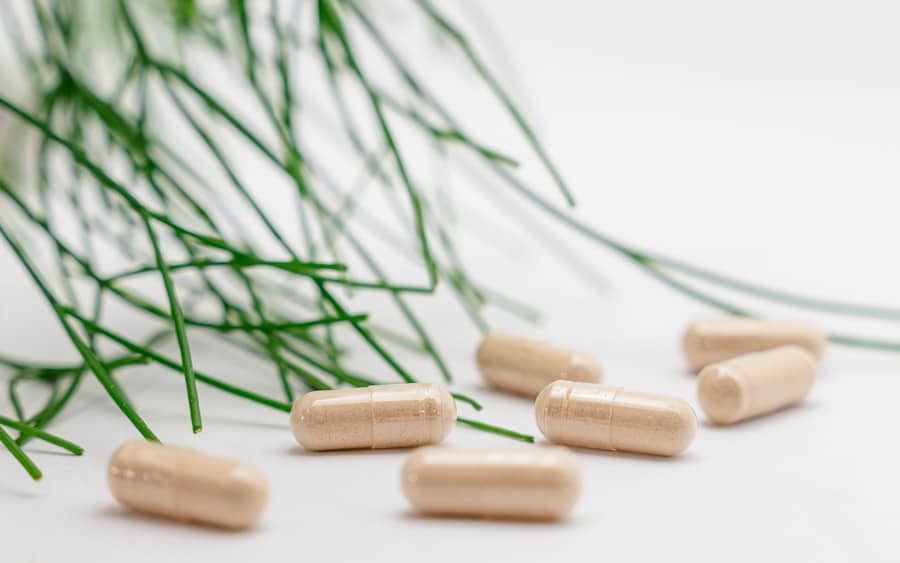
Glutathione plays a significant role in modulating the inflammatory response in your body. When inflammation occurs, your immune system releases various signaling molecules called cytokines. While some cytokines promote healing, others can exacerbate inflammation if not properly regulated.
Glutathione helps to balance these cytokines, ensuring that your body responds appropriately to injury or infection without spiraling into chronic inflammation. Moreover, glutathione’s antioxidant properties help neutralize free radicals that contribute to oxidative stress—a condition that can further fuel inflammation. By reducing oxidative stress, glutathione aids in lowering the levels of pro-inflammatory cytokines in your body.
This dual action not only helps to alleviate existing inflammation but also prevents future inflammatory responses from becoming chronic. By incorporating strategies to boost your glutathione levels, you may find yourself better equipped to manage inflammation effectively.
The Link Between Glutathione and Oxidative Stress
Oxidative stress occurs when there is an imbalance between free radicals and antioxidants in your body. Free radicals are unstable molecules that can damage cells, proteins, and DNA, leading to various health issues. Glutathione acts as a critical line of defense against oxidative stress by neutralizing these harmful free radicals.
When your glutathione levels are sufficient, you are better protected against the damaging effects of oxidative stress. The relationship between glutathione and oxidative stress is particularly important when considering chronic diseases linked to inflammation. Conditions such as cardiovascular disease, diabetes, and neurodegenerative disorders have all been associated with elevated oxidative stress levels.
By maintaining adequate glutathione levels, you can help mitigate the effects of oxidative stress and reduce the risk of developing these chronic conditions. This understanding underscores the importance of supporting your body’s natural antioxidant systems for long-term health.
Ways to Increase Glutathione Levels in the Body
There are several effective strategies you can employ to boost your glutathione levels naturally. One of the most straightforward methods is through dietary choices. Foods rich in sulfur-containing amino acids—such as garlic, onions, cruciferous vegetables (like broccoli and Brussels sprouts), and legumes—can enhance your body’s production of glutathione.
Incorporating these foods into your meals can be a delicious way to support your health. In addition to dietary changes, regular exercise has been shown to increase glutathione levels in the body. Engaging in physical activity stimulates the production of this vital antioxidant while also reducing oxidative stress.
You might consider incorporating activities like walking, swimming, or strength training into your routine for both physical fitness and enhanced glutathione levels. Furthermore, certain supplements—such as N-acetylcysteine (NAC) or alpha-lipoic acid—can also support glutathione production and help maintain its levels in your body.
The Benefits of Using Glutathione for Inflammation

The Role of Glutathione in Detoxification
Glutathione’s role in detoxification cannot be overstated. By assisting your liver in eliminating toxins from the body, it helps create an environment less conducive to inflammation. This detoxifying effect can lead to improved energy levels and overall vitality.
A Multifaceted Approach to Managing Inflammation
As you consider ways to manage inflammation in your life, incorporating glutathione may provide a multifaceted approach that addresses both symptoms and underlying causes.
Potential Risks and Side Effects of Glutathione Supplementation
While glutathione supplementation can offer numerous benefits, it is essential to approach it with caution. Some individuals may experience side effects such as gastrointestinal discomfort or allergic reactions when taking glutathione supplements. Additionally, the long-term effects of high-dose supplementation are not yet fully understood; therefore, it is advisable to consult with a healthcare professional before starting any new supplement regimen.
Another consideration is that excessive supplementation may lead to imbalances in other antioxidants within your body. Your body naturally regulates its antioxidant levels; introducing high doses of one specific antioxidant could disrupt this balance. It’s crucial to remember that while supplements can be beneficial, they should complement a well-rounded diet rich in whole foods rather than replace it.
Incorporating Glutathione into a Healthy Lifestyle
Incorporating glutathione into your daily routine can be an empowering step toward achieving better health and managing inflammation effectively. Start by focusing on a balanced diet rich in fruits and vegetables that support your body’s natural production of this vital antioxidant. You might also consider engaging in regular physical activity that not only boosts glutathione levels but also enhances your overall well-being.
Additionally, mindfulness practices such as yoga or meditation can help reduce stress—one of the significant contributors to inflammation and oxidative stress. By adopting a holistic approach that includes dietary changes, exercise, and stress management techniques, you can create an environment within your body that supports optimal glutathione levels and promotes long-term health. In conclusion, understanding the role of glutathione in reducing inflammation and combating oxidative stress is essential for maintaining good health.
By taking proactive steps to increase your glutathione levels through diet and lifestyle changes, you can significantly improve your body’s ability to manage inflammation effectively while enhancing overall vitality.
Glutathione is a powerful antioxidant that plays a crucial role in reducing inflammation in the body. In addition to its anti-inflammatory properties, glutathione also helps in detoxifying the body and boosting the immune system. If you are interested in learning more about the importance of nutrition in maintaining overall health and well-being, check out this informative article on the difference between nutrition and nutrition. Understanding the role of nutrition in our health can help us make informed choices about our diet and lifestyle.
FAQs
What is glutathione?
Glutathione is a powerful antioxidant that is naturally produced in the body. It plays a crucial role in reducing oxidative stress and protecting cells from damage caused by free radicals.
How does glutathione help in reducing inflammation?
Glutathione helps reduce inflammation by neutralizing free radicals and reducing oxidative stress in the body. It also helps regulate the immune response and can modulate the production of inflammatory cytokines.
What are the sources of glutathione?
Glutathione can be found in certain foods such as fruits, vegetables, and meats. However, the body can also produce its own glutathione when the necessary precursors such as cysteine, glutamine, and glycine are available.
Can glutathione supplements help in reducing inflammation?
Some studies have shown that glutathione supplements can help reduce inflammation in certain conditions. However, more research is needed to fully understand the effectiveness of glutathione supplementation in reducing inflammation.
Are there any risks or side effects associated with glutathione supplementation?
Glutathione supplementation is generally considered safe for most people. However, some individuals may experience side effects such as abdominal cramps, bloating, or allergic reactions. It is important to consult with a healthcare professional before starting any new supplement regimen.