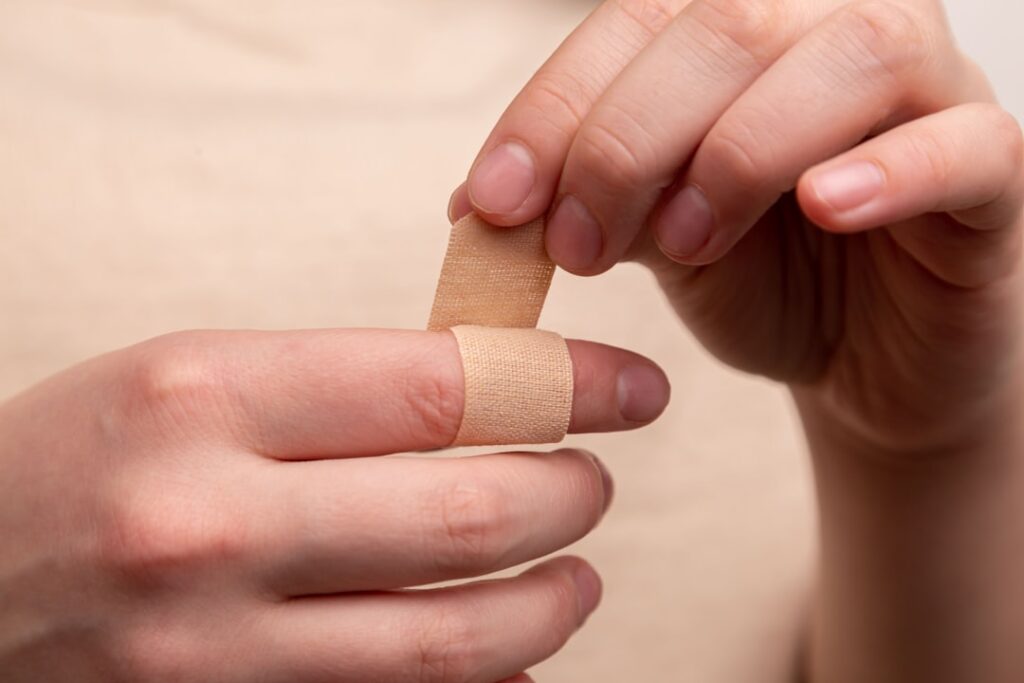
Wound healing is a complex biological process that your body undertakes to repair damaged tissue. It involves a series of stages, including hemostasis, inflammation, proliferation, and remodeling. Each phase plays a crucial role in ensuring that your body can effectively close wounds and restore skin integrity.
When you sustain an injury, your body immediately begins to respond by forming a clot to stop any bleeding. This initial response is followed by inflammation, where your immune system works to prevent infection and clear away debris. As the healing progresses, new tissue forms, and eventually, the wound undergoes remodeling to strengthen the area.
Understanding the intricacies of wound healing is essential for anyone looking to support their recovery process. Factors such as age, overall health, and the presence of underlying conditions can significantly influence how quickly and effectively your wounds heal. For instance, older adults may experience slower healing due to reduced blood circulation and a decline in skin elasticity.
Additionally, chronic conditions like diabetes can impair your body’s ability to heal, making it vital to adopt strategies that promote optimal recovery.
Key Takeaways
- Wound healing is a complex process involving inflammation, tissue formation, and tissue remodeling.
- Nutrition plays a crucial role in wound healing, with protein, vitamins, and minerals being essential for the process.
- Health supplements can support wound healing by providing additional nutrients and promoting tissue repair.
- Key ingredients to look for in health supplements for wound healing include vitamin C, zinc, and protein.
- When choosing a health supplement for wound healing, consider factors such as the form of the supplement, dosage, and potential interactions with other medications.
Importance of Nutrition in Wound Healing
Nutrition plays a pivotal role in wound healing, as the body requires specific nutrients to facilitate the repair process. When you experience a wound, your metabolic demands increase significantly. This means that your body needs more energy and nutrients than usual to support healing.
Proteins, vitamins, and minerals are particularly important during this time. For example, protein is essential for tissue repair and regeneration, while vitamins A and C are crucial for collagen synthesis and immune function. Incorporating a balanced diet rich in these nutrients can enhance your body’s healing capabilities.
Foods high in protein, such as lean meats, fish, eggs, legumes, and dairy products, should be staples in your diet. Additionally, fruits and vegetables provide vital vitamins and antioxidants that help combat inflammation and promote healing. By prioritizing nutrition during your recovery, you can create an environment that supports faster and more effective wound healing.
Role of Health Supplements in Wound Healing

While a well-rounded diet is fundamental for wound healing, health supplements can provide additional support when dietary intake may be insufficient. Supplements can help bridge nutritional gaps and ensure that your body receives the necessary nutrients to facilitate recovery. For instance, if you find it challenging to consume enough protein through food alone, protein powders or amino acid supplements can be beneficial.
Moreover, certain supplements are specifically formulated to enhance wound healing. These may include combinations of vitamins, minerals, and herbal extracts known for their healing properties. By incorporating these supplements into your routine, you can potentially accelerate the healing process and improve overall outcomes.
However, it’s essential to approach supplementation thoughtfully and with an understanding of how these products can complement your diet.
Key Ingredients to Look for in Health Supplements for Wound Healing
When selecting health supplements to aid in wound healing, it’s crucial to look for specific ingredients that have been shown to support the healing process. One of the most important components is protein, as it provides the building blocks necessary for tissue repair. Look for supplements that contain high-quality protein sources or amino acids that are essential for recovery.
In addition to protein, vitamins such as vitamin C and vitamin A are vital for collagen synthesis and immune function. Zinc is another key mineral that plays a significant role in wound healing by promoting cell division and reducing inflammation. Omega-3 fatty acids can also be beneficial due to their anti-inflammatory properties.
When browsing health supplements, check the labels for these ingredients to ensure you’re choosing products that will effectively support your healing journey.
Choosing the Right Health Supplement for Wound Healing
Choosing the right health supplement for wound healing requires careful consideration of your individual needs and circumstances. Start by assessing your current diet and identifying any nutritional deficiencies that may hinder your recovery. If you’re unsure about what you might be lacking, consider consulting with a healthcare professional or a registered dietitian who can provide personalized recommendations.
Once you have a clearer understanding of your nutritional needs, research various supplements available on the market. Look for reputable brands that prioritize quality and transparency in their formulations. Reading customer reviews and checking for third-party testing can also help you make informed decisions about which products are most likely to be effective for you.
Remember that not all supplements are created equal; therefore, it’s essential to choose those that align with your specific healing goals.
How to Incorporate Health Supplements into Your Wound Healing Routine

Creating a Reminder System
You might find it helpful to set reminders on your phone or keep the supplements in a visible location as a prompt. This will help you stay on track and remember to take your supplements at the same time every day.
Optimizing Absorption
Additionally, consider pairing your supplements with meals to enhance absorption and minimize any potential gastrointestinal discomfort. For example, taking fat-soluble vitamins like A and D with meals containing healthy fats can improve their bioavailability.
Monitoring Progress and Making Adjustments
As you integrate these supplements into your routine, monitor how you feel and any changes in your healing progress. Keeping a journal can help you track your experiences and make adjustments as needed.
Potential Risks and Side Effects of Health Supplements for Wound Healing
While health supplements can offer significant benefits for wound healing, it’s essential to be aware of potential risks and side effects associated with their use. Some individuals may experience adverse reactions or interactions with medications they are currently taking. For instance, excessive intake of certain vitamins or minerals can lead to toxicity or imbalances in the body.
Therefore, it’s crucial to adhere to recommended dosages and consult with a healthcare professional before starting any new supplement regimen. Additionally, not all supplements are suitable for everyone. Factors such as age, existing health conditions, and allergies should be taken into account when selecting products.
If you have any concerns about how a particular supplement may affect you or if you experience any unusual symptoms after starting a new supplement, it’s important to seek medical advice promptly.
Consulting a Healthcare Professional for Wound Healing and Health Supplement Advice
Consulting a healthcare professional is an essential step in optimizing your wound healing process through nutrition and supplementation. A doctor or registered dietitian can provide valuable insights tailored to your specific situation, helping you navigate the complexities of wound care effectively. They can assess your overall health status, identify any underlying issues that may impede healing, and recommend appropriate dietary changes or supplements based on your individual needs.
Moreover, healthcare professionals can guide you on safe supplement use and monitor your progress throughout the healing process. They can help you determine if any adjustments are necessary based on how well you respond to treatment or if new concerns arise during recovery. By collaborating with a knowledgeable expert, you can enhance your chances of achieving optimal healing outcomes while minimizing risks associated with self-supplementation.
In conclusion, understanding wound healing is crucial for anyone looking to support their recovery effectively. Nutrition plays a vital role in this process, with health supplements serving as valuable tools when dietary intake falls short. By choosing the right ingredients and consulting with healthcare professionals, you can create a comprehensive approach that promotes faster healing while minimizing potential risks associated with supplementation.
Remember that every individual’s journey is unique; therefore, staying informed and proactive about your health will empower you on the path to recovery.
If you are interested in learning more about the importance of nutrition in wound healing, you may want to check out this article on what is nutrition in simple words. Understanding the role that proper nutrition plays in the healing process can help you make informed decisions about which health supplements to incorporate into your diet. Additionally, this article on supplements for cognitive health and focus may provide valuable information on how certain supplements can support overall health and well-being.
FAQs
What is a health supplement for wound healing?
A health supplement for wound healing is a product that contains vitamins, minerals, and other nutrients that are believed to support the body’s natural healing process for wounds.
What are the common ingredients in health supplements for wound healing?
Common ingredients in health supplements for wound healing may include vitamin C, vitamin E, zinc, copper, and protein. These nutrients are thought to support collagen production, reduce inflammation, and promote tissue repair.
How do health supplements for wound healing work?
Health supplements for wound healing are believed to work by providing the body with the necessary nutrients to support the healing process. For example, vitamin C is important for collagen synthesis, while zinc is involved in cell proliferation and immune function.
Are health supplements for wound healing effective?
The effectiveness of health supplements for wound healing may vary depending on the individual and the specific supplement. It’s important to consult with a healthcare professional before using any health supplement, especially for wound healing.
Are there any potential side effects of using health supplements for wound healing?
Some health supplements for wound healing may cause side effects, especially if taken in high doses. For example, excessive intake of vitamin E may increase the risk of bleeding, while high doses of zinc can interfere with copper absorption. It’s important to follow the recommended dosage and consult with a healthcare professional.
Can health supplements for wound healing replace medical treatment?
Health supplements for wound healing are not meant to replace medical treatment. They should be used as a complementary approach to support the body’s natural healing process. It’s important to seek medical attention for any serious wounds or injuries.