Cholesterol is a waxy substance that your body needs to build cells and produce certain hormones. However, not all cholesterol is created equal. There are two main types: low-density lipoprotein (LDL), often referred to as “bad” cholesterol, and high-density lipoprotein (HDL), known as “good” cholesterol.
When you have high levels of LDL cholesterol, it can lead to plaque buildup in your arteries, increasing the risk of heart disease and stroke. On the other hand, HDL cholesterol helps remove LDL cholesterol from your bloodstream, acting as a protective factor against cardiovascular issues. Understanding your cholesterol levels is crucial for maintaining overall health.
Regular check-ups can help you monitor these levels and take necessary actions if they are out of balance. You might be surprised to learn that factors such as diet, exercise, and even genetics can significantly influence your cholesterol levels. By being proactive about your health and understanding the role cholesterol plays, you can make informed decisions that contribute to a healthier lifestyle.
Key Takeaways
- Cholesterol is a waxy substance found in the blood and can impact heart health if levels are too high.
- Health supplements can play a role in lowering cholesterol, but should not replace a healthy diet and lifestyle.
- Key ingredients to look for in cholesterol-lowering health supplements include plant sterols, soluble fiber, and omega-3 fatty acids.
- When choosing a health supplement for lowering cholesterol, it’s important to consider the quality, dosage, and potential interactions with other medications.
- Incorporating health supplements into a healthy lifestyle for lowering cholesterol should be done in conjunction with regular exercise and a balanced diet rich in fruits, vegetables, and whole grains.
The Role of Health Supplements in Lowering Cholesterol
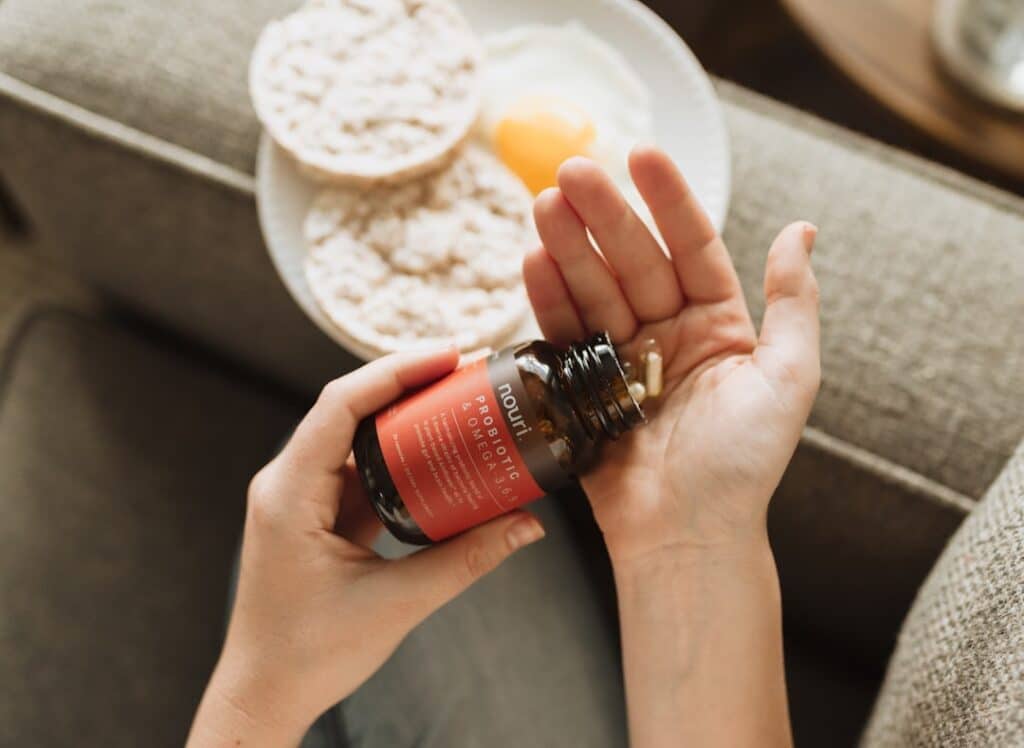
Health supplements can play a significant role in managing cholesterol levels, especially when combined with a balanced diet and regular exercise. Many people find it challenging to obtain all the necessary nutrients solely through food, which is where supplements come into play. They can provide essential vitamins, minerals, and other compounds that may help lower LDL cholesterol and raise HDL cholesterol.
For instance, certain plant sterols and omega-3 fatty acids have been shown to have beneficial effects on cholesterol levels. Incorporating health supplements into your routine can be a convenient way to support your heart health. However, it’s essential to remember that supplements should not replace a healthy diet or lifestyle.
Instead, they should complement your efforts to maintain optimal cholesterol levels. By understanding how these supplements work and their potential benefits, you can make informed choices that align with your health goals.
Key Ingredients to Look for in Cholesterol-Lowering Health Supplements

When searching for health supplements aimed at lowering cholesterol, it’s essential to know which ingredients are most effective. One of the most well-researched components is plant sterols or stanols, which can help block the absorption of cholesterol in the intestines. Another key ingredient is omega-3 fatty acids, commonly found in fish oil, which can help reduce triglycerides and improve overall heart health.
Soluble fiber, such as psyllium husk or oat bran, is also beneficial as it binds to cholesterol in the digestive system and helps eliminate it from the body. Additionally, you might want to consider supplements containing niacin, which can help raise HDL cholesterol levels while lowering LDL cholesterol. Red yeast rice is another ingredient that has gained popularity for its natural statin-like properties, potentially lowering cholesterol levels effectively.
By familiarizing yourself with these key ingredients, you can make more informed decisions when selecting a supplement that aligns with your health objectives.
How to Choose the Right Health Supplement for Lowering Cholesterol
Choosing the right health supplement for lowering cholesterol can feel overwhelming given the plethora of options available on the market. Start by looking for products that have been tested for quality and efficacy. Third-party certifications can provide assurance that the supplement contains what it claims and is free from harmful contaminants.
Reading customer reviews and seeking recommendations from trusted sources can also guide you in making an informed choice. It’s also important to consider your specific health needs and any existing medical conditions you may have. Some supplements may interact with medications or may not be suitable for everyone.
Therefore, taking the time to research and compare different products will help you find one that fits seamlessly into your lifestyle while effectively addressing your cholesterol concerns.
Incorporating Health Supplements into a Healthy Lifestyle for Lowering Cholesterol
Incorporating health supplements into your daily routine should be part of a broader strategy for lowering cholesterol. A balanced diet rich in fruits, vegetables, whole grains, and healthy fats is essential for maintaining optimal heart health. You might find it helpful to create a meal plan that emphasizes these food groups while allowing room for occasional treats.
This way, you can enjoy a variety of flavors while still prioritizing your health. Regular physical activity is another crucial component of a healthy lifestyle. Aim for at least 150 minutes of moderate aerobic exercise each week, such as brisk walking or cycling.
Combining exercise with your chosen supplements can enhance their effectiveness in managing cholesterol levels. Additionally, consider stress management techniques like yoga or meditation, as stress can negatively impact heart health. By integrating these elements into your life alongside health supplements, you can create a comprehensive approach to lowering cholesterol.
Potential Risks and Side Effects of Health Supplements for Lowering Cholesterol

While health supplements can offer benefits for lowering cholesterol, it’s essential to be aware of potential risks and side effects. Some individuals may experience gastrointestinal issues such as bloating or diarrhea when taking certain supplements, particularly those high in fiber or omega-3 fatty acids. Additionally, some ingredients may interact with medications you are currently taking, leading to unintended consequences.
It’s crucial to read labels carefully and follow recommended dosages to minimize risks. If you experience any adverse effects after starting a new supplement, consider discontinuing use and consulting with a healthcare professional. Being informed about potential side effects will empower you to make safer choices regarding your health.
The Importance of Consulting with a Healthcare Professional before Starting a Health Supplement for Lowering Cholesterol
Before embarking on any new supplement regimen aimed at lowering cholesterol, consulting with a healthcare professional is vital. They can provide personalized advice based on your medical history, current medications, and specific health needs. A healthcare provider can also help you understand how supplements may fit into your overall treatment plan for managing cholesterol levels.
Moreover, they can guide you on appropriate dosages and potential interactions with other medications or conditions you may have. This step ensures that you are making informed decisions that prioritize your safety and well-being while working towards better heart health.
Other Lifestyle Changes to Consider for Lowering Cholesterol
In addition to incorporating health supplements into your routine, there are several lifestyle changes you can make to further lower cholesterol levels. One of the most effective strategies is adopting a heart-healthy diet that emphasizes whole foods while minimizing processed foods high in saturated fats and sugars. Focus on incorporating more fruits, vegetables, whole grains, lean proteins, and healthy fats into your meals.
Quitting smoking and limiting alcohol consumption are also crucial steps in improving heart health. Smoking has been shown to lower HDL cholesterol levels while increasing the risk of heart disease. Reducing alcohol intake can help maintain healthy blood pressure levels and support overall cardiovascular health.
By making these lifestyle changes alongside using health supplements, you can create a comprehensive approach to managing your cholesterol effectively. In conclusion, understanding cholesterol’s impact on health is essential for making informed decisions about your well-being. Health supplements can play a supportive role in lowering cholesterol when combined with a healthy lifestyle.
By knowing what ingredients to look for and how to choose the right products, you can take proactive steps toward better heart health. Always consult with a healthcare professional before starting any new supplement regimen and consider additional lifestyle changes that can further enhance your efforts in managing cholesterol levels effectively.
If you are interested in health supplements for lowering cholesterol, you may also want to check out this article on