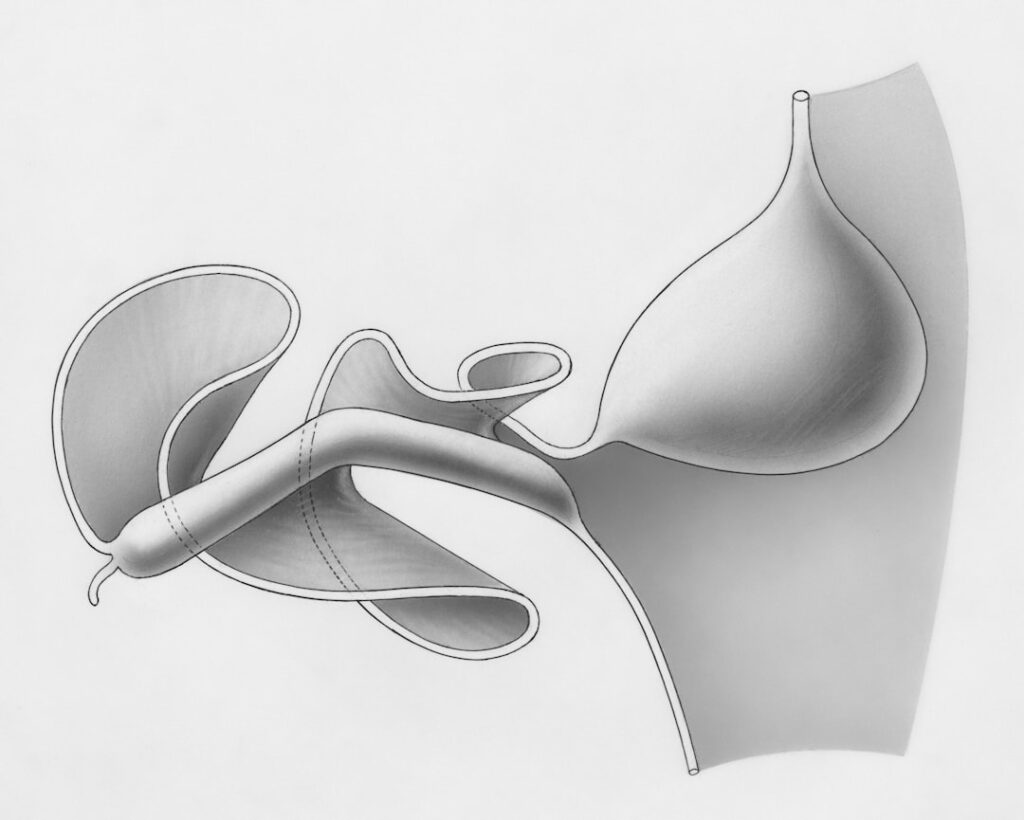
Gastroesophageal reflux disease, commonly known as GERD, is a chronic digestive condition that affects millions of people worldwide. It occurs when stomach acid frequently flows back into the esophagus, the tube that connects your mouth to your stomach. This backflow, or reflux, can irritate the lining of your esophagus, leading to discomfort and a range of other symptoms.
While occasional acid reflux is common and often manageable, GERD is characterized by more severe and persistent symptoms that can significantly impact your quality of life. Understanding GERD is crucial for effective management. The condition can manifest in various ways, and its severity can vary from person to person.
You may experience heartburn, regurgitation, or even difficulty swallowing. If left untreated, GERD can lead to more serious complications, such as esophagitis, Barrett’s esophagus, or even esophageal cancer. Therefore, recognizing the signs and symptoms early on is essential for seeking appropriate treatment and making lifestyle adjustments.
Key Takeaways
- GERD stands for Gastroesophageal Reflux Disease, a chronic condition where stomach acid flows back into the esophagus, causing discomfort and potential damage.
- Symptoms of GERD include heartburn, regurgitation, chest pain, difficulty swallowing, and chronic cough.
- Causes of GERD can include obesity, hiatal hernia, pregnancy, smoking, and certain medications.
- Conventional treatments for GERD include lifestyle changes, over-the-counter medications, prescription medications, and in severe cases, surgery.
- Health supplements can play a role in managing GERD by providing relief from symptoms and supporting overall digestive health.
Symptoms of GERD
Heartburn: A Common Symptom
One of the most common symptoms you may experience is heartburn, which is characterized by a burning sensation in your chest that often occurs after eating or when lying down. This sensation can be alarming and may lead you to believe you are experiencing a heart-related issue.
Differentiating Between Heartburn and Heart Problems
However, it is essential to differentiate between heartburn and actual heart problems, as the two can sometimes present similarly. In addition to heartburn, you might also notice regurgitation, where stomach contents flow back into your mouth or throat. This can leave a sour or bitter taste and may be accompanied by a feeling of nausea.
Other Symptoms and When to Seek Help
Other symptoms include difficulty swallowing, chronic cough, hoarseness, and even asthma-like symptoms. If you find yourself experiencing these symptoms frequently—more than twice a week—it may be time to consult a healthcare professional for further evaluation and management options.
Causes of GERD
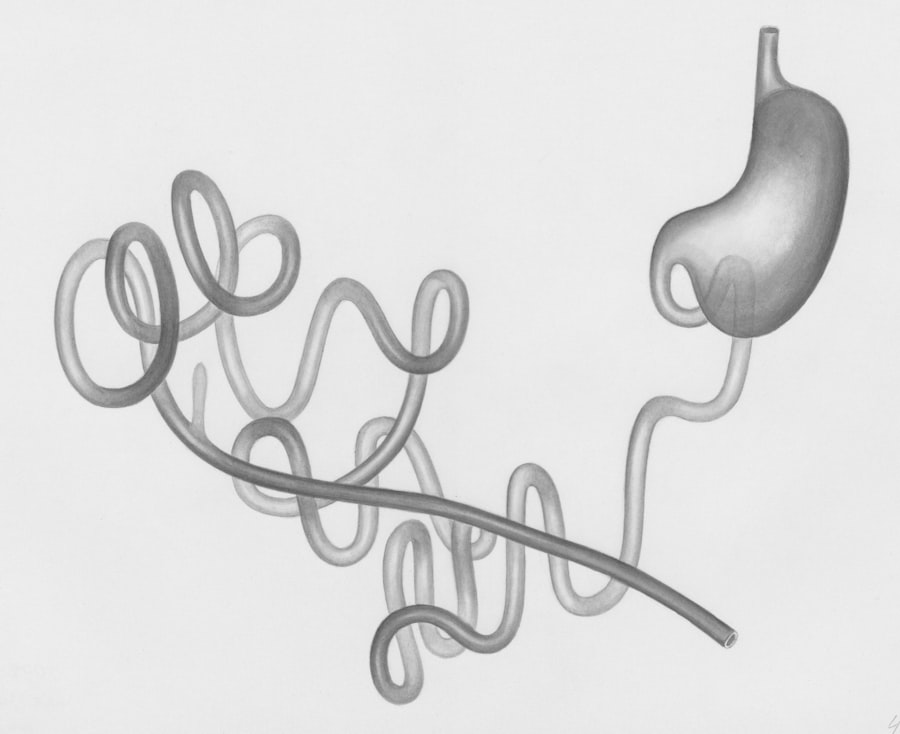
Several factors contribute to the development of GERD, and understanding these causes can help you identify potential triggers in your own life. One primary cause is a weakened lower esophageal sphincter (LES), the muscle that acts as a valve between the esophagus and stomach. When this muscle relaxes inappropriately or weakens over time, it allows stomach acid to flow back into the esophagus, leading to the symptoms associated with GERD.
Lifestyle choices also play a significant role in the onset of GERD. For instance, obesity is a major risk factor; excess weight can put pressure on your abdomen, pushing stomach contents upward. Additionally, certain foods and beverages—such as spicy foods, citrus fruits, chocolate, caffeine, and alcohol—can trigger reflux episodes.
Smoking is another contributing factor that can weaken the LES and exacerbate symptoms. By identifying these causes in your own life, you can take proactive steps to reduce your risk of developing GERD or manage its symptoms more effectively.
Conventional treatments for GERD
When it comes to treating GERD, conventional medicine offers several options that can help alleviate symptoms and improve your quality of life. Over-the-counter antacids are often the first line of defense; they work by neutralizing stomach acid and providing quick relief from heartburn. However, if you find that antacids are not sufficient for managing your symptoms, your healthcare provider may recommend stronger medications such as H2 blockers or proton pump inhibitors (PPIs).
These medications reduce the production of stomach acid and can provide longer-lasting relief. In more severe cases of GERD, lifestyle modifications may be recommended alongside medication. This could include dietary changes, weight loss if you’re overweight, and avoiding triggers such as smoking or excessive alcohol consumption.
In some instances, surgical options may be considered if other treatments fail to provide relief. Procedures like fundoplication aim to strengthen the LES and prevent acid reflux effectively. Understanding these conventional treatments can empower you to make informed decisions about your health and work collaboratively with your healthcare provider.
The role of health supplements in managing GERD
While conventional treatments are effective for many individuals suffering from GERD, some people seek alternative approaches to complement their management plan. Health supplements can play a supportive role in alleviating symptoms and promoting digestive health. These supplements may include natural ingredients that have been shown to soothe the digestive tract or reduce inflammation associated with acid reflux.
Incorporating health supplements into your routine can provide additional benefits beyond what conventional treatments offer. For instance, certain supplements may help strengthen the mucosal lining of the esophagus or improve overall gut health. However, it’s essential to approach supplementation with caution and consult with a healthcare professional before adding any new products to your regimen.
This ensures that you choose safe options that won’t interfere with any medications you may be taking.
Key nutrients and herbs for GERD
Nutrients for Relaxation and Gut Health
One such nutrient is magnesium, which plays a vital role in muscle function and may help relax the Lower Esophageal Sphincter (LES). Additionally, probiotics are beneficial bacteria that support gut health; they can aid digestion and potentially reduce the frequency of reflux episodes.
Soothing Herbs for Irritated Tissues
Herbs like slippery elm and marshmallow root have been traditionally used to soothe irritated tissues in the digestive tract. These herbs create a protective barrier that may help reduce inflammation and discomfort associated with GERD.
Additional Options for Symptom Relief
Aloe vera juice is another option that some individuals find helpful; it has soothing properties that may alleviate irritation in the esophagus.
A Comprehensive Approach to Managing GERD Symptoms
By exploring these nutrients and herbs, you can create a more comprehensive approach to managing your GERD symptoms.
Choosing the right health supplement for GERD
Selecting the right health supplement for managing GERD requires careful consideration of various factors. First and foremost, it’s essential to consult with a healthcare professional who understands your specific health needs and can guide you toward safe options. They can help you identify any potential interactions with medications you may be taking or underlying health conditions that could affect your choice of supplements.
When evaluating different supplements, look for high-quality products from reputable brands that undergo third-party testing for purity and potency. Reading labels carefully is crucial; ensure that the ingredients align with your goals for managing GERD. Additionally, consider starting with one supplement at a time to monitor how your body responds before introducing others into your routine.
This approach allows you to identify which products are most effective for you without overwhelming your system.
Tips for incorporating health supplements into your GERD management plan
Incorporating health supplements into your GERD management plan can be a straightforward process if approached thoughtfully. Start by establishing a consistent routine; taking supplements at the same time each day can help you remember to include them in your regimen. Pairing supplements with meals may also enhance their effectiveness while minimizing any potential gastrointestinal discomfort.
It’s important to maintain open communication with your healthcare provider throughout this process. Regular check-ins allow you to discuss any changes in symptoms or side effects you may experience from the supplements. Additionally, keeping a journal to track your symptoms alongside supplement intake can provide valuable insights into what works best for you over time.
In conclusion, managing GERD involves a multifaceted approach that includes understanding the condition itself, recognizing its symptoms and causes, exploring conventional treatments, and considering the role of health supplements. By being proactive about your health and making informed choices regarding supplementation, you can take significant steps toward alleviating your symptoms and improving your overall quality of life. Remember that every individual’s experience with GERD is unique; what works for one person may not work for another.
Therefore, patience and persistence are key as you navigate this journey toward better digestive health.
If you are looking for more information on the importance of nutrition for overall health, check out this article on 3 Reasons Why Nutrition is Important. This article delves into the key role that nutrition plays in maintaining a healthy lifestyle and preventing various health conditions, including GERD. By understanding the importance of nutrition, you can make informed choices about the health supplements you take to manage GERD symptoms effectively.
FAQs
What is GERD?
GERD stands for Gastroesophageal Reflux Disease, which is a chronic condition where stomach acid flows back into the esophagus, causing irritation and inflammation.
What are the symptoms of GERD?
Common symptoms of GERD include heartburn, regurgitation of food or sour liquid, difficulty swallowing, chest pain, and a chronic cough.
What are health supplements for GERD?
Health supplements for GERD are products that can help manage the symptoms of the condition, such as probiotics, digestive enzymes, melatonin, and deglycyrrhizinated licorice (DGL).
How do health supplements help with GERD?
Health supplements for GERD can help by promoting a healthy digestive system, reducing inflammation, and providing relief from symptoms such as heartburn and acid reflux.
Are health supplements a substitute for medication for GERD?
Health supplements can be used as a complementary approach to traditional medication for GERD, but they should not be used as a substitute without consulting a healthcare professional.
Are there any risks or side effects associated with health supplements for GERD?
Some health supplements for GERD may have potential side effects or interactions with other medications, so it’s important to consult a healthcare professional before starting any new supplement regimen.