
Gastritis is a condition characterized by the inflammation of the stomach lining. This inflammation can occur suddenly, known as acute gastritis, or develop gradually over time, referred to as chronic gastritis. You may experience this condition due to various factors, including infections, excessive alcohol consumption, or prolonged use of certain medications like nonsteroidal anti-inflammatory drugs (NSAIDs).
The stomach lining plays a crucial role in protecting your stomach from the harsh acids it produces for digestion, and when this lining becomes inflamed, it can lead to discomfort and other digestive issues. Understanding gastritis is essential for recognizing its potential impact on your overall health. The inflammation can disrupt the normal functioning of your digestive system, leading to complications if left untreated.
You might find that gastritis affects not only your physical well-being but also your emotional state, as chronic discomfort can lead to anxiety and stress. Therefore, being informed about gastritis is the first step toward managing its symptoms and seeking appropriate treatment.
Key Takeaways
- Gastritis is the inflammation of the stomach lining, which can be caused by various factors such as excessive alcohol consumption, prolonged use of nonsteroidal anti-inflammatory drugs (NSAIDs), or bacterial infections.
- Symptoms of gastritis may include abdominal pain, nausea, vomiting, bloating, loss of appetite, and a feeling of fullness in the upper abdomen.
- Common causes of gastritis include bacterial infections (H. pylori), excessive alcohol consumption, prolonged use of NSAIDs, stress, and autoimmune disorders.
- Traditional treatment for gastritis often involves the use of antacids, proton pump inhibitors, and antibiotics to eradicate H. pylori infection.
- Health supplements such as probiotics, deglycyrrhizinated licorice (DGL), and zinc carnosine can help alleviate symptoms and promote healing of the stomach lining in gastritis.
Symptoms of Gastritis
Uncomfortable Symptoms
These symptoms can be quite uncomfortable and may prompt you to seek medical advice. In severe cases, gastritis can lead to complications such as stomach bleeding, which may cause black or tarry stools or vomiting blood. If you experience these alarming symptoms, it is crucial to seek immediate medical attention.
Recognizing the Signs
Recognizing the signs of gastritis early on can help you manage the condition more effectively and prevent further complications from arising. Early detection can make a significant difference in the treatment and outcome of the condition.
Seeking Medical Attention
If you experience any symptoms of gastritis, do not hesitate to seek medical attention. A healthcare professional can provide a proper diagnosis and recommend appropriate treatment to alleviate your symptoms and prevent complications.
Causes of Gastritis

There are several potential causes of gastritis that you should be aware of. One of the most common culprits is an infection caused by the bacterium Helicobacter pylori (H. pylori). This bacterium can disrupt the protective lining of your stomach, leading to inflammation and discomfort. Additionally, excessive alcohol consumption can irritate the stomach lining, making it more susceptible to inflammation. If you frequently indulge in alcoholic beverages, you may want to consider moderating your intake to protect your digestive health. Another significant cause of gastritis is the prolonged use of NSAIDs, which are commonly used for pain relief. These medications can erode the stomach lining over time, leading to inflammation and discomfort. Stress is also a contributing factor; when you experience high levels of stress, your body may produce excess stomach acid, which can irritate the stomach lining. Understanding these causes can empower you to make lifestyle changes that may help prevent gastritis from developing or worsening.
Traditional Treatment for Gastritis
When it comes to treating gastritis, traditional medical approaches often focus on alleviating symptoms and addressing the underlying causes. Your healthcare provider may recommend medications such as antacids or proton pump inhibitors (PPIs) to reduce stomach acid production and relieve discomfort. These medications can help create a more favorable environment in your stomach, allowing the inflamed lining to heal over time.
In addition to medication, dietary changes are often recommended as part of a comprehensive treatment plan for gastritis. You may be advised to avoid spicy foods, acidic foods, and caffeine, as these can exacerbate symptoms. Instead, incorporating bland foods such as rice, bananas, and toast into your diet may help soothe your stomach.
It’s essential to work closely with your healthcare provider to develop a personalized treatment plan that addresses your specific needs and concerns.
Health Supplements for Gastritis
In addition to traditional treatments, many individuals seek out health supplements to support their digestive health and alleviate symptoms associated with gastritis. These supplements can play a complementary role in your overall treatment plan by providing essential nutrients that promote healing and reduce inflammation. However, it’s important to approach the use of supplements with caution and consult with a healthcare professional before adding them to your regimen.
Health supplements can vary widely in their formulations and intended benefits. Some may focus on providing antioxidants that help combat oxidative stress in the body, while others may contain ingredients specifically designed to soothe the digestive tract. By exploring these options, you may find that certain supplements can enhance your overall well-being and support your journey toward recovery from gastritis.
Types of Health Supplements for Gastritis
Probiotics for a Healthy Gut
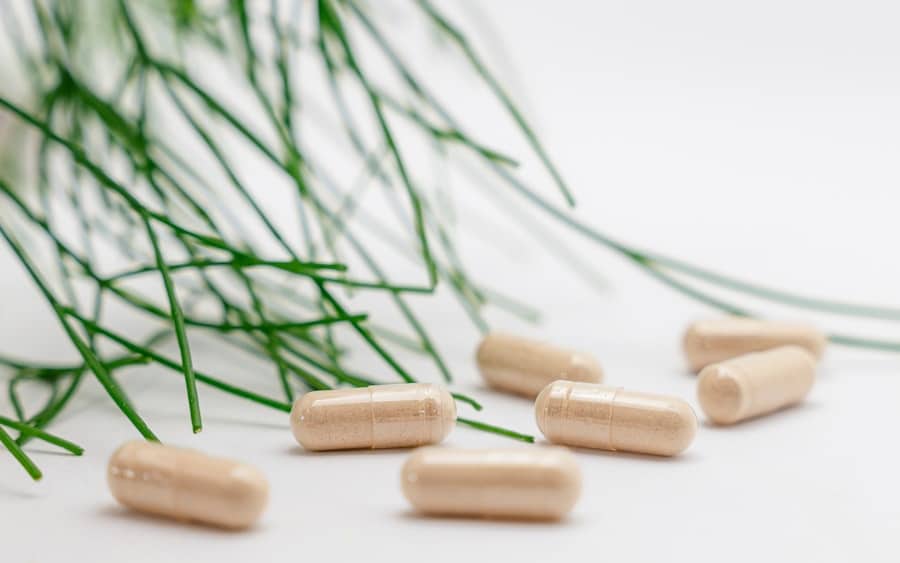
If you’re dealing with gastritis, there are several types of health supplements that you might consider. Probiotics are among the most popular options; these beneficial bacteria can help restore balance to your gut microbiome and improve digestion. By promoting a healthy gut environment, probiotics may aid in reducing inflammation and supporting the healing process of the stomach lining.
L-Glutamine for Gut Health
Another type of supplement you might explore is L-glutamine, an amino acid that plays a vital role in maintaining the integrity of the intestinal lining. L-glutamine has been shown to support gut health by promoting cell regeneration and reducing inflammation.
Herbal Supplements for Soothing Effects
Additionally, herbal supplements such as slippery elm or marshmallow root may provide soothing effects on the digestive tract due to their mucilage content, which can help coat and protect the stomach lining.
How Health Supplements Can Help with Gastritis
Health supplements can offer several benefits for individuals dealing with gastritis. By incorporating specific supplements into your routine, you may experience reduced inflammation in the stomach lining, leading to decreased discomfort and improved digestion. For instance, probiotics can help restore balance in your gut microbiome, which is essential for optimal digestive function.
A healthy gut environment can also enhance nutrient absorption and support overall immune function. Moreover, certain supplements may provide additional support by promoting healing within the gastrointestinal tract. L-glutamine, for example, has been shown to aid in repairing damaged intestinal cells and reducing permeability in the gut lining.
This can be particularly beneficial for individuals with gastritis who may experience increased sensitivity in their digestive system. By addressing both inflammation and healing, health supplements can play a valuable role in your journey toward recovery.
Precautions and Considerations for Using Health Supplements for Gastritis
While health supplements can offer potential benefits for managing gastritis, it’s essential to approach their use with caution. Before starting any new supplement regimen, you should consult with a healthcare professional who understands your medical history and current condition. Some supplements may interact with medications you are currently taking or may not be suitable for individuals with specific health concerns.
Additionally, it’s important to choose high-quality supplements from reputable manufacturers to ensure safety and efficacy. Not all supplements are created equal; some may contain fillers or additives that could exacerbate your symptoms rather than alleviate them. By being mindful of these considerations and working closely with a healthcare provider, you can make informed decisions about incorporating health supplements into your treatment plan for gastritis.
In conclusion, understanding gastritis—its symptoms, causes, traditional treatments, and potential benefits of health supplements—can empower you to take control of your digestive health. By being proactive in managing this condition and seeking appropriate support from healthcare professionals and quality supplements, you can work toward achieving relief from symptoms and improving your overall well-being.
If you are considering using health supplements for gastritis, it is important to be aware of potential risks and interactions with medications. A related article on this topic can be found at Choosing and Using Supplements: Potential Risks and Interactions with Medications. This article provides valuable information on how to safely incorporate supplements into your treatment plan for gastritis. It is crucial to understand what your body needs to be healthy and to be aware of potential side effects and precautions when using health supplements. For more information on this topic, you can also read the articles What Body Needs to Be Healthy and Potential Side Effects and Precautions.
FAQs
What is gastritis?
Gastritis is a condition that involves inflammation of the stomach lining. It can be caused by a variety of factors, including excessive alcohol consumption, prolonged use of nonsteroidal anti-inflammatory drugs (NSAIDs), bacterial infections (such as H. pylori), and stress.
What are the symptoms of gastritis?
The symptoms of gastritis can vary, but common symptoms include abdominal pain, nausea, vomiting, indigestion, bloating, and a feeling of fullness in the upper abdomen. In some cases, gastritis can also cause bleeding in the stomach lining, leading to bloody vomit or stools.
What are health supplements for gastritis?
Health supplements for gastritis are products that contain vitamins, minerals, herbs, or other natural ingredients that are believed to support digestive health and reduce inflammation in the stomach lining. These supplements may include ingredients such as probiotics, zinc, vitamin B12, and deglycyrrhizinated licorice (DGL).
How do health supplements help with gastritis?
Health supplements for gastritis are designed to support the body’s natural healing processes and promote a healthy stomach lining. For example, probiotics can help restore the balance of beneficial bacteria in the gut, while DGL may help soothe and protect the stomach lining from irritation.
Are health supplements a substitute for medical treatment for gastritis?
Health supplements for gastritis should not be used as a substitute for medical treatment. It is important to consult with a healthcare professional to determine the underlying cause of gastritis and to receive appropriate medical treatment. Health supplements can be used as a complementary approach to support overall digestive health, but they should not replace prescribed medications or other treatments for gastritis.
Are there any potential risks or side effects of using health supplements for gastritis?
While many health supplements for gastritis are generally considered safe when used as directed, it is important to be aware of potential risks and side effects. Some supplements may interact with medications or exacerbate certain health conditions. It is important to consult with a healthcare professional before starting any new health supplement, especially if you have existing health concerns or are taking medications.