
Fatty liver disease, also known as hepatic steatosis, is a condition characterized by the accumulation of excess fat in liver cells. This condition can arise from various factors, including obesity, excessive alcohol consumption, and certain medications. You may find it surprising that fatty liver disease can affect individuals who do not consume alcohol, leading to a classification known as non-alcoholic fatty liver disease (NAFLD).
This condition is becoming increasingly prevalent, particularly in developed countries, where lifestyle choices contribute significantly to its rise. Understanding the underlying mechanisms of fatty liver disease is crucial for managing and potentially reversing its effects. As you delve deeper into the subject, you may discover that fatty liver disease can progress to more severe conditions, such as non-alcoholic steatohepatitis (NASH), which involves inflammation and can lead to fibrosis or cirrhosis.
The liver plays a vital role in your body’s metabolism, detoxification, and nutrient storage. When fat accumulates in the liver, it can disrupt these essential functions, leading to a range of health issues. Recognizing the symptoms, which may include fatigue, abdominal discomfort, and unexplained weight loss, is essential for early intervention.
By understanding fatty liver disease, you empower yourself to take proactive steps toward better health.
Key Takeaways
- Fatty liver disease is a condition characterized by the accumulation of fat in the liver, which can lead to inflammation and liver damage.
- A healthy diet and lifestyle, including regular exercise and avoiding excessive alcohol consumption, are crucial for managing fatty liver disease.
- Health supplements can play a supportive role in managing fatty liver, but should not be used as a substitute for a healthy diet and lifestyle.
- When choosing a health supplement for fatty liver, look for key ingredients such as milk thistle, turmeric, and vitamin E, which have been shown to support liver health.
- It is important to consult with a healthcare professional before starting any health supplement regimen, as they can provide guidance on dosage and safety considerations tailored to individual health needs.
Importance of a Healthy Diet and Lifestyle
Adopting a healthy diet and lifestyle is paramount in managing and preventing fatty liver disease. You may already be aware that what you eat significantly impacts your overall health, but it becomes even more critical when dealing with liver health. A balanced diet rich in whole foods—such as fruits, vegetables, whole grains, lean proteins, and healthy fats—can help reduce fat accumulation in the liver.
By focusing on nutrient-dense foods, you not only support your liver but also enhance your overall well-being. In addition to dietary changes, incorporating regular physical activity into your routine can have profound effects on your liver health. Engaging in exercise helps improve insulin sensitivity and promotes weight loss, both of which are essential for managing fatty liver disease.
You might consider activities that you enjoy, whether it’s walking, swimming, or dancing, as this will make it easier to stick with a consistent exercise regimen. Remember that small changes can lead to significant improvements over time; even short bouts of activity can contribute to better liver health.
Role of Health Supplements in Managing Fatty Liver

While dietary and lifestyle changes are foundational in managing fatty liver disease, health supplements can play a supportive role in your journey toward better liver health. These supplements are designed to provide additional nutrients that may be lacking in your diet or to enhance the body’s natural processes for detoxification and fat metabolism. You might find that certain supplements can help reduce inflammation in the liver or improve its overall function.
It’s important to note that health supplements should not be viewed as a replacement for a healthy diet or lifestyle but rather as an adjunct to these essential components. When used appropriately, they can complement your efforts and provide an extra layer of support for your liver. As you explore various options, you may come across ingredients that have been studied for their potential benefits in managing fatty liver disease.
Understanding how these supplements work can help you make informed decisions about incorporating them into your routine.
Key Ingredients to Look for in a Health Supplement for Fatty Liver
When selecting a health supplement for fatty liver management, it’s crucial to look for specific ingredients that have shown promise in research studies. One such ingredient is milk thistle, which contains silymarin—a compound known for its antioxidant properties. Silymarin may help protect liver cells from damage and promote regeneration.
You might also consider supplements containing omega-3 fatty acids, which have been linked to reduced liver fat and improved lipid profiles. Another ingredient worth exploring is N-acetylcysteine (NAC), an amino acid that supports detoxification processes in the liver. NAC has been studied for its potential to reduce oxidative stress and inflammation associated with fatty liver disease.
Additionally, vitamin E has garnered attention for its antioxidant effects and potential benefits in individuals with NASH. As you evaluate different supplements, pay close attention to the ingredient list and look for those backed by scientific research.
Dosage and Safety Considerations
Understanding the appropriate dosage and safety considerations for health supplements is essential for maximizing their benefits while minimizing potential risks. Each supplement may have different recommended dosages based on its formulation and intended use. It’s crucial to follow the manufacturer’s guidelines or consult with a healthcare professional to determine the right dosage for your specific needs.
Safety is another critical aspect to consider when incorporating supplements into your routine. While many supplements are generally considered safe when taken as directed, some may interact with medications or have contraindications based on individual health conditions. You should always read labels carefully and be aware of any potential side effects associated with the ingredients in your chosen supplement.
By prioritizing safety and adhering to recommended dosages, you can enhance your experience with health supplements while supporting your liver health effectively.
Potential Benefits of Health Supplements for Fatty Liver
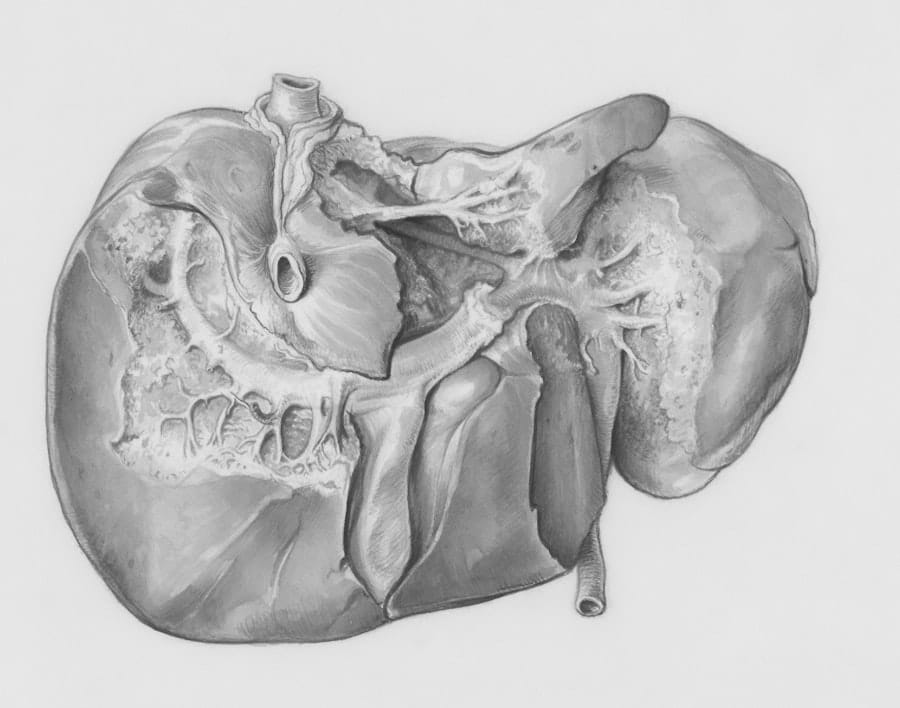
The potential benefits of health supplements for managing fatty liver disease are numerous and varied. One of the primary advantages is their ability to support liver function by providing essential nutrients that may be lacking in your diet. For instance, antioxidants found in certain supplements can help combat oxidative stress, which is often elevated in individuals with fatty liver disease.
By reducing oxidative damage, these supplements may contribute to improved liver health over time. Moreover, some studies suggest that specific supplements can aid in weight management—a crucial factor in managing fatty liver disease. By promoting fat metabolism and reducing inflammation, these supplements may help you achieve a healthier weight more effectively.
Additionally, certain ingredients may enhance insulin sensitivity, further supporting metabolic health. As you explore the potential benefits of health supplements, keep in mind that they work best when combined with a healthy diet and lifestyle changes.
Tips for Choosing the Right Health Supplement
Choosing the right health supplement for fatty liver management can feel overwhelming given the plethora of options available on the market today. To simplify this process, start by researching reputable brands known for their quality and transparency. Look for products that undergo third-party testing to ensure their potency and purity.
This step can provide peace of mind that you are investing in a supplement that meets high standards. Additionally, consider your specific health needs and goals when selecting a supplement. Are you looking for something to support detoxification?
Or perhaps you want to focus on reducing inflammation? Tailoring your choice to your individual circumstances will enhance the likelihood of achieving desired results. Reading customer reviews and seeking recommendations from trusted sources can also guide you toward effective products that align with your objectives.
Consultation with a Healthcare Professional
Before embarking on any new supplement regimen, it’s wise to consult with a healthcare professional who understands your unique health situation. A doctor or registered dietitian can provide personalized advice based on your medical history and current medications. They can help you determine whether specific supplements are appropriate for you and guide you on dosages that align with your overall treatment plan.
Moreover, discussing your dietary habits and lifestyle choices with a healthcare professional can lead to more comprehensive strategies for managing fatty liver disease. They may recommend additional lifestyle modifications or alternative therapies that could complement your supplement use effectively. By collaborating with a healthcare provider, you empower yourself with knowledge and support as you navigate your journey toward better liver health.
In conclusion, understanding fatty liver disease is the first step toward effective management and prevention. By prioritizing a healthy diet and lifestyle while considering the role of health supplements, you can take proactive measures to support your liver health. Remember to look for key ingredients in supplements, adhere to safety guidelines regarding dosage, and consult with healthcare professionals as needed.
With informed choices and a commitment to wellness, you can work toward achieving optimal liver function and overall well-being.
If you are interested in learning more about health nutrition supplements, you may want to check out this article on what are health nutrition supplements. This article provides valuable information on the benefits of incorporating supplements into your diet and how they can support overall health. Additionally, if you are looking for a simple explanation of nutrition, you can read this article on what is nutrition in simple words. Understanding the basics of nutrition is essential when considering which supplements to take for specific health concerns, such as fatty liver. It is important to consider various factors before taking supplements, as discussed in this article on factors to consider before taking supplements. This article highlights the importance of consulting with a healthcare professional and doing thorough research before adding supplements to your routine.
FAQs
What is a fatty liver?
A fatty liver, also known as hepatic steatosis, is a condition where there is an accumulation of fat in the liver cells. This can be caused by various factors such as obesity, high alcohol consumption, diabetes, and high levels of triglycerides in the blood.
What are the symptoms of fatty liver disease?
Fatty liver disease is often asymptomatic, but some people may experience fatigue, weakness, and discomfort in the upper right abdomen. In more severe cases, it can lead to liver inflammation and scarring, known as nonalcoholic steatohepatitis (NASH), which can cause symptoms such as jaundice, abdominal swelling, and confusion.
How can health supplements help with fatty liver?
Health supplements for fatty liver often contain ingredients such as milk thistle, N-acetylcysteine, and vitamin E, which have been shown to have potential benefits for liver health. These supplements may help reduce inflammation, oxidative stress, and fat accumulation in the liver.
Are health supplements a substitute for medical treatment for fatty liver?
Health supplements should not be used as a substitute for medical treatment for fatty liver. It is important to consult with a healthcare professional for proper diagnosis and treatment. Health supplements can be used as a complementary approach to a healthy diet and lifestyle changes recommended by a healthcare provider.
Are there any risks or side effects associated with health supplements for fatty liver?
Some health supplements may have potential risks and side effects, especially if taken in high doses or in combination with other medications. It is important to consult with a healthcare professional before starting any health supplement, especially if you have a pre-existing medical condition or are taking other medications.


