
Ulcers are open sores that can develop on the lining of various organs in your body, most commonly in the stomach or the upper part of the small intestine. These painful lesions can arise due to a variety of factors, including excessive stomach acid, bacterial infections, and the prolonged use of certain medications, particularly nonsteroidal anti-inflammatory drugs (NSAIDs). When the protective mucosal layer of your stomach or intestines is compromised, the underlying tissues become exposed to digestive acids, leading to inflammation and ulceration.
Understanding the underlying causes of ulcers is crucial for effective treatment and prevention. The development of ulcers can often be traced back to an imbalance between the aggressive factors that damage the mucosal lining and the protective mechanisms that safeguard it. For instance, Helicobacter pylori, a type of bacteria that thrives in acidic environments, is a common culprit in ulcer formation.
Stress and lifestyle choices, such as smoking and excessive alcohol consumption, can exacerbate this condition by increasing acid production or impairing the healing process. Recognizing these contributing factors can empower you to take proactive steps toward healing and prevention.
Key Takeaways
- Ulcers are open sores that develop on the lining of the stomach, small intestine, or esophagus, often caused by bacteria, excessive acid production, or prolonged use of nonsteroidal anti-inflammatory drugs (NSAIDs).
- Health supplements can play a supportive role in healing ulcers by promoting a healthy digestive environment, reducing inflammation, and supporting tissue repair.
- Essential health supplements for healing ulcers include probiotics, deglycyrrhizinated licorice (DGL), zinc carnosine, glutamine, and slippery elm.
- It is important to follow the recommended dosage and administration guidelines for health supplements for ulcer healing to avoid potential adverse effects and maximize their benefits.
- While health supplements can be beneficial, there are potential risks and side effects to consider, such as allergic reactions, interactions with medications, and gastrointestinal upset.
- Lifestyle changes such as stress management, dietary modifications, and avoiding irritants like alcohol and tobacco can support ulcer healing in conjunction with health supplements.
- Combining conventional treatment, such as prescription medications, with health supplements for ulcer healing should be done under the guidance of a healthcare provider to ensure safety and effectiveness.
- It is important to consult a healthcare provider before starting any health supplements for ulcer healing, especially if you have underlying health conditions or are pregnant or breastfeeding.
The Role of Health Supplements in Healing Ulcers: How can they help?
Health supplements can play a significant role in the healing process of ulcers by providing essential nutrients that support tissue repair and reduce inflammation. Many supplements contain compounds that have been shown to promote gut health, enhance immune function, and even combat the bacteria responsible for ulcer formation. By incorporating these supplements into your regimen, you may find that your body is better equipped to heal itself and restore balance to your digestive system.
Moreover, certain health supplements can help alleviate symptoms associated with ulcers, such as pain and discomfort. For instance, supplements containing probiotics can help restore the natural balance of gut flora, which may be disrupted by antibiotic treatments or poor dietary choices. By improving gut health, these supplements can aid in reducing inflammation and promoting faster healing of the ulcerated tissue.
Additionally, some supplements may provide a protective barrier in the stomach lining, further supporting your body’s natural healing processes.
Essential Health Supplements for Healing Ulcers: A comprehensive guide
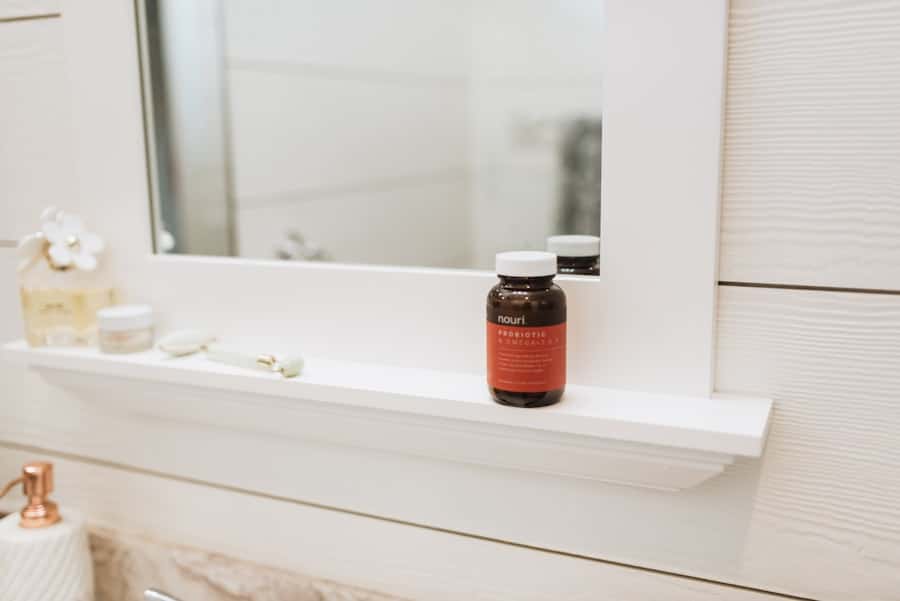
When it comes to selecting health supplements for ulcer healing, several options stand out for their effectiveness and safety. One of the most well-known supplements is deglycyrrhizinated licorice (DGL), which has been shown to promote mucosal healing and protect against further irritation from stomach acid. DGL works by stimulating mucus production in the stomach lining, creating a protective barrier that can help soothe existing ulcers.
Another important supplement is zinc carnosine, a combination of zinc and the peptide carnosine. This duo has been found to support gut health by promoting cell regeneration and enhancing the integrity of the intestinal lining. Zinc is essential for immune function and tissue repair, while carnosine has antioxidant properties that can help reduce oxidative stress in the gut.
Together, they create a powerful supplement for those looking to heal ulcers effectively. Additionally, you might consider incorporating L-glutamine into your supplement regimen. This amino acid plays a vital role in maintaining the integrity of the intestinal lining and has been shown to promote healing in cases of gastrointestinal distress.
By providing your body with adequate levels of L-glutamine, you may enhance your ability to recover from ulcers more quickly.
Dosage and Administration of Health Supplements for Ulcer Healing
| Supplement | Dosage | Administration |
|---|---|---|
| Probiotics | 1-10 billion CFUs | Take with food |
| L-Glutamine | 5-10 grams | Divided doses throughout the day |
| Omega-3 Fatty Acids | 1000-2000 mg | Take with meals |
| Zinc Carnosine | 75 mg | Take on an empty stomach |
When it comes to dosage and administration of health supplements for ulcer healing, it’s essential to follow recommended guidelines to ensure safety and effectiveness. For instance, DGL is typically taken in chewable form before meals to maximize its protective effects on the stomach lining. The usual dosage ranges from 300 to 1,000 mg per day, divided into several doses.
However, it’s crucial to consult with a healthcare provider before starting any new supplement regimen. Zinc carnosine is often recommended at a dosage of 75 mg per day, taken in divided doses with meals. This allows for optimal absorption and utilization by your body.
L-glutamine is generally taken at a dosage of 5 to 10 grams per day, mixed with water or juice. It’s best to take L-glutamine on an empty stomach for maximum absorption. Always remember that individual needs may vary based on factors such as age, weight, and overall health status.
Potential Risks and Side Effects of Health Supplements for Ulcer Healing
While health supplements can offer significant benefits for ulcer healing, it’s important to be aware of potential risks and side effects associated with their use. For example, excessive intake of zinc can lead to nausea, vomiting, and even copper deficiency if taken in high doses over an extended period. Therefore, it’s crucial to adhere to recommended dosages and consult with a healthcare professional if you have any concerns.
Similarly, while DGL is generally considered safe for most individuals, some people may experience mild gastrointestinal discomfort or allergic reactions. If you notice any adverse effects after starting a new supplement, it’s wise to discontinue use and seek guidance from a healthcare provider. Being informed about potential side effects will help you make better decisions regarding your health and ensure that your approach to ulcer healing is both safe and effective.
Lifestyle Changes to Support Ulcer Healing: Beyond health supplements

In addition to incorporating health supplements into your routine, making lifestyle changes can significantly enhance your ulcer healing journey. One of the most impactful changes you can make is adopting a balanced diet rich in whole foods. Focus on consuming plenty of fruits, vegetables, whole grains, lean proteins, and healthy fats.
These foods provide essential nutrients that support overall health and promote healing. Moreover, reducing stress through mindfulness practices such as meditation or yoga can also be beneficial for ulcer healing. Stress has been shown to exacerbate ulcer symptoms by increasing stomach acid production and impairing the body’s ability to heal.
By incorporating relaxation techniques into your daily routine, you may find that you not only improve your mental well-being but also support your body’s natural healing processes.
Combining Conventional Treatment with Health Supplements for Ulcer Healing
Combining conventional treatments with health supplements can create a comprehensive approach to ulcer healing. Conventional treatments often include medications such as proton pump inhibitors (PPIs) or antibiotics aimed at reducing stomach acid production or eradicating H. pylori infections. While these medications are effective in managing symptoms and promoting healing, adding health supplements can enhance their effects and support overall gut health. For instance, taking DGL alongside PPIs may provide additional protection for the stomach lining while reducing symptoms associated with ulcers. Similarly, using zinc carnosine in conjunction with antibiotic therapy can help mitigate potential side effects while promoting faster recovery. Always discuss any combination of treatments with your healthcare provider to ensure safety and effectiveness.
Seeking Professional Advice: When and how to consult a healthcare provider
If you suspect you have an ulcer or are experiencing persistent gastrointestinal symptoms such as abdominal pain or bloating, it’s essential to seek professional advice promptly. A healthcare provider can perform necessary tests to diagnose your condition accurately and recommend appropriate treatment options tailored to your needs. When consulting a healthcare provider about ulcers or health supplements, be prepared to discuss your symptoms, medical history, and any supplements you are currently taking or considering.
This information will help them provide personalized recommendations that align with your overall health goals. Remember that while self-care strategies are valuable, professional guidance is crucial for effective management and recovery from ulcers.
If you are interested in learning more about expert opinions and recommendations for health supplements, you may want to check out this article here. Additionally, if you are looking for the best supplement for overall health, you can find more information in this article here. For detailed information on common supplement ingredients, you can refer to this article here. These resources can provide valuable insights into the world of health supplements and help you make informed decisions about your health.
FAQs
What are ulcers?
Ulcers are open sores that can develop on the lining of the stomach, small intestine, or esophagus. They can be caused by a variety of factors, including infection with the bacterium H. pylori, long-term use of nonsteroidal anti-inflammatory drugs (NSAIDs), excessive alcohol consumption, and smoking.
What are the symptoms of ulcers?
Common symptoms of ulcers include burning stomach pain, bloating, heartburn, nausea, and vomiting. In some cases, ulcers can also cause bleeding, which can lead to anemia and fatigue.
How can health supplements help with ulcers?
Health supplements for ulcers can help support the body’s natural healing processes and promote a healthy digestive system. They may contain ingredients such as probiotics, zinc, vitamin C, and deglycyrrhizinated licorice (DGL), which have been shown to have potential benefits for ulcer management.
Are health supplements a substitute for medical treatment for ulcers?
Health supplements should not be used as a substitute for medical treatment for ulcers. It is important to consult with a healthcare professional for proper diagnosis and treatment of ulcers. Health supplements can be used as a complementary approach to traditional medical treatment, but should not replace it.
Are there any risks or side effects associated with health supplements for ulcers?
Some health supplements for ulcers may have potential side effects or interactions with medications. It is important to consult with a healthcare professional before starting any new health supplement, especially if you have a pre-existing medical condition or are taking other medications.