Glutathione, a powerful antioxidant found in every cell of your body, has gained significant attention in recent years for its potential role in skin lightening. As you navigate the world of skincare, you may have come across this term frequently, especially in discussions surrounding skin tone enhancement and overall skin health. Glutathione is composed of three amino acids: cysteine, glutamine, and glycine.
This unique composition allows it to perform various functions, including detoxification, immune support, and cellular repair. However, its most intriguing application lies in its ability to influence skin pigmentation. The quest for lighter skin has been a cultural phenomenon in many societies, often driven by beauty standards and societal perceptions.
As you explore options for achieving a more radiant complexion, glutathione emerges as a natural alternative to traditional skin lightening agents. Unlike harsh chemicals that can cause irritation or long-term damage, glutathione offers a gentler approach to achieving a brighter skin tone. Understanding how glutathione works and its benefits can empower you to make informed decisions about your skincare routine.
Key Takeaways
- Glutathione is a powerful antioxidant that is commonly used for skin lightening and brightening.
- Glutathione works by inhibiting the production of melanin, the pigment responsible for skin color, leading to a lighter complexion.
- The benefits of glutathione for skin include reducing hyperpigmentation, evening out skin tone, and improving overall skin health.
- Glutathione is available in various forms for skin lightening, including oral supplements, topical creams, and intravenous injections.
- While glutathione is generally considered safe, potential risks and side effects may include allergic reactions, skin rashes, and gastrointestinal issues.
How Glutathione Works in Skin Lightening
When you consider the mechanisms behind glutathione’s skin lightening properties, it becomes clear that its effectiveness is rooted in its ability to inhibit melanin production. Melanin is the pigment responsible for the color of your skin, hair, and eyes. By reducing the activity of the enzyme tyrosinase, which plays a crucial role in melanin synthesis, glutathione can help lighten hyperpigmentation and even out skin tone.
This process is particularly beneficial for those dealing with dark spots, sun damage, or post-inflammatory hyperpigmentation. In addition to its inhibitory effects on melanin production, glutathione also promotes the conversion of eumelanin (the darker form of melanin) to pheomelanin (the lighter form). This transformation not only contributes to a lighter complexion but also enhances your skin’s overall radiance.
As you incorporate glutathione into your skincare regimen, you may notice a gradual improvement in your skin tone, leading to a more luminous appearance over time.
Benefits of Glutathione for Skin

The benefits of glutathione extend beyond mere skin lightening; it offers a plethora of advantages that can enhance your overall skin health. One of the most notable benefits is its potent antioxidant properties. By neutralizing free radicals and reducing oxidative stress, glutathione helps protect your skin from environmental damage caused by pollution, UV radiation, and other harmful factors.
This protective effect can lead to a more youthful appearance and a reduction in the visible signs of aging. Moreover, glutathione aids in detoxification processes within your body. By supporting liver function and promoting the elimination of toxins, it contributes to clearer skin and a healthier complexion.
When your body is free from harmful substances, it reflects positively on your skin. Additionally, glutathione has anti-inflammatory properties that can help soothe irritated skin and reduce redness, making it an excellent choice for those with sensitive or acne-prone skin.
Different Forms of Glutathione for Skin Lightening
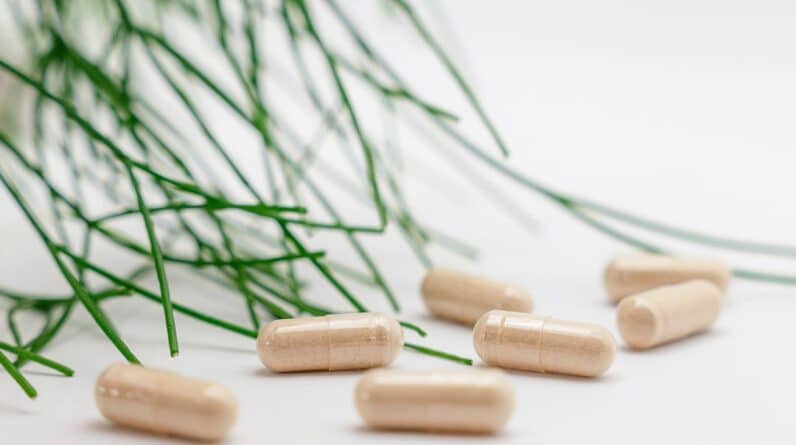
As you explore the various forms of glutathione available for skin lightening, you’ll find that it comes in several delivery methods. One popular option is oral supplementation, where you can take glutathione capsules or tablets. This method allows for systemic absorption, potentially benefiting your entire body while also promoting skin health.
However, it’s essential to note that the effectiveness of oral glutathione can vary based on individual metabolism and absorption rates. Topical applications are another effective way to harness the power of glutathione for your skincare routine. Creams, serums, and lotions infused with glutathione can be applied directly to your skin, targeting specific areas of concern such as dark spots or uneven tone.
These products often combine glutathione with other beneficial ingredients like vitamin C or hyaluronic acid to enhance their efficacy. Additionally, intravenous (IV) administration of glutathione has gained popularity in some wellness circles, offering rapid results for those seeking immediate improvements in their skin tone.
Potential Risks and Side Effects of Glutathione
While glutathione is generally considered safe for most individuals when used appropriately, it’s essential to be aware of potential risks and side effects associated with its use. Some people may experience mild reactions such as skin irritation or allergic responses when using topical products containing glutathione. It’s always advisable to perform a patch test before incorporating new products into your routine to ensure compatibility with your skin type.
In rare cases, excessive use of glutathione supplements or injections may lead to more severe side effects. These can include gastrointestinal disturbances, respiratory issues, or even an imbalance in your body’s natural antioxidant levels. As with any supplement or skincare ingredient, moderation is key.
Consulting with a healthcare professional before starting any new regimen can help you navigate potential risks and ensure that you’re making safe choices for your skin.
The Role of Glutathione in Skin Health
The Anti-Aging Effects of Glutathione
Its antioxidant properties help combat the effects of aging by reducing the appearance of fine lines and wrinkles. By promoting collagen production and improving skin elasticity, glutathione contributes to a firmer and more youthful complexion.
Preserving Skin Vitality and Promoting Wound Healing
As you age, maintaining healthy levels of glutathione becomes increasingly important for preserving your skin’s vitality. Furthermore, glutathione supports wound healing and tissue repair. If you’ve experienced acne scars or other blemishes on your skin, incorporating glutathione into your routine may aid in the healing process.
Reducing Inflammation for Clearer Skin
Its ability to reduce inflammation can also help calm breakouts and promote clearer skin over time. By prioritizing glutathione in your skincare regimen, you’re not only working towards a lighter complexion but also investing in the long-term health and resilience of your skin.
Understanding the Science Behind Glutathione and Skin Lightening
To fully appreciate the science behind glutathione’s role in skin lightening, it’s essential to delve into its biochemical mechanisms. Glutathione exists in two forms: reduced (GSH) and oxidized (GSSG). The reduced form is the active antioxidant that protects cells from oxidative stress while also participating in various enzymatic reactions within the body.
When you introduce glutathione into your skincare routine or supplement regimen, you’re primarily focusing on increasing levels of GSH. Research has shown that elevated levels of GSH can lead to decreased melanin production by inhibiting tyrosinase activity and promoting the conversion of eumelanin to pheomelanin. This scientific understanding underscores why glutathione has become a sought-after ingredient for those looking to achieve a brighter complexion naturally.
As you explore products containing glutathione, consider how these scientific principles translate into real-world benefits for your skin.
The Connection Between Glutathione and Melanin Production
The relationship between glutathione and melanin production is central to understanding how this antioxidant influences skin tone. Melanin is produced by melanocytes in response to various stimuli, including UV exposure and hormonal changes. When you apply or ingest glutathione, it interacts with these melanocytes by modulating their activity.
By inhibiting tyrosinase—the enzyme responsible for catalyzing melanin synthesis—glutathione effectively reduces melanin production. This connection is particularly relevant for individuals dealing with hyperpigmentation issues such as melasma or age spots. By targeting the root cause of excess melanin production, glutathione offers a promising solution for achieving a more even skin tone without resorting to harsh chemicals or invasive procedures.
As you consider incorporating glutathione into your skincare routine, keep in mind its unique ability to address pigmentation concerns at a cellular level.
Factors to Consider Before Using Glutathione for Skin Lightening
Before embarking on your journey with glutathione for skin lightening, there are several factors worth considering. First and foremost is your individual skin type and concerns. While many people experience positive results from using glutathione products, others may find that their skin reacts differently based on its unique characteristics.
Conducting thorough research and consulting with a dermatologist can help you determine whether glutathione is suitable for your specific needs. Additionally, it’s essential to consider the source and quality of the glutathione products you choose. Not all formulations are created equal; some may contain fillers or additives that could diminish their effectiveness or cause adverse reactions.
Opting for reputable brands with transparent ingredient lists can help ensure that you’re investing in high-quality products that deliver on their promises.
Alternative Methods for Skin Lightening
While glutathione presents an appealing option for those seeking lighter skin tones, it’s essential to explore alternative methods as well. Various natural ingredients have been used for centuries in traditional skincare practices to achieve brighter complexions. Ingredients like vitamin C, licorice extract, niacinamide, and kojic acid are known for their skin-lightening properties and can be effective alternatives or complementary treatments alongside glutathione.
Moreover, lifestyle factors play a significant role in maintaining healthy skin tone. Regular sun protection through sunscreen application can prevent further pigmentation issues while promoting an even complexion over time. Additionally, maintaining a balanced diet rich in antioxidants can support your body’s natural detoxification processes and enhance overall skin health.
Conclusion and Final Thoughts on Glutathione and Skin Lightening
In conclusion, glutathione stands out as a multifaceted ingredient with significant potential for those seeking to lighten their skin naturally while promoting overall skin health. Its ability to inhibit melanin production while providing antioxidant protection makes it an attractive option for individuals dealing with hyperpigmentation or uneven skin tone. However, as with any skincare ingredient or supplement, it’s crucial to approach its use thoughtfully and informedly.
As you consider incorporating glutathione into your skincare routine or exploring alternative methods for achieving a brighter complexion, remember that individual results may vary based on factors such as skin type and lifestyle choices. Prioritizing quality products and consulting with professionals can help you navigate this journey effectively. Ultimately, embracing your unique beauty while exploring options like glutathione can lead to healthier and more radiant skin that reflects your inner vitality.
If you are interested in learning more about the benefits of vitamins for skin health, you may want to check out this article on Vitamin A and its impact on skin health. Vitamin A plays a crucial role in maintaining healthy skin and can help improve skin tone and texture. In addition to incorporating glutathione into your skincare routine for skin lightening, ensuring you are getting enough essential vitamins like Vitamin A can also contribute to overall skin health. Remember, taking care of your skin from the inside out is key to achieving a radiant complexion.
FAQs
What is glutathione?
Glutathione is a powerful antioxidant that is naturally produced in the body. It plays a crucial role in protecting cells from oxidative stress and maintaining overall health.
How does glutathione work for skin lightening?
Glutathione is believed to inhibit the production of melanin, the pigment responsible for the color of the skin, hair, and eyes. By reducing melanin production, glutathione may help lighten the skin.
Is glutathione effective for skin lightening?
The effectiveness of glutathione for skin lightening is still a topic of debate. While some studies have shown promising results, more research is needed to fully understand its effects on skin pigmentation.
Are there any side effects of using glutathione for skin lightening?
Some people may experience side effects such as nausea, stomach cramps, and bloating when taking glutathione supplements. It is important to consult a healthcare professional before using glutathione for skin lightening.
What are the different forms of glutathione for skin lightening?
Glutathione for skin lightening is available in various forms, including oral supplements, topical creams, and intravenous injections. Each form may have different absorption rates and potential side effects.
Can glutathione be used safely for skin lightening?
While glutathione is generally considered safe when used in appropriate doses, it is important to use it under the guidance of a healthcare professional. Overuse or misuse of glutathione for skin lightening may lead to adverse effects on health.