
Glutathione is a powerful antioxidant that plays a crucial role in maintaining your overall health. Composed of three amino acids—cysteine, glutamine, and glycine—this tripeptide is found in every cell of your body. It acts as a protector against cellular damage caused by free radicals, which are unstable molecules that can lead to oxidative stress.
By neutralizing these harmful agents, glutathione helps to maintain the integrity of your cells and supports various bodily functions, including detoxification, immune response, and protein synthesis. In addition to its antioxidant properties, glutathione is involved in several metabolic processes. It aids in the synthesis of DNA, the production of proteins, and the regulation of cellular events.
When you experience stress, illness, or exposure to toxins, your body’s demand for glutathione increases. This means that maintaining optimal levels of this vital compound is essential for your well-being. Understanding how glutathione works can empower you to make informed choices about your health and lifestyle.
Key Takeaways
- Glutathione is a powerful antioxidant produced in the body that plays a crucial role in detoxification and immune function.
- Glutathione helps combat oxidative stress and inflammation, which are linked to chronic diseases such as cancer, heart disease, and diabetes.
- Low levels of glutathione have been associated with chronic illnesses, making it important to maintain optimal levels for overall health.
- Boosting glutathione levels can be achieved naturally through a balanced diet, regular exercise, and reducing exposure to toxins.
- While glutathione supplements are available, their use in managing chronic diseases should be approached with caution due to potential side effects and risks.
The Role of Glutathione in Fighting Oxidative Stress and Inflammation
Oxidative stress occurs when there is an imbalance between free radicals and antioxidants in your body. This condition can lead to cellular damage and has been linked to various health issues, including aging and chronic diseases. Glutathione plays a pivotal role in combating oxidative stress by neutralizing free radicals and replenishing other antioxidants, such as vitamins C and E.
By doing so, it helps to protect your cells from damage and supports overall cellular health. Inflammation is another area where glutathione shines. Chronic inflammation can contribute to numerous health problems, including autoimmune diseases and metabolic disorders.
Glutathione helps modulate the inflammatory response by regulating the activity of immune cells and signaling molecules. When your body is under stress or facing an inflammatory response, adequate levels of glutathione can help mitigate the damage and promote healing. By understanding the connection between glutathione, oxidative stress, and inflammation, you can take proactive steps to support your health.
Glutathione’s Impact on Chronic Diseases such as Cancer, Heart Disease, and Diabetes

Research has shown that glutathione plays a significant role in the development and progression of chronic diseases like cancer, heart disease, and diabetes. In cancer, for instance, elevated levels of glutathione can protect cancer cells from oxidative damage, making them more resistant to chemotherapy and radiation treatments. Conversely, low levels of glutathione may increase susceptibility to cancer development due to impaired detoxification processes.
This highlights the importance of maintaining balanced glutathione levels for cancer prevention and treatment. Heart disease is another area where glutathione’s impact is evident. Oxidative stress contributes to the development of atherosclerosis, a condition characterized by the buildup of plaque in the arteries.
Glutathione helps reduce oxidative damage to blood vessels and supports cardiovascular health by improving endothelial function. Similarly, in diabetes, oxidative stress plays a critical role in insulin resistance and complications associated with the disease. By supporting insulin sensitivity and reducing inflammation, glutathione may help manage blood sugar levels and improve overall metabolic health.
The Link Between Glutathione Deficiency and Chronic Illness
A deficiency in glutathione can have far-reaching consequences for your health. Low levels of this vital antioxidant have been associated with an increased risk of chronic illnesses. Factors such as poor diet, environmental toxins, stress, and aging can deplete your body’s glutathione reserves.
When your levels drop below optimal thresholds, your body becomes more vulnerable to oxidative stress and inflammation, setting the stage for chronic diseases. Research indicates that individuals with conditions like Parkinson’s disease, Alzheimer’s disease, and various autoimmune disorders often exhibit lower levels of glutathione. This deficiency may exacerbate symptoms and contribute to disease progression.
By recognizing the link between glutathione deficiency and chronic illness, you can take proactive measures to support your body’s antioxidant defenses and potentially reduce your risk of developing these conditions.
Ways to Boost Glutathione Levels Naturally Through Diet and Lifestyle
Boosting your glutathione levels naturally can be achieved through dietary choices and lifestyle modifications. Foods rich in sulfur-containing amino acids—such as garlic, onions, cruciferous vegetables (like broccoli and Brussels sprouts), and legumes—can enhance your body’s production of glutathione. Additionally, incorporating foods high in vitamin C (such as citrus fruits) and vitamin E (found in nuts and seeds) can help regenerate glutathione levels.
Lifestyle factors also play a significant role in maintaining optimal glutathione levels. Regular physical activity has been shown to increase glutathione production while reducing oxidative stress. Adequate sleep is essential for overall health; poor sleep can lead to increased oxidative damage and lower antioxidant levels.
Furthermore, managing stress through mindfulness practices or relaxation techniques can help preserve your body’s glutathione reserves. By making conscious choices about your diet and lifestyle, you can effectively support your body’s natural ability to produce this vital antioxidant.
The Use of Glutathione Supplements in Managing Chronic Diseases
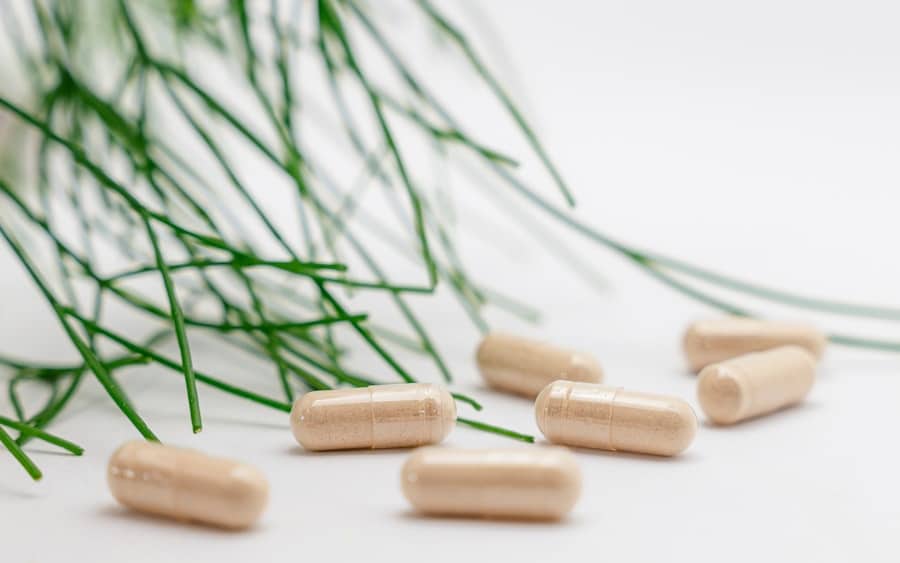
In recent years, glutathione supplementation has gained popularity as a potential strategy for managing chronic diseases. Many people turn to supplements in hopes of boosting their antioxidant levels quickly and effectively. Research suggests that oral supplementation may help increase blood levels of glutathione; however, the effectiveness can vary based on individual absorption rates and the form of the supplement used.
For those dealing with chronic illnesses such as liver disease or neurodegenerative disorders, glutathione supplements may offer additional support alongside traditional treatments. Some studies have indicated that intravenous administration of glutathione can lead to significant improvements in symptoms for certain conditions. However, it’s essential to consult with a healthcare professional before starting any supplementation regimen to ensure it aligns with your specific health needs.
Potential Side Effects and Risks of Glutathione Supplementation
While glutathione supplementation may offer benefits for some individuals, it is not without potential side effects or risks. Some people may experience gastrointestinal discomfort or allergic reactions when taking oral supplements. Additionally, excessive supplementation could lead to imbalances in other antioxidants or interfere with certain medications.
It’s crucial to approach supplementation with caution and under the guidance of a healthcare provider. Moreover, while intravenous glutathione therapy may provide rapid increases in antioxidant levels, it is typically reserved for specific medical conditions due to its invasive nature and potential complications associated with intravenous administration. Understanding these risks allows you to make informed decisions about whether supplementation is appropriate for you.
The Future of Glutathione Research and its Implications for Chronic Disease Management
As research into glutathione continues to evolve, its implications for chronic disease management are becoming increasingly clear. Scientists are exploring new ways to enhance glutathione levels through innovative therapies, including gene therapy and targeted delivery systems that could improve absorption rates. These advancements hold promise for individuals suffering from chronic illnesses who may benefit from increased antioxidant support.
Furthermore, ongoing studies are investigating the role of glutathione in aging and longevity. As our understanding deepens regarding how this powerful antioxidant influences cellular health over time, it may pave the way for new strategies aimed at promoting healthy aging and preventing age-related diseases. By staying informed about the latest research developments surrounding glutathione, you can better understand its potential impact on your health journey.
In conclusion, understanding glutathione’s multifaceted role in your body empowers you to take proactive steps toward better health. From its protective effects against oxidative stress to its implications for chronic disease management, maintaining optimal levels of this vital antioxidant is essential for overall well-being. Whether through dietary choices or supplementation under professional guidance, you have the ability to support your body’s natural defenses against illness and promote a healthier future.
Glutathione is a powerful antioxidant that plays a crucial role in protecting our cells from damage caused by free radicals. In fact, research has shown that glutathione can help prevent chronic diseases such as cancer, heart disease, and Alzheimer’s. If you are interested in learning more about different types of health nutrition supplements available, check out this informative article here. It discusses various supplements that can support overall health and well-being, including the benefits of incorporating glutathione into your daily routine.
FAQs
What is glutathione?
Glutathione is a powerful antioxidant that is naturally produced in the body. It plays a crucial role in protecting cells from oxidative stress and maintaining overall health.
How does glutathione work in the body?
Glutathione works by neutralizing free radicals and preventing damage to cells and tissues. It also supports the immune system and helps the body detoxify harmful substances.
What are the benefits of glutathione?
Glutathione has been linked to a wide range of health benefits, including reducing inflammation, boosting the immune system, improving liver function, and protecting against chronic diseases such as cancer, heart disease, and neurodegenerative disorders.
How can I increase my glutathione levels?
There are several ways to increase glutathione levels in the body, including consuming foods rich in sulfur (such as garlic, onions, and cruciferous vegetables), taking glutathione supplements, and engaging in regular exercise.
Are there any risks associated with glutathione supplementation?
While glutathione supplementation is generally considered safe, some people may experience side effects such as stomach upset or allergic reactions. It is important to consult with a healthcare professional before starting any new supplement regimen.