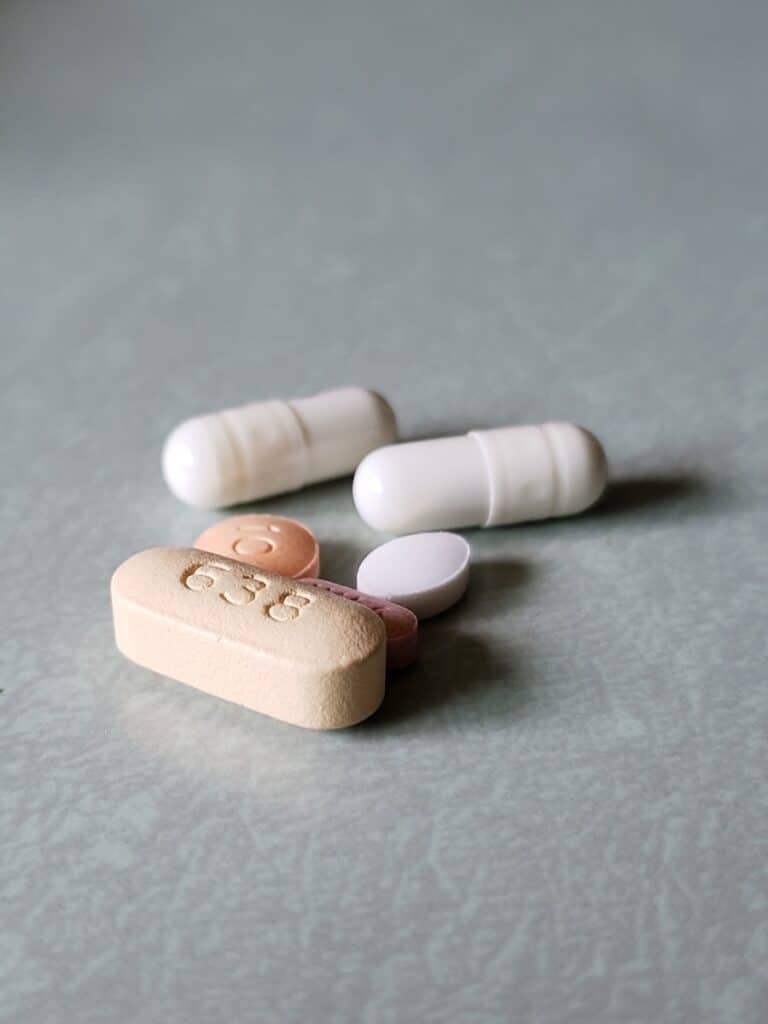
When considering the use of Xarelto, it is essential to weigh both its risks and benefits. Xarelto, or rivaroxaban, is an anticoagulant medication commonly prescribed to prevent blood clots in patients with conditions such as atrial fibrillation or after certain types of surgeries. One of the primary benefits of Xarelto is its ability to reduce the risk of stroke and systemic embolism in patients with non-valvular atrial fibrillation.
By inhibiting Factor Xa, a crucial component in the blood clotting process, Xarelto effectively lowers the likelihood of dangerous clots forming in the bloodstream. However, like any medication, Xarelto comes with its own set of risks. The most significant concern is the increased risk of bleeding, which can be severe and even life-threatening.
Patients taking Xarelto may experience complications such as gastrointestinal bleeding or intracranial hemorrhage. Additionally, because Xarelto does not have a specific antidote, managing bleeding complications can be more challenging compared to other anticoagulants. It is crucial for you to discuss these risks with your healthcare provider to determine if the benefits of taking Xarelto outweigh the potential dangers in your specific situation.
Key Takeaways
- Xarelto has both benefits and risks, including reducing the risk of stroke but also increasing the risk of bleeding.
- Alternative medications for stroke prevention may include aspirin, clopidogrel, or warfarin, each with their own benefits and risks.
- Lifestyle changes such as quitting smoking, managing stress, and maintaining a healthy weight can help prevent strokes.
- Dietary modifications like reducing sodium intake, increasing fiber consumption, and limiting alcohol can contribute to stroke prevention.
- Natural supplements and remedies like fish oil, garlic, and ginkgo biloba may have potential benefits for stroke prevention, but should be used with caution and under medical supervision.
- Regular exercise and physical activity, such as walking, swimming, or yoga, can help lower the risk of stroke.
- Mind-body practices like meditation, tai chi, and yoga can help manage stress and contribute to stroke prevention.
- Consultation with healthcare professionals is crucial for developing an individualized stroke prevention plan, taking into account personal medical history and risk factors.
Exploring Alternative Medications for Stroke Prevention
Warfarin: A Long-Standing Option
Warfarin has been a long-standing option for stroke prevention in patients with atrial fibrillation. While it requires regular monitoring of blood levels and dietary restrictions, it has a well-established safety profile and a reversal agent in case of bleeding emergencies.
Apixaban: A Popular Alternative
Apixaban is similar to Xarelto but may have a lower risk of bleeding complications. Apixaban has gained popularity due to its efficacy and safety profile, making it a viable option for many patients.
Other Alternatives to Consider
Additionally, dabigatran is another direct thrombin inhibitor that can be considered. Each of these alternatives has its own set of benefits and risks, so it is essential for you to have an open dialogue with your healthcare provider about which medication may be the best fit for your individual health circumstances.
Lifestyle Changes for Stroke Prevention

In addition to medication, making lifestyle changes can significantly reduce your risk of stroke. One of the most impactful changes you can make is to quit smoking if you currently smoke. Smoking is a major risk factor for stroke as it contributes to the buildup of plaque in your arteries and increases blood pressure.
By quitting smoking, you not only improve your overall health but also lower your risk of cardiovascular diseases. Another important lifestyle change involves managing your weight. Obesity is linked to various health issues, including hypertension and diabetes, both of which are significant risk factors for stroke.
By adopting a healthier lifestyle that includes regular physical activity and balanced nutrition, you can work towards achieving and maintaining a healthy weight. This proactive approach not only helps in stroke prevention but also enhances your overall quality of life.
Dietary Modifications for Stroke Prevention
Your diet plays a crucial role in stroke prevention, and making specific dietary modifications can have a profound impact on your health. A heart-healthy diet rich in fruits, vegetables, whole grains, and lean proteins can help lower cholesterol levels and reduce blood pressure. Incorporating foods high in omega-3 fatty acids, such as fatty fish like salmon or walnuts, can also promote cardiovascular health by reducing inflammation and improving blood vessel function.
Moreover, reducing your intake of saturated fats, trans fats, and sodium is essential for maintaining healthy blood pressure levels. Processed foods often contain high amounts of these unhealthy components, so focusing on whole foods can be beneficial. You might also consider adopting the DASH (Dietary Approaches to Stop Hypertension) diet or the Mediterranean diet, both of which emphasize nutrient-dense foods that support heart health and reduce stroke risk.
Natural Supplements and Remedies for Stroke Prevention
In addition to dietary changes, certain natural supplements may offer additional support for stroke prevention. Omega-3 fatty acids are not only found in fish but are also available in supplement form. These fatty acids have been shown to reduce inflammation and improve heart health, making them a popular choice for those looking to lower their stroke risk.
Another supplement worth considering is Coenzyme Q10 (CoQ10), which plays a vital role in energy production within cells and has antioxidant properties. Some studies suggest that CoQ10 may help lower blood pressure and improve overall cardiovascular health. However, it is essential to consult with your healthcare provider before starting any new supplements to ensure they are appropriate for your individual health needs.
Exercise and Physical Activity for Stroke Prevention
Aerobic Exercises for Cardiovascular Health
Incorporating strength training exercises into your routine is also beneficial. Building muscle mass can help improve metabolism and support weight management, further reducing your stroke risk.
Strength Training for Metabolism and Weight Management
Additionally, activities that promote flexibility and balance, such as yoga or tai chi, can enhance overall physical fitness and reduce the likelihood of falls or injuries.
Flexibility and Balance Exercises for Overall Fitness
Mind-Body Practices for Stroke Prevention
Mind-body practices can play a significant role in stroke prevention by helping you manage stress and improve mental well-being. Chronic stress is known to contribute to various health issues, including hypertension and heart disease, both of which increase stroke risk. Techniques such as meditation, deep breathing exercises, and mindfulness can help you cultivate a sense of calm and reduce stress levels.
Yoga is another excellent mind-body practice that combines physical movement with breath control and meditation. Regular yoga practice has been shown to lower blood pressure and improve overall cardiovascular health. By incorporating these practices into your daily routine, you can enhance both your physical and mental well-being while actively working towards reducing your stroke risk.
Consultation with Healthcare Professionals for Individualized Stroke Prevention Plan
Finally, it is crucial to consult with healthcare professionals when developing an individualized stroke prevention plan. Your primary care physician or a specialist can provide valuable insights into your specific risk factors and recommend appropriate strategies tailored to your needs. Regular check-ups allow for ongoing monitoring of your health status and adjustments to your prevention plan as necessary.
Additionally, working with a registered dietitian can help you create a personalized nutrition plan that aligns with your health goals. They can provide guidance on meal planning and portion control while ensuring you receive all the essential nutrients needed for optimal health. By collaborating with healthcare professionals, you empower yourself with knowledge and resources that can significantly enhance your efforts in preventing strokes and promoting overall well-being.
If you are looking for alternatives to Xarelto for stroke prevention, you may also be interested in learning about the importance of nutrition in maintaining overall health. According to Health Nutrition Supplements, there are four types of nutrition that are essential for our well-being. Additionally, incorporating supplements like zinc, as discussed in