
Type 2 diabetes is a chronic condition that affects the way your body metabolizes sugar (glucose), which is a crucial source of energy for your cells. When you have type 2 diabetes, your body either becomes resistant to insulin or doesn’t produce enough insulin to maintain normal glucose levels. This can lead to a range of health complications, including heart disease, nerve damage, kidney damage, and vision problems.
Understanding the underlying mechanisms of this condition is essential for managing it effectively and maintaining your overall health. Januvia, known generically as sitagliptin, is one of the medications commonly prescribed to help manage type 2 diabetes. It works by increasing the levels of incretin hormones in your body, which help regulate blood sugar levels by stimulating insulin release and decreasing glucose production in the liver.
By improving your body’s ability to control blood sugar, Januvia can play a significant role in your diabetes management plan. However, it’s important to remember that medication is just one piece of the puzzle; lifestyle choices and other treatments also play a critical role in managing this condition.
Key Takeaways
- Januvia plays a role in managing Type 2 Diabetes by increasing the levels of natural substances called incretins to help control blood sugar levels.
- Lifestyle changes such as regular exercise and a healthy diet can be effective alternatives to Januvia in managing Type 2 Diabetes.
- Other oral medications like Metformin, Sulfonylureas, and DPP-4 inhibitors can also be used to manage Type 2 Diabetes.
- Injectable medications such as insulin and GLP-1 receptor agonists are options for managing Type 2 Diabetes when oral medications are not effective.
- Dietary supplements and herbal remedies like chromium, magnesium, and bitter melon may have potential benefits in managing Type 2 Diabetes, but should be used with caution and under medical supervision.
- Insulin therapy may be necessary for some individuals with Type 2 Diabetes, especially when other medications and lifestyle changes are not effectively managing blood sugar levels.
- Integrative approaches to managing Type 2 Diabetes, including acupuncture, yoga, and stress management techniques, can complement traditional medical treatments.
- Consultation with healthcare providers is essential for exploring alternative treatment options for Type 2 Diabetes, as individual needs and responses to different treatments can vary.
Lifestyle Changes as an Alternative to Januvia
While medications like Januvia can be effective in managing type 2 diabetes, making lifestyle changes can often be just as impactful, if not more so. You might find that adopting a healthier diet, increasing physical activity, and maintaining a healthy weight can significantly improve your blood sugar levels. For instance, focusing on whole foods such as fruits, vegetables, whole grains, and lean proteins can help you manage your weight and improve your overall health.
Reducing your intake of processed foods and sugars can also lead to better blood sugar control. In addition to dietary changes, incorporating regular physical activity into your routine can have profound effects on your diabetes management. Engaging in activities like walking, swimming, or cycling not only helps you maintain a healthy weight but also improves your body’s sensitivity to insulin.
Aim for at least 150 minutes of moderate aerobic exercise each week, along with strength training exercises on two or more days. These lifestyle modifications can empower you to take control of your health and may even reduce or eliminate the need for medications like Januvia.
Other Oral Medications for Type 2 Diabetes

If you find that Januvia isn’t the right fit for you or if you’re looking for additional options, there are several other oral medications available for managing type 2 diabetes. Metformin is often the first-line treatment for this condition and works by decreasing glucose production in the liver and improving insulin sensitivity. Many people tolerate metformin well and find it effective in controlling their blood sugar levels.
Another class of medications you might consider are sulfonylureas, which stimulate your pancreas to release more insulin. Examples include glipizide and glyburide. While these medications can be effective, they may also carry a risk of hypoglycemia (low blood sugar), so it’s essential to monitor your blood sugar levels closely if you choose this route.
Additionally, there are newer classes of medications like SGLT2 inhibitors and GLP-1 receptor agonists that offer different mechanisms of action and may be suitable alternatives depending on your individual health needs.
Injectable Medications for Type 2 Diabetes
In some cases, oral medications may not provide adequate control over your blood sugar levels, leading healthcare providers to recommend injectable medications. One common class of injectable medications is GLP-1 receptor agonists, such as liraglutide and semaglutide. These medications mimic the action of incretin hormones, helping to lower blood sugar levels by increasing insulin secretion and slowing gastric emptying.
Many people appreciate that these injections can also aid in weight loss, which is beneficial for managing type 2 diabetes. Insulin therapy is another injectable option that may be necessary for some individuals with type 2 diabetes. While many people associate insulin with type 1 diabetes, it can also be an effective treatment for those with type 2 diabetes who cannot achieve adequate blood sugar control with oral medications alone.
Insulin comes in various forms—some are fast-acting while others are long-acting—and your healthcare provider will work with you to determine the best regimen based on your specific needs.
Dietary Supplements and Herbal Remedies for Type 2 Diabetes
As you explore options for managing type 2 diabetes, you may come across various dietary supplements and herbal remedies that claim to help regulate blood sugar levels. Some popular options include cinnamon, berberine, and alpha-lipoic acid. While some studies suggest that these supplements may have beneficial effects on blood sugar control, it’s crucial to approach them with caution.
Not all supplements are created equal, and their efficacy can vary widely. Before incorporating any dietary supplements into your routine, it’s essential to consult with a healthcare provider. They can help you evaluate the potential benefits and risks associated with these products and ensure they won’t interfere with any medications you’re currently taking.
Remember that while supplements may offer some support, they should not replace conventional treatments or lifestyle changes that are proven to be effective in managing type 2 diabetes.
Insulin Therapy as an Alternative to Januvia
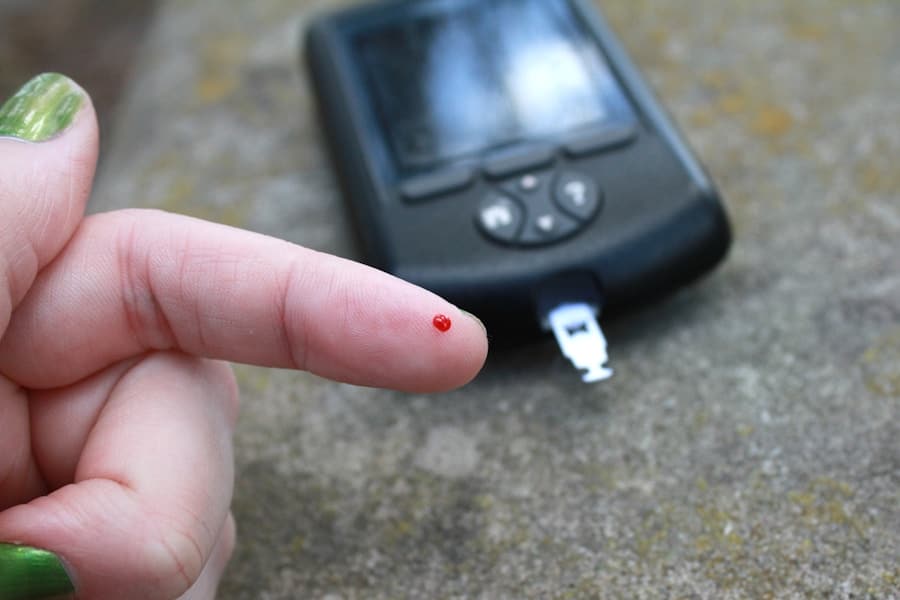
Understanding the Different Types of Insulin
There are various types of insulin available, including rapid-acting, short-acting, intermediate-acting, and long-acting insulins. Your healthcare provider will help determine the best type and dosage based on your individual needs and lifestyle.
Benefits of Insulin Therapy
While starting insulin therapy may seem intimidating at first, many people find that it significantly improves their blood sugar control and quality of life.
Working with Your Healthcare Provider
Your healthcare provider will work closely with you to determine the best course of treatment and ensure a smooth transition to insulin therapy.
Integrative Approaches to Managing Type 2 Diabetes
Integrative approaches to managing type 2 diabetes focus on treating the whole person rather than just the symptoms of the disease. This holistic perspective often includes a combination of conventional medical treatments alongside complementary therapies such as acupuncture, yoga, or mindfulness practices. These methods can help reduce stress levels, improve emotional well-being, and enhance overall health—all of which are important factors in managing diabetes effectively.
Incorporating integrative approaches into your diabetes management plan can empower you to take charge of your health in a more comprehensive way. For example, practicing mindfulness or meditation can help you develop a better relationship with food and reduce emotional eating triggers. Similarly, engaging in yoga or tai chi can improve flexibility and strength while promoting relaxation.
By combining these practices with traditional medical treatments, you may find a more balanced approach to managing your condition.
Consultation with Healthcare Providers for Alternative Treatment Options
As you navigate the complexities of managing type 2 diabetes, it’s essential to maintain open communication with your healthcare providers. They can offer valuable insights into alternative treatment options that may be suitable for you based on your unique health profile and preferences. Whether you’re considering lifestyle changes, dietary supplements, or alternative medications like insulin therapy or GLP-1 receptor agonists, your healthcare team can guide you through the decision-making process.
Regular check-ins with your healthcare provider will allow you to monitor your progress and make necessary adjustments to your treatment plan as needed. Remember that managing type 2 diabetes is a journey that requires ongoing commitment and support. By working closely with your healthcare team and exploring various treatment options—both conventional and alternative—you can take proactive steps toward achieving better health outcomes and improving your quality of life.
If you are looking for alternatives to Januvia for Type 2 Diabetes, you may also be interested in learning about the importance of nutrients in managing diabetes. Check out this article on why the 7 essential nutrients are important for overall health and well-being. Proper nutrition plays a crucial role in managing diabetes and maintaining a healthy lifestyle. Additionally, supplements can be beneficial for seniors looking to support their health and well-being. Learn more about the best supplements for seniors to consider incorporating into your daily routine. Lastly, incorporating regular exercise and fitness into your lifestyle can also have a positive impact on managing diabetes. Read more about living a healthy lifestyle through fitness to help support your overall health and well-being.
FAQs
What are some alternatives to Januvia for Type 2 Diabetes?
Some alternatives to Januvia for Type 2 Diabetes include metformin, sulfonylureas, thiazolidinediones, GLP-1 receptor agonists, SGLT2 inhibitors, and DPP-4 inhibitors.
What are the benefits of exploring alternatives to Januvia for Type 2 Diabetes?
Exploring alternatives to Januvia for Type 2 Diabetes can provide patients with more options for managing their condition, potentially reducing side effects and improving overall blood sugar control.
Are there any potential drawbacks to using alternatives to Januvia for Type 2 Diabetes?
Some potential drawbacks of using alternatives to Januvia for Type 2 Diabetes include the risk of different side effects, varying effectiveness for different individuals, and the need for careful monitoring and adjustment of medication regimens.
How can a healthcare provider help in exploring alternatives to Januvia for Type 2 Diabetes?
A healthcare provider can assess a patient’s individual needs and medical history to determine the most suitable alternative to Januvia for Type 2 Diabetes. They can also provide guidance on medication management and lifestyle changes to support diabetes management.