
Effexor, known generically as venlafaxine, is a prescription medication primarily used to treat major depressive disorder, anxiety disorders, and panic disorders. As a serotonin-norepinephrine reuptake inhibitor (SNRI), it works by increasing the levels of serotonin and norepinephrine in the brain, neurotransmitters that play a crucial role in regulating mood. While many individuals find relief from their symptoms with Effexor, it is not without its side effects, which can include nausea, dizziness, and increased blood pressure.
Additionally, some people may experience withdrawal symptoms if they suddenly stop taking the medication, making it essential to consult with a healthcare provider before making any changes to your treatment plan. If you are considering alternatives to Effexor, you may find that there are various options available. Other medications, such as selective serotonin reuptake inhibitors (SSRIs) like fluoxetine or sertraline, may be effective for you.
Furthermore, non-pharmaceutical approaches such as cognitive-behavioral therapy (CBT) or mindfulness practices can also provide significant benefits. Exploring these alternatives can empower you to take control of your mental health journey and find a solution that aligns with your lifestyle and preferences.
Key Takeaways
- Effexor is a commonly prescribed antidepressant, but there are alternative medications available for those who experience side effects or do not respond well to it.
- Lifestyle changes such as regular exercise, adequate sleep, and stress management can significantly improve mood and mental health.
- Herbal remedies like St. John’s Wort and Saffron have been shown to have mood-enhancing effects, but it’s important to consult with a healthcare professional before using them.
- Dietary changes, including increasing intake of omega-3 fatty acids and reducing processed foods and sugar, can have a positive impact on mental health.
- Regular physical activity, such as walking, yoga, or dancing, can help improve mood and reduce symptoms of depression and anxiety.
Lifestyle Changes to Improve Mood
Creating Structure in Your Day
By setting regular wake-up and sleep times, scheduling meals, and allocating time for work and leisure activities, you can reduce feelings of chaos and uncertainty that often accompany mood disorders. A predictable routine can help you feel more grounded and in control, which can be particularly beneficial when you’re struggling with anxiety or depression.
Incorporating Activities that Bring Joy
In addition to establishing a routine, consider incorporating activities that bring you joy and fulfillment into your daily life. Engaging in hobbies or interests that excite you can serve as a natural mood booster. Whether it’s painting, gardening, or playing a musical instrument, dedicating time to activities that resonate with you can provide a sense of accomplishment and purpose.
Surrounding Yourself with Positive Influences
Surrounding yourself with positive influences—friends who uplift you or environments that inspire you—can also enhance your mood and contribute to a more optimistic outlook on life.
Herbal Remedies for Mood Enhancement
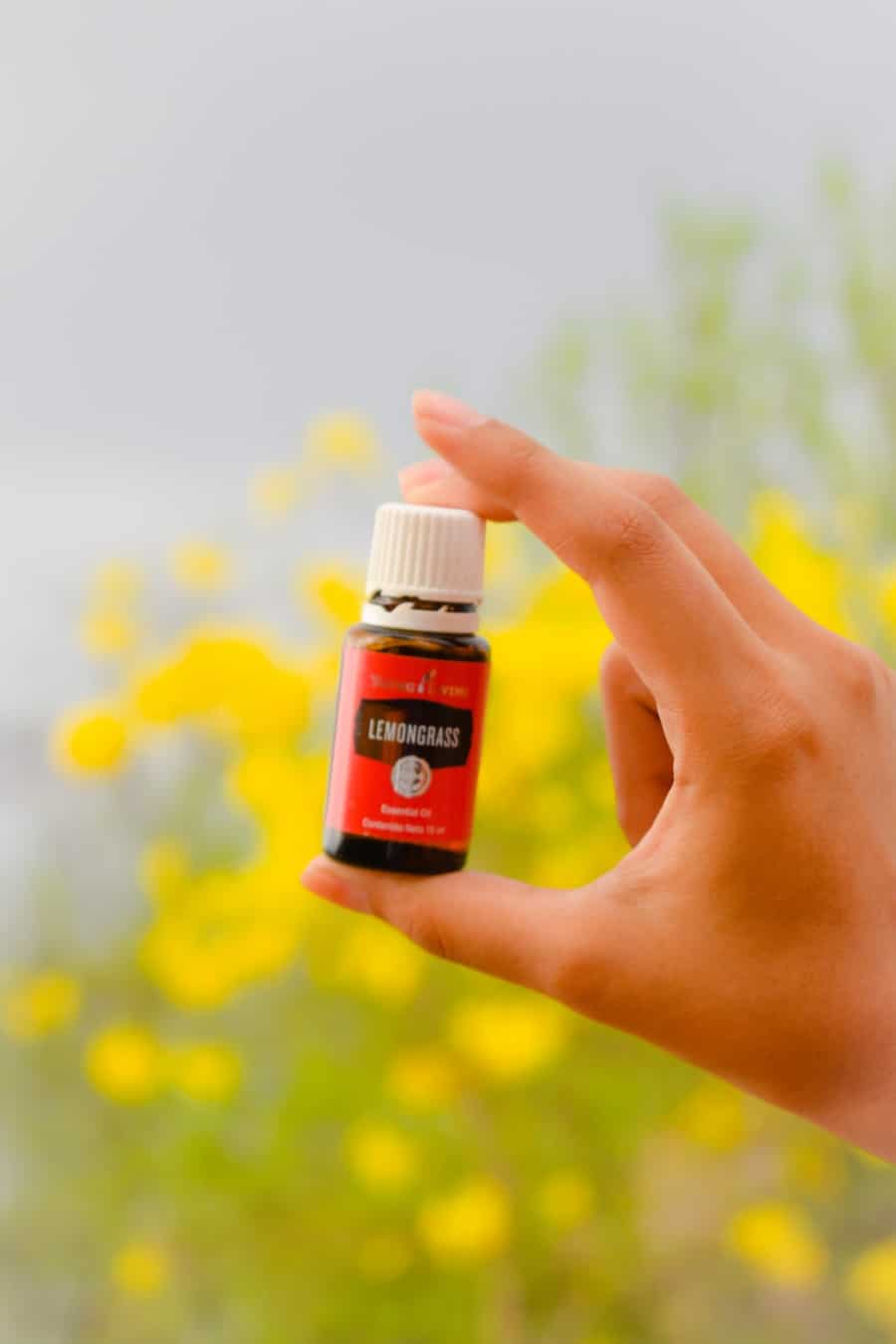
Herbal remedies have been used for centuries to support mental health and enhance mood. One popular option is St. John’s Wort, which has been shown in some studies to be effective in alleviating mild to moderate depression.
If you’re considering this herbal supplement, it’s crucial to consult with a healthcare professional first, as it can interact with various medications and may not be suitable for everyone. Additionally, valerian root and passionflower are other herbs that have been traditionally used to promote relaxation and reduce anxiety. Another herbal remedy worth exploring is ashwagandha, an adaptogen known for its ability to help the body manage stress.
Research suggests that ashwagandha may reduce cortisol levels and improve overall mood. Incorporating these herbs into your routine can be done through teas, capsules, or tinctures. However, it’s essential to approach herbal remedies with caution and ensure that they complement any existing treatment plans you may have.
Dietary Changes for Better Mental Health
Your diet plays a significant role in your mental health, and making mindful dietary changes can lead to improvements in your mood. A balanced diet rich in whole foods—fruits, vegetables, whole grains, lean proteins, and healthy fats—can provide the nutrients your brain needs to function optimally. Omega-3 fatty acids, found in fatty fish like salmon and walnuts, have been linked to reduced symptoms of depression and anxiety.
Incorporating these foods into your meals can be a delicious way to support your mental well-being. Moreover, paying attention to your sugar intake is crucial for maintaining stable energy levels and mood. High-sugar diets can lead to fluctuations in blood sugar levels, which may contribute to irritability and mood swings.
Instead of reaching for sugary snacks, consider opting for complex carbohydrates like quinoa or brown rice that provide sustained energy without the crash. By making these dietary adjustments, you can create a nourishing environment for your brain and enhance your overall mental health.
Exercise and Physical Activity for Mood Improvement
Engaging in regular physical activity is one of the most effective natural ways to boost your mood. Exercise releases endorphins—often referred to as “feel-good” hormones—that can create feelings of happiness and euphoria. Whether it’s going for a brisk walk, joining a dance class, or practicing yoga, finding an activity you enjoy can make it easier to incorporate exercise into your routine.
Aim for at least 30 minutes of moderate exercise most days of the week; this can significantly improve your mood over time. In addition to the immediate benefits of exercise, it also promotes better sleep quality and reduces stress levels—two factors that are closely linked to mental health. When you engage in physical activity, your body becomes more adept at managing stressors, which can lead to a more resilient mindset.
Consider setting achievable fitness goals or joining a community group to stay motivated and accountable on your journey toward improved mental well-being.
Mindfulness and Meditation Techniques

Integrating Mindfulness into Your Daily Routine
Simple techniques such as deep breathing exercises or guided meditations can be easily integrated into your daily routine. Even just a few minutes of mindfulness practice each day can create a sense of calm and clarity that positively impacts your overall mental state.
The Benefits of Meditation
Meditation offers additional benefits by promoting relaxation and self-awareness. You might explore different forms of meditation—such as loving-kindness meditation or body scan techniques—to find what resonates with you.
Developing Greater Resilience
As you develop a regular meditation practice, you may notice an increased ability to manage negative thoughts and emotions more effectively. This newfound awareness can empower you to respond to challenges with greater resilience and positivity.
Support Groups and Therapy Options
Connecting with others who share similar experiences can be incredibly beneficial for improving your mood. Support groups provide a safe space where you can share your feelings and learn from others who understand what you’re going through. Whether in-person or online, these groups foster a sense of community that can alleviate feelings of isolation often associated with mood disorders.
Engaging in discussions about coping strategies or simply sharing personal stories can create valuable connections that uplift your spirits. In addition to support groups, seeking therapy from a licensed mental health professional can offer personalized guidance tailored to your unique situation. Therapists employ various techniques—such as cognitive-behavioral therapy (CBT) or dialectical behavior therapy (DBT)—to help you develop coping skills and address underlying issues contributing to your mood challenges.
Therapy provides an opportunity for self-exploration and growth while equipping you with tools to navigate life’s ups and downs more effectively.
Seeking Professional Guidance for Natural Mood Enhancement
While exploring natural methods for enhancing your mood is empowering, it’s essential to seek professional guidance when necessary. A healthcare provider or mental health professional can help you assess your situation comprehensively and recommend appropriate strategies tailored to your needs. They can also monitor any potential interactions between herbal remedies or lifestyle changes and existing medications you may be taking.
Incorporating natural approaches into your mental health journey doesn’t mean abandoning traditional treatments altogether; rather, it can complement them effectively. By working collaboratively with professionals who understand both conventional medicine and holistic practices, you can create a well-rounded plan that supports your mental well-being in the long term. Remember that seeking help is a sign of strength; taking proactive steps toward improving your mood is an essential part of prioritizing your mental health journey.
If you are looking for natural ways to lift your mood without relying on prescription medications like Effexor, you may want to consider incorporating certain supplements into your daily routine. According to a recent article on Health Nutrition Supplements, there are five essential supplements that everyone should consider taking for overall health and well-being. These supplements have been backed by scientific evidence supporting their effectiveness in improving mood, energy levels, and overall vitality. For those with specific dietary restrictions such as gluten-free or lactose-free diets, there are also supplements available to meet their needs. To learn more about these essential supplements and how they can help improve your mood naturally, check out the article here.
FAQs
What are some natural alternatives to Effexor for lifting mood?
Some natural alternatives to Effexor for lifting mood include exercise, a healthy diet, adequate sleep, mindfulness and meditation, and herbal supplements such as St. John’s Wort and SAM-e.
How does exercise help in lifting mood as an alternative to Effexor?
Exercise helps in lifting mood by releasing endorphins, which are natural mood lifters. It also reduces stress and anxiety, improves self-esteem, and promotes better sleep, all of which contribute to a better mood.
What role does a healthy diet play in lifting mood as an alternative to Effexor?
A healthy diet rich in fruits, vegetables, whole grains, and lean proteins provides essential nutrients that support brain health and mood regulation. Foods high in omega-3 fatty acids, such as fish, can also have a positive impact on mood.
How does adequate sleep contribute to lifting mood as an alternative to Effexor?
Adequate sleep is crucial for mood regulation, as lack of sleep can lead to irritability, anxiety, and depression. Getting enough restful sleep can help improve mood and overall well-being.
What is the role of mindfulness and meditation in lifting mood as an alternative to Effexor?
Mindfulness and meditation practices can help reduce stress, improve emotional regulation, and promote a sense of calm and well-being. These practices can be effective in lifting mood and managing symptoms of depression and anxiety.
Are there any herbal supplements that can be used as alternatives to Effexor for lifting mood?
Yes, herbal supplements such as St. John’s Wort and SAM-e have been studied for their potential to improve mood and alleviate symptoms of depression. However, it’s important to consult with a healthcare professional before using any herbal supplements, as they can interact with other medications and have potential side effects.