
Glutathione is a powerful antioxidant that plays a crucial role in maintaining your overall health. It is a tripeptide composed of three amino acids: cysteine, glutamine, and glycine. This unique structure allows glutathione to perform a variety of functions within your body, including detoxification, immune system support, and the maintenance of cellular health.
As you navigate through daily life, your body is constantly exposed to oxidative stress from environmental toxins, pollutants, and even the natural metabolic processes that occur within your cells. Glutathione acts as a protective shield against these harmful agents, neutralizing free radicals and preventing cellular damage. In addition to its antioxidant properties, glutathione is essential for the synthesis of proteins and the regulation of various biochemical reactions.
It helps in the recycling of other antioxidants, such as vitamins C and E, thereby enhancing their effectiveness. Furthermore, glutathione plays a vital role in the metabolism of fats and carbohydrates, contributing to energy production. Understanding the multifaceted roles of glutathione can help you appreciate its significance in maintaining optimal health and well-being.
Key Takeaways
- Glutathione is a powerful antioxidant that plays a crucial role in protecting cells from damage and supporting the immune system.
- The kidneys are vital organs responsible for filtering waste and toxins from the blood, regulating blood pressure, and maintaining electrolyte balance.
- Glutathione has been found to play a key role in protecting the kidneys from oxidative stress and supporting overall kidney function.
- Research suggests that glutathione supplementation may help improve kidney function and reduce the risk of kidney disease.
- While glutathione offers potential benefits for kidney health, it is important to consult a healthcare professional before starting supplementation to avoid potential risks or side effects.
The Function of the Kidneys in the Body
Your kidneys are remarkable organs that serve as the body’s natural filtration system. Located on either side of your spine, they are responsible for removing waste products and excess substances from your blood, which are then excreted as urine. This filtration process is essential for maintaining the balance of electrolytes, fluids, and pH levels in your body.
By regulating these factors, your kidneys help ensure that your body functions efficiently and effectively. In addition to their filtering capabilities, your kidneys also play a role in regulating blood pressure and producing hormones that are vital for red blood cell production and calcium metabolism. They help maintain homeostasis by adjusting the levels of various substances in your bloodstream, including sodium, potassium, and calcium.
When your kidneys are functioning optimally, they contribute significantly to your overall health. However, when they become compromised due to disease or other factors, it can lead to serious health issues that affect not only kidney function but also your overall well-being.
The Relationship Between Glutathione and Kidney Health

The relationship between glutathione and kidney health is an area of growing interest among researchers and healthcare professionals. Your kidneys are particularly susceptible to oxidative stress due to their high metabolic activity and exposure to various toxins. Glutathione plays a protective role in this context by neutralizing free radicals and reducing oxidative damage to kidney cells.
When glutathione levels are adequate, your kidneys can function more efficiently, filtering waste products and maintaining fluid balance. Moreover, glutathione is involved in the detoxification processes that occur within the kidneys. It aids in the conjugation of harmful substances, making them more water-soluble and easier for your body to excrete.
This detoxification process is crucial for preventing kidney damage from environmental toxins and medications. A deficiency in glutathione can lead to increased oxidative stress and inflammation within the kidneys, potentially resulting in impaired function or even kidney disease. Therefore, maintaining optimal levels of glutathione is essential for supporting kidney health.
Research on the Effects of Glutathione on Kidneys
Recent studies have begun to shed light on the effects of glutathione on kidney function and health. Research indicates that individuals with chronic kidney disease (CKD) often exhibit lower levels of glutathione compared to healthy individuals. This deficiency may contribute to the progression of kidney disease by exacerbating oxidative stress and inflammation.
Some studies have suggested that supplementing with glutathione or its precursors may help improve kidney function by restoring antioxidant levels and reducing oxidative damage. In addition to CKD, research has explored the potential benefits of glutathione in acute kidney injury (AKI). Animal studies have shown that administering glutathione can mitigate kidney damage caused by ischemia-reperfusion injury, a common cause of AKI.
These findings suggest that glutathione may have therapeutic potential in protecting against acute kidney injuries by enhancing antioxidant defenses and reducing inflammation. While more research is needed to fully understand the mechanisms at play, these initial findings highlight the importance of glutathione in maintaining kidney health.
Potential Benefits of Glutathione for Kidney Health
The potential benefits of glutathione for kidney health are numerous and promising. One of the most significant advantages is its ability to combat oxidative stress, which is a major contributor to kidney damage. By neutralizing free radicals and reducing inflammation, glutathione can help protect kidney cells from injury and promote their overall function.
This protective effect may be particularly beneficial for individuals at risk for kidney disease or those already experiencing compromised kidney function. Furthermore, glutathione’s role in detoxification cannot be overstated. By facilitating the elimination of harmful substances from your body, it helps reduce the burden on your kidneys.
This detoxifying action can be especially important for individuals exposed to environmental toxins or those taking medications that may adversely affect kidney function. Additionally, maintaining adequate levels of glutathione may support overall metabolic health, which is crucial for preventing conditions such as hypertension and diabetes—two leading causes of kidney disease.
Potential Risks or Side Effects of Glutathione on Kidneys
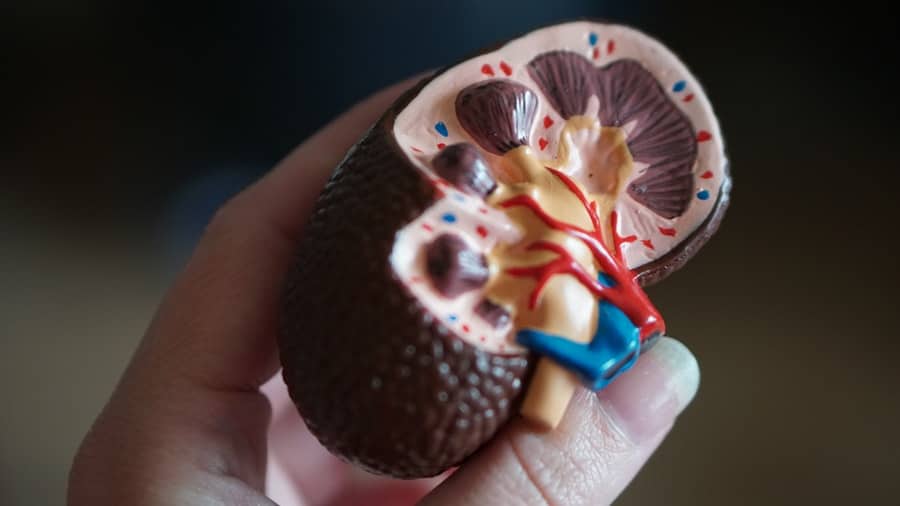
While glutathione is generally considered safe for most individuals when taken in appropriate doses, there are potential risks and side effects to be aware of, particularly concerning kidney health. One concern is that excessive supplementation may lead to an imbalance in other antioxidants within your body. High doses of glutathione could potentially interfere with the body’s natural antioxidant systems, leading to unintended consequences.
Moreover, individuals with certain medical conditions or those taking specific medications should exercise caution when considering glutathione supplementation. For instance, people with asthma or allergies may experience adverse reactions due to sulfite sensitivity, as some forms of glutathione contain sulfites. Additionally, if you have existing kidney issues or are on medications that affect kidney function, it is essential to consult with a healthcare professional before starting any supplementation regimen.
Understanding these potential risks can help you make informed decisions about supporting your kidney health with glutathione.
How to Support Kidney Health with Glutathione
Supporting your kidney health with glutathione can be achieved through various lifestyle choices and dietary adjustments. One effective way to boost your body’s natural production of glutathione is by consuming foods rich in sulfur-containing amino acids, such as garlic, onions, cruciferous vegetables (like broccoli and Brussels sprouts), and legumes. These foods provide the building blocks necessary for your body to synthesize glutathione effectively.
In addition to dietary changes, incorporating regular physical activity into your routine can enhance your body’s antioxidant defenses, including glutathione levels. Exercise has been shown to stimulate the production of various antioxidants while improving overall metabolic health. Furthermore, managing stress through mindfulness practices or relaxation techniques can also support healthy glutathione levels by reducing oxidative stress on your body.
If you are considering supplementation as a means to support your kidney health with glutathione, it is crucial to consult with a healthcare professional first. They can help determine whether supplementation is appropriate for you based on your individual health needs and circumstances.
The Overall Impact of Glutathione on Kidney Function
In conclusion, glutathione plays a vital role in maintaining kidney health through its powerful antioxidant properties and detoxification capabilities. By protecting against oxidative stress and supporting metabolic processes within the kidneys, adequate levels of glutathione can contribute significantly to overall kidney function. As research continues to explore the relationship between glutathione and kidney health, it becomes increasingly clear that this tripeptide is essential for safeguarding one of your body’s most critical filtration systems.
By adopting a holistic approach that includes a balanced diet rich in sulfur-containing foods, regular exercise, stress management techniques, and informed supplementation when necessary, you can support your body’s natural production of glutathione and promote optimal kidney health. Ultimately, understanding the impact of glutathione on kidney function empowers you to take proactive steps toward maintaining your overall well-being while safeguarding these vital organs from potential harm.
Glutathione is a powerful antioxidant that plays a crucial role in maintaining overall health and wellness. In addition to its impact on the kidneys, antioxidants like glutathione also help protect the body from oxidative stress and inflammation. For more information on the benefits of antioxidants, you can check out this article on antioxidants. It discusses how antioxidants can support the body’s natural defense mechanisms and promote optimal health.
FAQs
What is glutathione?
Glutathione is a powerful antioxidant that is naturally produced in the body. It plays a crucial role in protecting cells from oxidative stress and maintaining overall health.
How does glutathione affect the kidneys?
Glutathione has been shown to have protective effects on the kidneys. It helps to reduce oxidative stress and inflammation in the kidneys, which can help prevent kidney damage and improve overall kidney function.
Can glutathione be beneficial for kidney health?
Yes, glutathione can be beneficial for kidney health. It helps to protect the kidneys from damage caused by oxidative stress and inflammation, and may also help to improve kidney function in certain conditions.
Are there any risks or side effects of glutathione on the kidneys?
In general, glutathione is considered safe and well-tolerated. However, in some cases, high doses of glutathione may cause side effects such as abdominal pain, nausea, and vomiting. It is important to consult with a healthcare professional before taking glutathione supplements, especially if you have kidney disease or other health conditions.
How can I naturally increase my glutathione levels for kidney health?
There are several ways to naturally increase glutathione levels in the body, including eating a diet rich in sulfur-containing foods such as garlic, onions, and cruciferous vegetables, getting regular exercise, and getting enough sleep. Additionally, certain supplements such as N-acetylcysteine (NAC) and alpha-lipoic acid may help to support glutathione production in the body.