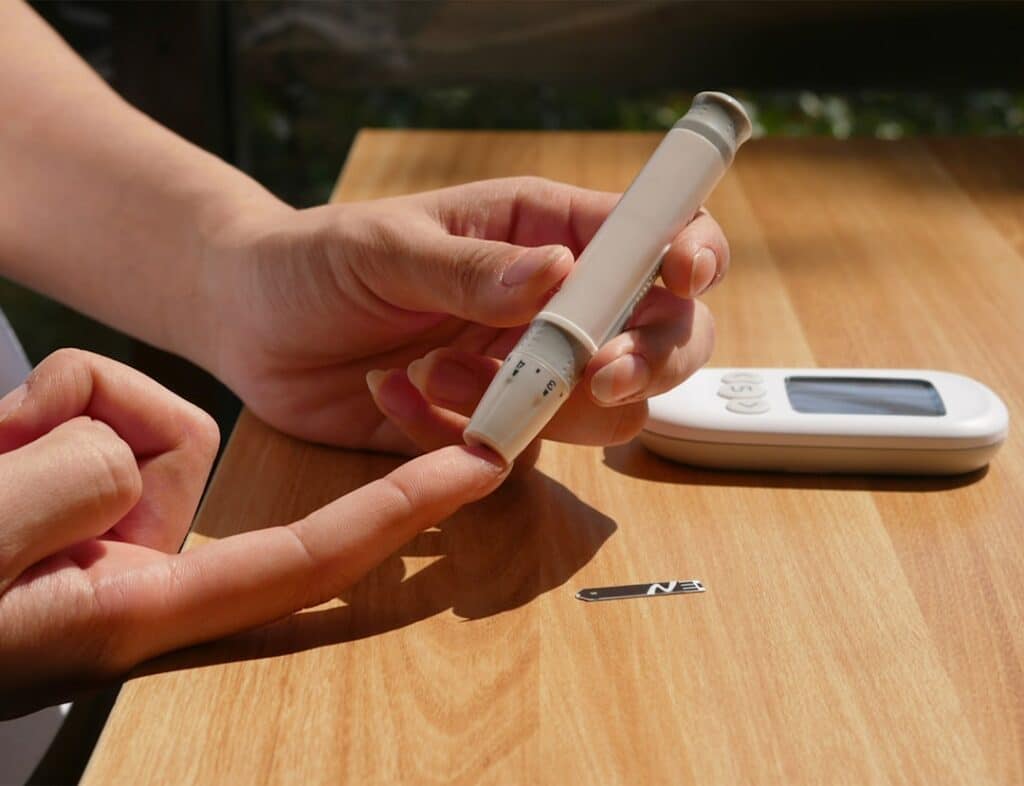
Diabetes is a chronic condition that affects how your body processes glucose, a type of sugar that serves as a primary energy source. When you have diabetes, your body either does not produce enough insulin, a hormone that regulates blood sugar levels, or it cannot effectively use the insulin it produces. This leads to elevated blood sugar levels, which can cause a range of health complications if not managed properly.
Understanding the nuances of diabetes is crucial for you to take control of your health and make informed decisions about your treatment options. Blood sugar control is a fundamental aspect of managing diabetes. Maintaining stable blood sugar levels can help prevent complications such as heart disease, kidney damage, and nerve issues.
You may find that monitoring your blood sugar regularly, understanding how different foods and activities affect your levels, and adhering to a treatment plan are essential steps in achieving optimal control. By gaining insight into how your body responds to various factors, you can better navigate the challenges of living with diabetes and improve your overall quality of life.
Key Takeaways
- Diabetes is a condition that affects blood sugar control and can lead to serious health complications if not managed properly.
- Tradjenta is a medication that helps manage blood sugar levels by increasing insulin production and decreasing sugar production in the liver.
- Side effects of Tradjenta may include upper respiratory tract infections, urinary tract infections, and allergic reactions.
- Alternative medications for blood sugar control include metformin, sulfonylureas, and insulin therapy, which may be prescribed based on individual needs.
- Lifestyle changes such as regular exercise, healthy eating, and weight management are important for managing diabetes and blood sugar levels.
The Role of Tradjenta in Managing Blood Sugar Levels
Effective Management of Type 2 Diabetes
Tradjenta may be an effective option for individuals living with type 2 diabetes as part of their overall management strategy. It is often prescribed alongside lifestyle changes and other medications to help achieve better blood sugar control.
Convenient Dosing and Low Risk of Hypoglycemia
One of the appealing aspects of Tradjenta is its once-daily dosing, which can simplify the medication regimen. This convenience is further enhanced by the low risk of causing hypoglycemia (low blood sugar), making it a safer choice for many individuals.
Improved Blood Sugar Control and Overall Well-being
By incorporating Tradjenta into the treatment plan, you may find that it helps maintain blood sugar levels throughout the day, allowing you to focus on other aspects of your health and well-being.
The Limitations and Side Effects of Tradjenta
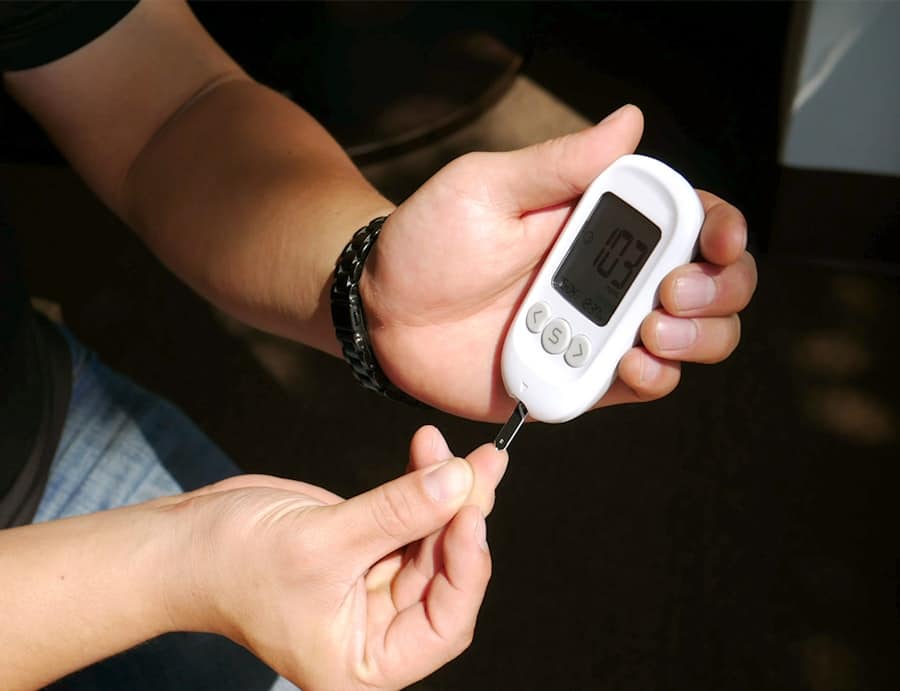
While Tradjenta can be an effective tool in managing blood sugar levels, it is essential to be aware of its limitations and potential side effects. Like any medication, Tradjenta may not work for everyone, and its effectiveness can vary from person to person. Some individuals may experience only modest improvements in their blood sugar control, which could necessitate the addition of other medications or lifestyle changes to achieve desired results.
In terms of side effects, some people may experience gastrointestinal issues such as nausea, diarrhea, or abdominal pain when taking Tradjenta. Although these side effects are generally mild and tend to diminish over time, they can be bothersome for some individuals. Additionally, there have been rare reports of pancreatitis associated with DPP-4 inhibitors like Tradjenta.
If you experience severe abdominal pain or other concerning symptoms while taking this medication, it is crucial to consult your healthcare provider promptly.
Alternative Medications for Blood Sugar Control
If Tradjenta does not meet your needs or if you experience side effects that are difficult to manage, there are several alternative medications available for blood sugar control. Metformin is often the first-line treatment for type 2 diabetes and works by improving insulin sensitivity and reducing glucose production in the liver. You may find that Metformin is effective in helping you lower your blood sugar levels while also promoting weight loss.
Other classes of medications include sulfonylureas, which stimulate insulin release from the pancreas, and SGLT2 inhibitors, which help your kidneys remove excess glucose from your bloodstream. Each medication has its own mechanism of action and potential side effects, so it is essential to work closely with your healthcare provider to determine the best option for you. By exploring these alternatives, you can find a treatment plan that aligns with your lifestyle and health goals.
Lifestyle Changes for Managing Diabetes
In addition to medication, making lifestyle changes is a critical component of managing diabetes effectively. You have the power to influence your health through choices related to diet, exercise, and stress management. By adopting healthier habits, you can improve your blood sugar control and reduce the risk of complications associated with diabetes.
One of the first steps you can take is to educate yourself about how different foods impact your blood sugar levels. Incorporating regular physical activity into your routine is another vital lifestyle change that can significantly benefit your diabetes management. Exercise helps improve insulin sensitivity and can lead to better blood sugar control over time.
Whether it’s walking, swimming, or engaging in strength training, finding an activity you enjoy will make it easier for you to stay consistent. Remember that even small changes can have a positive impact on your overall health and well-being.
Dietary Approaches to Controlling Blood Sugar
Focus on Whole Foods
Your diet plays a crucial role in managing diabetes and controlling blood sugar levels. Focusing on whole foods such as fruits, vegetables, whole grains, lean proteins, and healthy fats can help you maintain stable blood sugar levels throughout the day. You may want to consider adopting a balanced meal plan that emphasizes low glycemic index foods—these foods are digested more slowly and have a lesser impact on blood sugar levels.
Portion Control is Key
Portion control is another essential aspect of dietary management for diabetes. Being mindful of serving sizes can help prevent spikes in blood sugar after meals. You might also find it beneficial to spread your meals throughout the day rather than consuming large quantities at once.
Maintaining Stable Energy Levels
This approach can help keep your energy levels stable and reduce the likelihood of experiencing extreme fluctuations in blood sugar.
Physical Activity and Exercise for Diabetes Management
Engaging in regular physical activity is one of the most effective ways to manage diabetes and improve overall health. Exercise helps lower blood sugar levels by increasing insulin sensitivity and promoting glucose uptake by muscle cells. You may find that incorporating both aerobic exercises—such as walking or cycling—and strength training into your routine provides comprehensive benefits for blood sugar control.
Finding an exercise routine that fits into your lifestyle is key to maintaining consistency. Whether it’s joining a local fitness class or simply taking daily walks around your neighborhood, staying active can significantly impact your diabetes management journey. Additionally, consider setting achievable fitness goals that motivate you to stay on track while also allowing for flexibility in your routine.
Integrative and Complementary Therapies for Blood Sugar Control
In addition to conventional treatments and lifestyle changes, many individuals explore integrative and complementary therapies as part of their diabetes management plan. These approaches may include acupuncture, yoga, meditation, or herbal supplements aimed at supporting blood sugar control. While some people report positive experiences with these therapies, it is essential to approach them with caution and consult with your healthcare provider before incorporating them into your routine.
Integrative therapies can complement traditional treatments by addressing stress management and promoting overall well-being. For instance, practicing mindfulness through meditation or yoga can help reduce stress levels, which may positively influence blood sugar control. By exploring these options alongside conventional treatments, you can create a holistic approach to managing diabetes that aligns with your personal preferences and health goals.
In conclusion, managing diabetes requires a multifaceted approach that includes understanding the condition itself, utilizing medications like Tradjenta when appropriate, making lifestyle changes, and exploring dietary options. By taking an active role in your health journey and considering various strategies for blood sugar control, you can empower yourself to live well with diabetes while minimizing the risk of complications.
If you are interested in learning more about the importance of taking supplements for overall health, check out this informative article on Calcium. Understanding how much nutrients we need each day is crucial for maintaining optimal health, so take a look at this article on How Much Nutrients We Need a Day for more information.
FAQs
What is Tradjenta and how does it work?
Tradjenta is a prescription medication used to lower blood sugar levels in adults with type 2 diabetes. It works by increasing the levels of natural substances called incretins, which help control blood sugar by increasing insulin release and decreasing the amount of sugar your liver makes.
What are some alternatives to Tradjenta for blood sugar control?
There are several alternatives to Tradjenta for blood sugar control, including other oral medications such as metformin, sulfonylureas, DPP-4 inhibitors, SGLT2 inhibitors, and GLP-1 receptor agonists. Additionally, insulin therapy may be considered for some patients.
What are the potential side effects of Tradjenta?
Common side effects of Tradjenta may include stuffy or runny nose, sore throat, cough, or diarrhea. More serious side effects may include pancreatitis, allergic reactions, kidney problems, and severe joint pain. It is important to discuss potential side effects with a healthcare provider.
Who should not take Tradjenta?
Tradjenta should not be taken by people with type 1 diabetes or diabetic ketoacidosis. It is also not recommended for use in children. Individuals with a history of allergic reactions to Tradjenta or its ingredients should not take this medication.
How should Tradjenta be taken?
Tradjenta is typically taken once daily with or without food. The dosage may vary depending on individual needs and other medications being taken. It is important to follow the instructions provided by a healthcare provider and to not adjust the dosage without consulting a doctor.