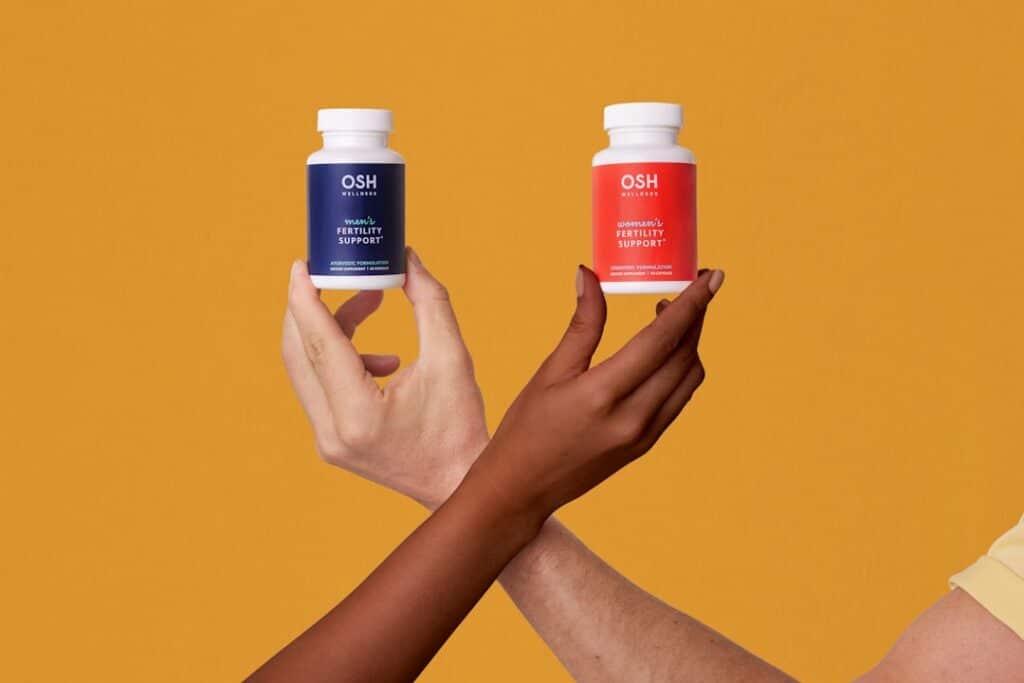
Dehydroepiandrosterone, commonly known as DHEA, is a hormone produced by the adrenal glands, which are located on top of your kidneys. This steroid hormone serves as a precursor to both testosterone and estrogen, playing a crucial role in the synthesis of these sex hormones. DHEA levels peak in your mid-20s and gradually decline with age, leading many to explore its potential benefits as a supplement.
Understanding DHEA is essential for anyone considering its use, as it can influence various bodily functions and overall health. In addition to its role in hormone production, DHEA is involved in several physiological processes, including immune function, metabolism, and even mood regulation. The hormone has garnered attention for its potential to enhance physical performance, improve mood, and support overall well-being.
As you delve deeper into the world of DHEA, you may find that its multifaceted nature makes it a compelling subject for those interested in health and wellness.
Key Takeaways
- DHEA is a hormone produced by the adrenal glands that plays a role in the production of other hormones in the body.
- Benefits of DHEA supplement include improved mood, increased energy, and support for overall hormonal balance.
- When choosing a DHEA supplement, it’s important to look for a reputable brand, consider the dosage, and consult with a healthcare professional.
- The recommended dosage of DHEA supplement varies depending on individual needs and should be taken under the guidance of a healthcare provider.
- Potential side effects of DHEA supplement may include acne, hair loss, and changes in mood, and it’s important to monitor for any adverse reactions.
Benefits of DHEA Supplement
The potential benefits of DHEA supplementation are numerous and varied, making it an appealing option for many individuals seeking to enhance their health. One of the most commonly cited advantages is its ability to improve energy levels and combat fatigue. As DHEA levels decline with age, many people report feeling more sluggish and less motivated.
By supplementing with DHEA, you may experience a boost in energy that can help you tackle daily tasks with renewed vigor. Moreover, DHEA has been linked to improved mood and emotional well-being. Some studies suggest that it may help alleviate symptoms of depression and anxiety, providing a natural alternative to traditional antidepressants.
If you find yourself struggling with mood fluctuations or feelings of sadness, incorporating DHEA into your routine could offer a supportive solution. However, it’s essential to consult with a healthcare professional before starting any new supplement regimen to ensure it aligns with your individual health needs.
How to Choose the Right DHEA Supplement

When it comes to selecting the right DHEA supplement, there are several factors to consider to ensure you make an informed choice. First and foremost, look for products that are manufactured by reputable companies with a history of quality and safety. Reading customer reviews and checking for third-party testing can provide insight into the effectiveness and reliability of a particular brand.
You want to ensure that the supplement you choose is free from contaminants and meets the highest standards of quality. Additionally, consider the form of DHEA that best suits your lifestyle. Supplements are available in various forms, including capsules, tablets, and topical creams.
Each form has its own absorption rates and convenience factors. For instance, if you prefer a quick and easy option, capsules may be ideal. On the other hand, if you’re looking for localized effects or have difficulty swallowing pills, a topical cream might be more suitable.
Ultimately, the right choice will depend on your personal preferences and health goals.
DHEA Dosage and Usage
| DHEA Dosage | Usage |
|---|---|
| 25-50 mg per day | For general health and well-being |
| 50-100 mg per day | For specific health conditions or athletic performance |
| 100-200 mg per day | Under medical supervision for certain medical conditions |
Determining the appropriate dosage of DHEA can be a nuanced process, as individual needs may vary based on factors such as age, sex, and specific health concerns. Generally speaking, most studies have used doses ranging from 25 mg to 100 mg per day. However, it’s crucial to start with a lower dose and gradually increase it under the guidance of a healthcare professional.
This approach allows you to monitor how your body responds to the supplement while minimizing the risk of potential side effects. In terms of usage, consistency is key when taking DHEA supplements. It’s advisable to take them at the same time each day to maintain stable hormone levels in your body.
Some individuals prefer taking DHEA in the morning to align with their natural circadian rhythms, while others may find it beneficial to take it in the evening. Regardless of when you choose to take it, establishing a routine can help you maximize the potential benefits of this hormone.
Potential Side Effects of DHEA Supplement
While many people may experience positive effects from DHEA supplementation, it’s essential to be aware of potential side effects that could arise. Common side effects include acne, hair loss, and changes in menstrual cycle for women. These effects are often linked to hormonal fluctuations caused by increased levels of DHEA in the body.
If you notice any adverse reactions after starting supplementation, it’s crucial to consult with your healthcare provider promptly. Additionally, there are concerns regarding the long-term use of DHEA supplements and their impact on hormonal balance. Some studies suggest that excessive use could lead to elevated levels of testosterone or estrogen, which may result in unwanted side effects such as mood swings or increased aggression.
Therefore, monitoring your body’s response and working closely with a healthcare professional can help mitigate these risks while allowing you to enjoy the potential benefits of DHEA.
DHEA and Hormonal Balance

DHEA plays a pivotal role in maintaining hormonal balance within your body. As a precursor to both testosterone and estrogen, it helps regulate the production of these vital hormones that influence numerous bodily functions. When DHEA levels decline with age or due to stressors such as illness or lifestyle factors, hormonal imbalances can occur.
This imbalance may manifest as fatigue, mood swings, or decreased libido. By supplementing with DHEA, you may be able to restore some degree of hormonal equilibrium. Many individuals report improvements in energy levels and overall vitality after incorporating DHEA into their daily routine.
However, achieving hormonal balance is not solely about supplementation; lifestyle factors such as diet, exercise, and stress management also play significant roles. Therefore, adopting a holistic approach that includes healthy habits alongside DHEA supplementation can yield optimal results.
DHEA and Mental Health
The relationship between DHEA and mental health is an area of growing interest among researchers and healthcare professionals alike. Some studies suggest that adequate levels of DHEA may contribute to improved cognitive function and emotional well-being. For instance, individuals with higher levels of this hormone often report lower rates of depression and anxiety compared to those with diminished levels.
If you struggle with mental health challenges or simply wish to enhance your emotional resilience, considering DHEA supplementation could be beneficial. However, it’s essential to approach this option thoughtfully and in conjunction with other mental health strategies such as therapy or mindfulness practices. By integrating DHEA into a comprehensive mental health plan, you may find yourself better equipped to navigate life’s challenges with greater ease.
DHEA and Aging
As you age, your body undergoes various changes that can impact your overall health and well-being. One significant change is the decline in hormone production, including DHEThis decrease can contribute to symptoms commonly associated with aging, such as decreased energy levels, reduced muscle mass, and diminished cognitive function. Many individuals seek out DHEA supplements as a means to counteract these effects and promote healthy aging.
Research suggests that restoring DHEA levels through supplementation may help mitigate some age-related declines in physical performance and cognitive abilities. While more studies are needed to fully understand the long-term effects of DHEA on aging, many people report feeling more youthful and vibrant after incorporating this hormone into their wellness routines. As you consider your own aging journey, exploring the potential benefits of DHEA could be a valuable step toward maintaining vitality and quality of life as you grow older.
In conclusion, understanding DHEA’s role in your body can empower you to make informed decisions about supplementation. From its potential benefits for energy levels and mood enhancement to its impact on hormonal balance and aging, DHEA presents an intriguing option for those seeking to optimize their health. However, always remember that individual responses can vary significantly; therefore, consulting with a healthcare professional is crucial before embarking on any new supplement regimen.
By taking a thoughtful approach to your health journey, you can harness the potential benefits of DHEA while minimizing risks associated with supplementation.
If you are interested in learning more about supplements for muscle building and sports performance, check out this informative article here. It provides valuable information on how certain supplements can help enhance athletic performance and support muscle growth. Additionally, if you are looking to lose weight and improve your overall health, you may want to read about the 7 exercises to lose weight and feel great here. These exercises can help you achieve your fitness goals and boost your confidence.
FAQs
What is DHEA?
DHEA, or dehydroepiandrosterone, is a hormone produced by the adrenal glands. It is a precursor to the hormones estrogen and testosterone.
What are the potential health benefits of DHEA supplementation?
Some studies suggest that DHEA supplementation may have potential benefits for conditions such as depression, osteoporosis, and adrenal insufficiency. It may also have anti-aging effects and support immune function.
Are there any potential risks or side effects of DHEA supplementation?
DHEA supplementation may have potential risks and side effects, including acne, hair loss, and changes in mood. It may also interact with certain medications and medical conditions, so it is important to consult with a healthcare professional before taking DHEA supplements.
Who may benefit from DHEA supplementation?
Individuals with low DHEA levels, as determined by a healthcare professional through blood tests, may benefit from DHEA supplementation. It is important to consult with a healthcare professional before starting DHEA supplementation.
What is the recommended dosage of DHEA supplements?
The recommended dosage of DHEA supplements can vary depending on individual factors such as age, sex, and health status. It is important to consult with a healthcare professional to determine the appropriate dosage for your specific needs.
Is DHEA supplementation safe for everyone?
DHEA supplementation may not be safe for everyone, especially for individuals with certain medical conditions such as hormone-sensitive cancers, liver disease, or diabetes. It is important to consult with a healthcare professional before starting DHEA supplementation.