
Muscle growth, or hypertrophy, is a complex physiological process that occurs when your body adapts to the stress of resistance training. When you engage in weightlifting or other forms of resistance exercise, you create tiny tears in your muscle fibers. Your body responds by repairing these fibers, making them thicker and stronger.
This process is influenced by various factors, including genetics, nutrition, and the type of training you undertake. As you embark on your fitness journey, understanding the science behind muscle growth can empower you to make informed decisions about your training and supplementation. Supplements can play a significant role in supporting your muscle growth efforts.
While they are not a magic solution, they can provide your body with the necessary nutrients to optimize recovery and enhance performance. For instance, certain supplements can help you meet your daily protein requirements, replenish glycogen stores, and reduce muscle soreness after intense workouts. By incorporating the right supplements into your regimen, you can create an environment conducive to muscle growth and recovery, allowing you to push your limits and achieve your fitness goals more effectively.
Key Takeaways
- Understanding the basics of muscle growth and the potential role of supplements can help individuals make informed decisions about their fitness journey.
- When choosing health supplements for muscle growth, it’s important to consider factors such as ingredients, quality, and potential side effects.
- Protein is a crucial component of muscle building supplements, as it plays a key role in muscle repair and growth.
- Health supplements can aid in enhancing muscle recovery by providing essential nutrients and promoting faster healing after intense workouts.
- Pre-workout and post-workout supplements can support muscle growth by providing energy, improving performance, and aiding in muscle recovery.
Choosing the Right Health Supplements for Muscle Growth
When it comes to selecting health supplements for muscle growth, the options can be overwhelming. You may find yourself faced with a myriad of products claiming to enhance performance, increase strength, or promote recovery. To navigate this landscape effectively, it’s essential to focus on supplements that have been backed by scientific research and have a proven track record of efficacy.
Look for products that contain key ingredients known to support muscle growth, such as protein, creatine, and branched-chain amino acids (BCAAs). Additionally, consider your individual needs and goals when choosing supplements. Are you looking to build muscle mass quickly, or are you more focused on endurance and recovery?
Your specific objectives will guide your supplement choices. For example, if you’re aiming for significant muscle gain, a protein powder or creatine supplement may be beneficial. On the other hand, if your focus is on recovery after workouts, BCAAs or glutamine could be more appropriate.
By aligning your supplement choices with your personal fitness goals, you can maximize their effectiveness and support your overall training regimen.
The Importance of Protein in Muscle Building Supplements
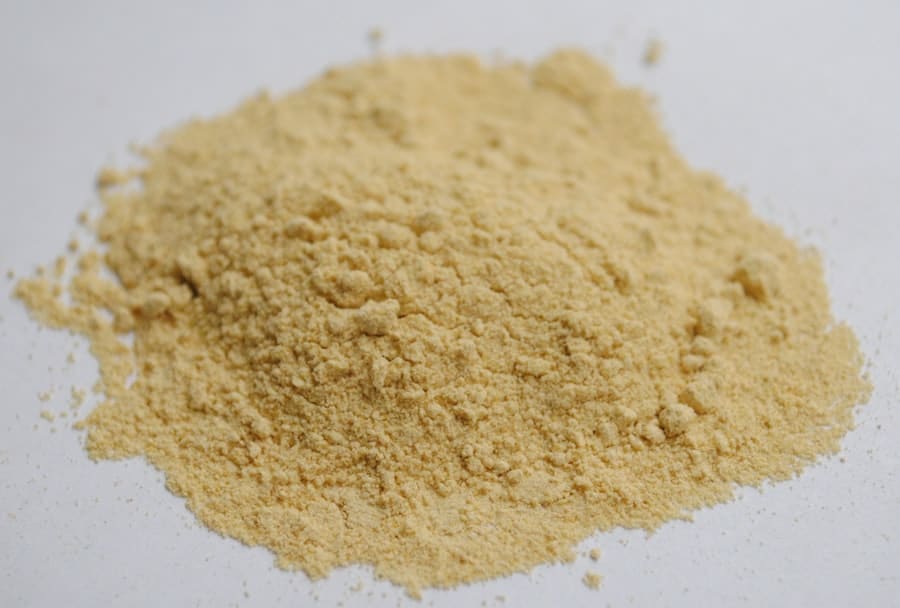
Protein is often hailed as the cornerstone of muscle building, and for good reason. It provides the essential amino acids that your body needs to repair and build muscle tissue after exercise. When you engage in resistance training, your muscles require adequate protein intake to facilitate recovery and growth.
This is where protein supplements come into play. They offer a convenient way to ensure that you’re meeting your daily protein requirements, especially if you struggle to obtain enough protein from whole food sources. There are various types of protein supplements available on the market, including whey protein, casein protein, and plant-based options like pea or soy protein.
Whey protein is particularly popular due to its high biological value and rapid absorption rate, making it an excellent choice for post-workout recovery. On the other hand, casein protein digests more slowly, providing a sustained release of amino acids that can be beneficial during periods of fasting or overnight recovery. By incorporating the right type of protein supplement into your diet, you can enhance your muscle-building efforts and support optimal recovery.
Enhancing Muscle Recovery with Health Supplements
| Supplement | Benefit | Recommended Dosage |
|---|---|---|
| Whey Protein | Increases muscle protein synthesis | 20-25g post-workout |
| BCAAs | Reduces muscle soreness and fatigue | 5-10g pre or post-workout |
| Creatine | Improves strength and muscle recovery | 3-5g daily |
| Omega-3 Fatty Acids | Reduces inflammation and muscle damage | 1-2g daily |
Recovery is a crucial aspect of any training program, as it allows your muscles to repair and grow stronger. Health supplements can significantly enhance this recovery process by providing your body with the nutrients it needs to bounce back after intense workouts. For instance, omega-3 fatty acids have been shown to reduce inflammation and promote joint health, which can be particularly beneficial for those engaging in heavy lifting or high-impact exercises.
Another supplement worth considering for recovery is glutamine. This amino acid plays a vital role in muscle repair and immune function. After strenuous exercise, your body’s glutamine levels can become depleted, leading to increased muscle soreness and longer recovery times.
By supplementing with glutamine, you may be able to reduce muscle soreness and improve overall recovery time, allowing you to return to your workouts more quickly and effectively.
Pre-Workout and Post-Workout Supplements for Muscle Growth
Timing is everything when it comes to supplementation for muscle growth. Pre-workout supplements are designed to enhance your performance during training sessions by providing an energy boost and improving focus. These supplements often contain ingredients like caffeine, beta-alanine, and citrulline malate, which can help increase endurance and reduce fatigue during workouts.
By taking a pre-workout supplement before hitting the gym, you may find that you can push harder and achieve better results. Post-workout supplements are equally important for muscle growth and recovery. After an intense workout, your muscles are primed for nutrient uptake.
Consuming a post-workout supplement that includes protein and carbohydrates can help replenish glycogen stores and kickstart the recovery process. This is often referred to as the “anabolic window,” a period when your body is particularly receptive to nutrients. By strategically timing your supplementation around your workouts, you can maximize muscle growth and ensure that your body has the resources it needs to recover effectively.
Combining Supplements with a Balanced Diet and Exercise Routine

While supplements can provide valuable support for muscle growth, they should never replace a balanced diet or a well-structured exercise routine. Your primary source of nutrients should always come from whole foods rich in vitamins, minerals, and macronutrients. A diet that includes lean proteins, healthy fats, whole grains, fruits, and vegetables will provide the foundation for optimal muscle growth and overall health.
Incorporating supplements into this balanced approach can enhance your results but should be viewed as an addition rather than a substitute. For example, if you find it challenging to consume enough protein through food alone due to a busy lifestyle or dietary restrictions, a protein supplement can help bridge that gap. Similarly, if you’re struggling with recovery after workouts despite eating well, adding specific recovery supplements may provide the extra support you need.
By combining supplements with a nutritious diet and consistent exercise routine, you create a holistic approach that maximizes your potential for muscle growth.
Potential Risks and Side Effects of Muscle Growth Supplements
While many health supplements can be beneficial for muscle growth, it’s essential to be aware of potential risks and side effects associated with their use. Not all supplements are created equal; some may contain harmful additives or unregulated ingredients that could pose health risks. Additionally, excessive consumption of certain supplements can lead to adverse effects such as digestive issues, dehydration, or even kidney damage in extreme cases.
It’s crucial to do thorough research before incorporating any new supplement into your regimen. Look for products that have been tested for quality and safety by third-party organizations. Reading reviews from other users can also provide insight into potential side effects or effectiveness.
By being informed about the risks associated with specific supplements, you can make safer choices that align with your health goals.
Consulting with a Healthcare Professional Before Starting a Supplement Regimen
Before embarking on any new supplement regimen for muscle growth or overall health improvement, it’s wise to consult with a healthcare professional or registered dietitian. They can help assess your individual needs based on factors such as age, activity level, dietary preferences, and any underlying health conditions you may have. A professional can also guide you in selecting appropriate supplements that align with your goals while minimizing potential risks.
By seeking expert advice before starting any supplementation plan, you ensure that you’re making informed decisions tailored to your unique circumstances. This proactive approach not only enhances your chances of success but also promotes long-term health and well-being as you pursue your fitness goals. Remember that while supplements can be beneficial tools in your journey toward muscle growth, they should complement a well-rounded approach that includes proper nutrition and consistent exercise.
If you are interested in learning more about supplements for muscle building and sports performance, you may want to check out this article on differentiating between fact and fiction in supplement claims. This article provides valuable information on how to distinguish between legitimate claims and exaggerated marketing tactics when it comes to health supplements. It is important to be well-informed before incorporating any new supplements into your fitness routine to ensure you are making safe and effective choices for your body.
FAQs
What are health supplements for quick muscle growth?
Health supplements for quick muscle growth are products designed to support and enhance muscle development and recovery. These supplements often contain ingredients such as protein, creatine, and amino acids to help promote muscle growth and repair.
Are health supplements for quick muscle growth safe to use?
When used as directed, health supplements for quick muscle growth are generally safe for healthy individuals. However, it is important to consult with a healthcare professional before starting any new supplement regimen, especially if you have any underlying health conditions or are taking medications.
What are the common ingredients in health supplements for quick muscle growth?
Common ingredients in health supplements for quick muscle growth include whey protein, casein protein, creatine, branched-chain amino acids (BCAAs), and glutamine. These ingredients are known for their ability to support muscle growth, recovery, and overall performance.
How do health supplements for quick muscle growth work?
Health supplements for quick muscle growth work by providing the body with essential nutrients and compounds that support muscle protein synthesis, reduce muscle breakdown, and enhance overall muscle recovery. These supplements can also help improve exercise performance and promote muscle endurance.
Who can benefit from using health supplements for quick muscle growth?
Individuals who are looking to increase muscle mass, improve athletic performance, or support their overall fitness goals can benefit from using health supplements for quick muscle growth. This includes athletes, bodybuilders, and anyone engaged in regular resistance training or high-intensity workouts.