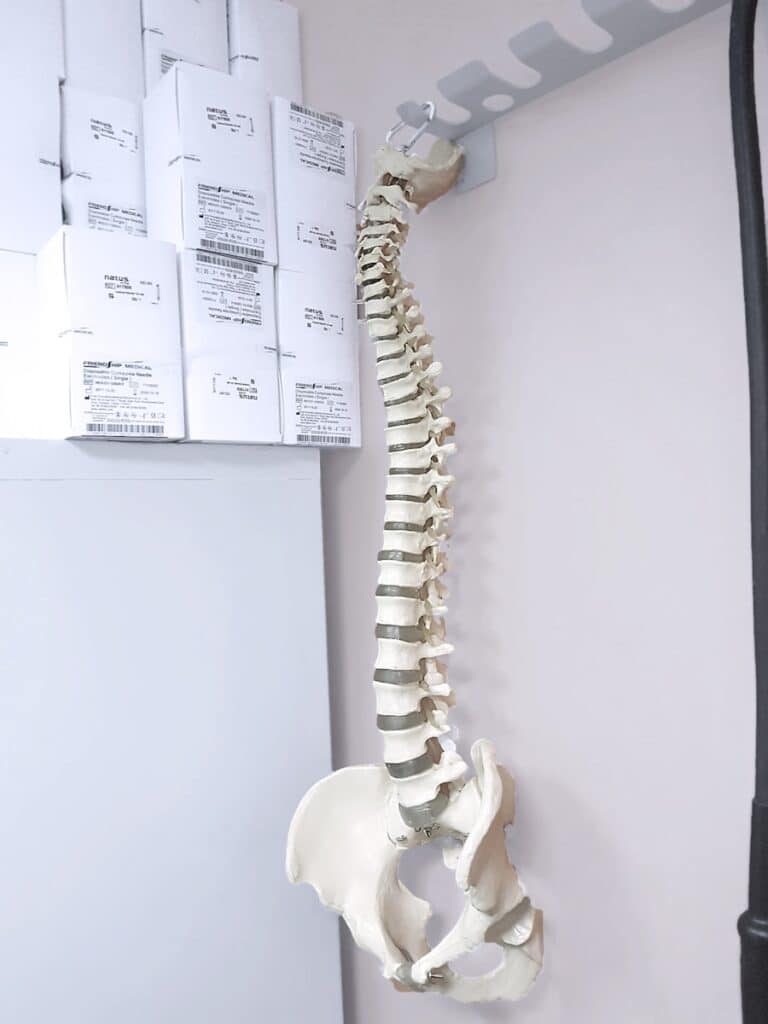
Osteoporosis is a condition that affects millions of people worldwide, characterized by a decrease in bone density and an increased risk of fractures. As you age, your bones naturally lose density, but certain factors can accelerate this process. Genetics, hormonal changes, and lifestyle choices all play a significant role in your bone health.
Understanding osteoporosis is crucial for you to take proactive steps in maintaining strong bones throughout your life. The condition often develops silently, meaning you may not realize you have it until a fracture occurs. This makes awareness and education about bone health essential.
Bone health is not just about avoiding fractures; it’s about ensuring that your skeletal system remains robust and resilient. Your bones are living tissues that constantly undergo a process of remodeling, where old bone is broken down and new bone is formed. This balance is vital for maintaining bone density.
When the rate of bone resorption outpaces the formation of new bone, osteoporosis can develop. By understanding the factors that contribute to this imbalance, you can take steps to support your bone health and reduce your risk of developing osteoporosis.
Key Takeaways
- Osteoporosis is a condition characterized by weak and brittle bones, increasing the risk of fractures.
- Lifestyle changes such as regular exercise and quitting smoking can help improve bone health and reduce the risk of osteoporosis.
- Consuming a diet rich in calcium, vitamin D, and other nutrients is essential for maintaining strong and healthy bones.
- Weight-bearing exercises like walking, dancing, and weightlifting can help improve bone strength and density.
- Herbal supplements like calcium, vitamin D, and magnesium, as well as alternative therapies like acupuncture and yoga, can support bone health and overall well-being.
Lifestyle Changes for Stronger Bones
Making lifestyle changes is one of the most effective ways to strengthen your bones and prevent osteoporosis. One of the first steps you can take is to quit smoking if you currently smoke. Research has shown that smoking can lead to decreased bone density and increase the risk of fractures.
Additionally, limiting alcohol consumption is essential; excessive drinking can interfere with the body’s ability to absorb calcium, a critical mineral for bone health. By adopting healthier habits, you can create a solid foundation for your bones. Incorporating regular physical activity into your daily routine is another vital lifestyle change.
Engaging in weight-bearing exercises, such as walking, jogging, or dancing, can significantly enhance your bone strength. These activities force your bones to work against gravity, stimulating the production of new bone tissue. Furthermore, maintaining a healthy weight is crucial; being underweight can increase the risk of fractures, while being overweight can put additional stress on your bones.
By focusing on a balanced lifestyle that includes physical activity and healthy habits, you can promote stronger bones and overall well-being.
Dietary Strategies for Bone Health

Your diet plays a pivotal role in maintaining strong bones. Calcium and vitamin D are two essential nutrients that are particularly important for bone health. Calcium is the primary mineral found in bones, and ensuring you get enough of it through your diet is crucial.
Dairy products like milk, cheese, and yogurt are excellent sources of calcium, but if you are lactose intolerant or prefer plant-based options, leafy greens, almonds, and fortified plant milks can also provide adequate amounts. Vitamin D is equally important as it helps your body absorb calcium effectively. You can obtain vitamin D through sun exposure, but dietary sources such as fatty fish, egg yolks, and fortified foods are also beneficial.
If you find it challenging to get enough vitamin D from food or sunlight, consider discussing supplementation with your healthcare provider. A well-rounded diet rich in these nutrients will not only support your bone health but also contribute to your overall vitality.
Weight-Bearing Exercises for Bone Strength
Engaging in weight-bearing exercises is one of the most effective strategies for building and maintaining strong bones. These exercises include activities that make you work against gravity while staying upright. Walking, running, dancing, and even climbing stairs are excellent examples of weight-bearing exercises that can help stimulate bone formation.
When you participate in these activities regularly, you encourage your bones to become denser and stronger. In addition to traditional weight-bearing exercises, resistance training can also be beneficial for your bones. Lifting weights or using resistance bands helps to build muscle mass, which in turn supports your skeletal system.
Strong muscles provide better support for your bones and reduce the risk of falls and fractures. Aim for at least 30 minutes of weight-bearing exercise most days of the week to maximize the benefits for your bone health.
Herbal and Supplement Options for Bone Support
In addition to dietary changes and exercise, certain herbs and supplements may offer additional support for your bone health. For instance, herbal remedies like red clover and alfalfa have been studied for their potential benefits in promoting bone density. These herbs contain phytoestrogens that may help balance hormones related to bone health, particularly in postmenopausal women.
Calcium and vitamin D supplements are also widely recommended for those who struggle to meet their nutritional needs through diet alone. However, it’s essential to consult with a healthcare professional before starting any new supplement regimen. They can help determine the appropriate dosages based on your individual needs and ensure that there are no contraindications with any medications you may be taking.
Mind-Body Practices for Bone Health

Enhancing Bone Integrity
These practices focus on balance, flexibility, and strength—qualities that are essential for maintaining bone integrity as you age. Yoga poses that emphasize weight-bearing positions can help stimulate bone growth while improving posture and balance.
Tai Chi for Older Adults
Tai chi is particularly beneficial for older adults as it combines gentle movements with mindfulness, reducing the risk of falls—a common concern for those with weakened bones.
Cultivating Holistic Well-being
By incorporating these mind-body practices into your routine, you not only support your skeletal system but also cultivate mental clarity and emotional resilience.
Alternative Therapies for Osteoporosis
Exploring alternative therapies can provide additional avenues for supporting bone health alongside conventional treatments. Acupuncture has gained popularity as a complementary therapy that may help alleviate pain associated with osteoporosis-related fractures or discomfort. Some studies suggest that acupuncture may improve circulation and promote healing in affected areas.
Another alternative approach is chiropractic care, which focuses on spinal alignment and overall musculoskeletal health. Regular chiropractic adjustments may help improve posture and reduce strain on the spine, potentially benefiting those with osteoporosis. As with any alternative therapy, it’s essential to consult with a qualified practitioner who understands your specific needs and medical history.
Integrating Natural Bone Strengthening Methods into Your Routine
Integrating natural methods for strengthening your bones into your daily routine doesn’t have to be overwhelming; small changes can lead to significant improvements over time. Start by assessing your current lifestyle habits—identify areas where you can make adjustments to enhance your bone health. For instance, if you’re not currently exercising regularly, consider setting aside time each week for weight-bearing activities or joining a local class focused on yoga or tai chi.
Incorporate nutrient-rich foods into your meals by planning balanced diets that include plenty of calcium and vitamin D sources. You might find it helpful to keep a food diary to track your intake of these essential nutrients. Additionally, consider setting reminders to take any supplements recommended by your healthcare provider.
Lastly, remember that consistency is key when it comes to building strong bones. By making gradual changes and sticking with them over time, you’ll create a sustainable routine that supports not only your bone health but also your overall quality of life. Embrace this journey towards stronger bones with patience and determination; every small step counts toward achieving lasting results in your health and well-being.
If you are interested in learning more about natural ways to strengthen your bones, you may want to check out the article Natural Beauty in a Woman on Health Nutrition Supplements. This article discusses the importance of incorporating natural supplements and beauty products into your routine to enhance your overall health and well-being. By focusing on natural solutions, you can support your body’s natural processes and promote long-term bone health.
FAQs
What are some natural alternatives to Boniva for strengthening bones?
Some natural alternatives to Boniva for strengthening bones include increasing calcium and vitamin D intake through diet and supplements, engaging in weight-bearing exercises, and consuming foods rich in bone-strengthening nutrients such as magnesium, potassium, and vitamin K.
What are some dietary sources of calcium and vitamin D?
Dietary sources of calcium include dairy products such as milk, cheese, and yogurt, as well as leafy green vegetables, tofu, and fortified foods. Vitamin D can be obtained from fatty fish, egg yolks, fortified dairy products, and exposure to sunlight.
What are weight-bearing exercises and how do they help strengthen bones?
Weight-bearing exercises are activities that force you to work against gravity, such as walking, jogging, dancing, and weightlifting. These exercises help strengthen bones by stimulating the production of new bone tissue and improving bone density.
What are some foods rich in bone-strengthening nutrients?
Foods rich in bone-strengthening nutrients include leafy green vegetables, nuts and seeds, dairy products, fish, and fruits such as oranges and strawberries. These foods provide essential nutrients such as magnesium, potassium, and vitamin K, which are important for bone health.
Are there any potential risks or side effects associated with natural alternatives to Boniva?
While natural alternatives to Boniva are generally safe, it’s important to consult with a healthcare professional before making any significant changes to your diet or exercise routine. Some supplements may interact with medications or have potential side effects, so it’s important to seek professional guidance.