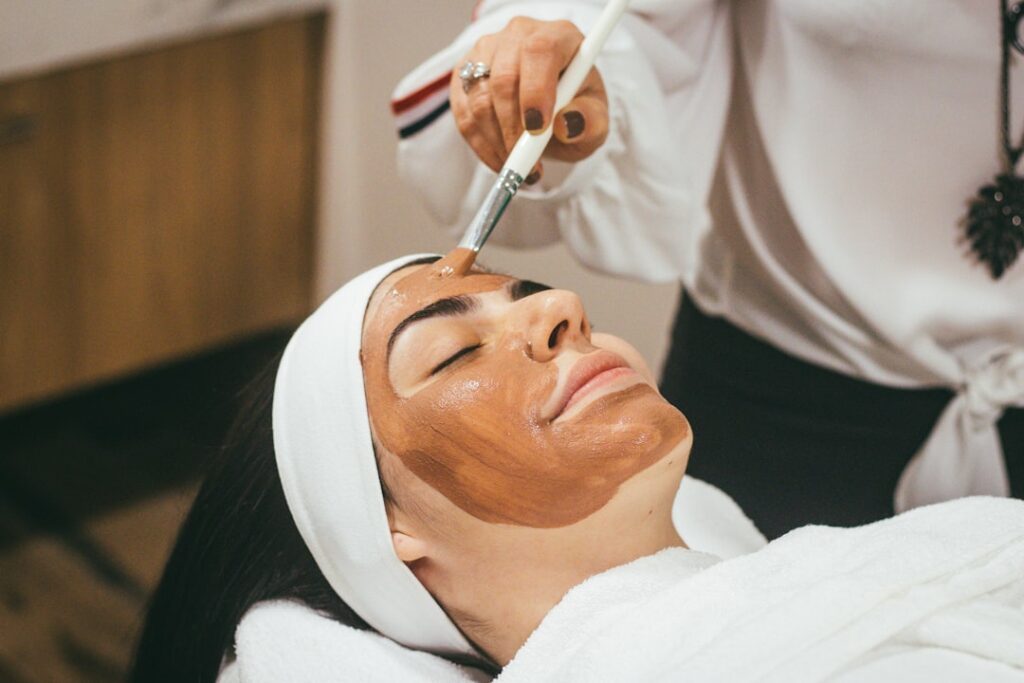
As you navigate through the journey of life, the inevitability of aging becomes apparent, often manifesting in the form of fine lines and wrinkles. These changes can be a source of concern for many, prompting a quest for effective wrinkle reduction methods. The desire to maintain a youthful appearance is not merely about vanity; it reflects a deeper yearning for vitality and confidence.
In a world where first impressions matter, the pursuit of smoother skin has led to a myriad of treatments and products designed to combat the signs of aging. Understanding the science behind wrinkle formation is crucial in your quest for reduction. Wrinkles develop due to a combination of factors, including the natural aging process, sun exposure, and lifestyle choices.
As you age, your skin loses collagen and elastin, two proteins essential for maintaining skin’s firmness and elasticity. Additionally, environmental factors such as pollution and UV radiation can accelerate this process. With this knowledge, you can make informed decisions about the various options available to you, ranging from medical interventions to natural remedies.
Key Takeaways
- Botox is a popular wrinkle reduction treatment, but it comes with risks and limitations that should be carefully considered.
- Non-invasive treatments such as laser therapy and microdermabrasion offer effective alternatives to Botox with fewer risks and limitations.
- Natural and holistic approaches to wrinkle reduction, such as facial exercises and acupuncture, can complement traditional treatments for a comprehensive approach to anti-aging.
- Advanced skincare ingredients like retinoids and peptides have been shown to effectively reduce wrinkles and improve skin texture when used consistently.
- Lifestyle changes, including adequate hydration, sun protection, and a healthy diet, play a crucial role in preventing and reducing wrinkles, complementing other wrinkle reduction treatments.
The Risks and Limitations of Botox
Botox has become synonymous with wrinkle reduction in recent years, often hailed as a miracle solution for those seeking immediate results. However, while it may offer a quick fix, it is essential to consider the risks and limitations associated with this popular treatment. As you contemplate Botox injections, you should be aware that they are not without potential side effects.
Common reactions include bruising, swelling, and even temporary muscle weakness in the treated area. In rare cases, more severe complications can arise, such as difficulty swallowing or breathing. Moreover, Botox is not a permanent solution.
The effects typically last three to six months, necessitating repeat treatments to maintain your desired appearance. This ongoing commitment can become costly over time and may lead to a cycle of dependency on the treatment. Additionally, some individuals may develop antibodies against the botulinum toxin, rendering the treatment less effective or ineffective altogether.
As you weigh your options, it is crucial to consider these factors and explore alternative methods that may align better with your long-term goals.
Cutting-Edge Non-Invasive Treatments

In recent years, the landscape of wrinkle reduction has evolved significantly, with cutting-edge non-invasive treatments gaining popularity. These innovative procedures offer promising results without the need for surgery or extensive downtime. One such treatment is laser therapy, which utilizes focused light energy to stimulate collagen production and improve skin texture.
As you explore this option, you may find that laser treatments can effectively target fine lines and wrinkles while promoting overall skin rejuvenation. Another exciting development in non-invasive wrinkle reduction is the use of radiofrequency technology. This method involves delivering heat energy deep into the skin layers, encouraging collagen remodeling and tightening sagging skin.
Many individuals appreciate that these treatments often require minimal recovery time and can be tailored to suit various skin types and concerns. As you consider these advanced options, it’s essential to consult with a qualified practitioner who can guide you through the process and help you achieve optimal results.
Natural and Holistic Approaches to Wrinkle Reduction
If you prefer a more natural approach to wrinkle reduction, there are numerous holistic methods that can complement your skincare routine. Embracing natural ingredients can be both effective and gentle on your skin. For instance, essential oils such as frankincense and rosehip oil are known for their rejuvenating properties.
Incorporating these oils into your daily regimen may help improve skin elasticity and reduce the appearance of fine lines. Additionally, practices such as facial massage and gua sha can enhance blood circulation and promote lymphatic drainage, contributing to a more youthful complexion. These techniques not only provide physical benefits but also offer a moment of relaxation in your busy life.
By integrating these holistic approaches into your routine, you can cultivate a sense of well-being while working towards smoother skin.
Advanced Skincare Ingredients for Wrinkle Reduction
The skincare industry is constantly evolving, with new ingredients emerging that promise to combat wrinkles effectively. As you delve into the world of advanced skincare formulations, keep an eye out for powerful ingredients like retinoids, peptides, and hyaluronic acid. Retinoids are derived from vitamin A and are renowned for their ability to accelerate cell turnover and stimulate collagen production.
Incorporating retinoids into your nighttime routine can lead to noticeable improvements in skin texture over time. Peptides are another exciting addition to your skincare arsenal. These small chains of amino acids play a vital role in signaling your skin to produce more collagen and elastin.
When applied topically, peptides can help firm and plump the skin, reducing the appearance of wrinkles. Hyaluronic acid, known for its exceptional hydrating properties, can also be a game-changer in your quest for youthful skin. By attracting moisture to the skin’s surface, hyaluronic acid helps maintain elasticity and suppleness.
Lifestyle Changes for Wrinkle Prevention
Here is the rewritten text with 3-4 Wrinkle reduction can be achieved through various treatments, but adopting certain lifestyle changes can have a significant impact on your skin’s health and appearance over time.
### Protect Your Skin from the Sun
UV radiation is one of the leading causes of premature aging, so wearing sunscreen daily—even on cloudy days—is essential. Look for broad-spectrum formulas with an SPF of at least 30 to shield your skin from harmful rays.
### Exercise for Healthy Skin
In addition to sun protection, consider incorporating regular exercise into your routine. Physical activity promotes healthy blood circulation, delivering essential nutrients to your skin while flushing out toxins.
### Reduce Stress for Youthful Skin
Moreover, exercise can help reduce stress levels—another factor that contributes to premature aging. By making these lifestyle adjustments, you not only enhance your overall well-being but also create an environment conducive to youthful skin.
The Role of Nutrition in Anti-Aging
Your diet plays a pivotal role in how your skin ages over time. As you strive for wrinkle reduction, focusing on nutrient-rich foods can provide your body with the tools it needs to maintain healthy skin. Antioxidant-rich fruits and vegetables—such as berries, spinach, and sweet potatoes—help combat oxidative stress caused by free radicals, which can accelerate aging.
Incorporating healthy fats into your diet is equally important for maintaining skin elasticity. Foods rich in omega-3 fatty acids—like salmon, walnuts, and flaxseeds—can help keep your skin hydrated and supple. Additionally, staying well-hydrated by drinking plenty of water throughout the day is crucial for maintaining skin moisture levels.
By making conscious dietary choices, you empower yourself to support your skin’s health from within.
Future Trends in Wrinkle Reduction Technology
As technology continues to advance at an unprecedented pace, the future of wrinkle reduction holds exciting possibilities. Researchers are exploring innovative approaches that combine artificial intelligence with personalized skincare solutions. Imagine a world where algorithms analyze your unique skin profile and recommend tailored treatments based on your specific needs.
Moreover, developments in regenerative medicine may pave the way for groundbreaking therapies that harness the body’s natural healing processes to combat wrinkles effectively. Techniques such as stem cell therapy and exosome treatments are being investigated for their potential to rejuvenate aging skin at a cellular level. As these trends unfold, you can look forward to an array of options that prioritize safety and efficacy in wrinkle reduction.
In conclusion, navigating the world of wrinkle reduction requires careful consideration of various methods available today. Whether you opt for medical interventions like Botox or explore natural remedies and lifestyle changes, understanding the risks and benefits associated with each approach will empower you to make informed decisions about your skincare journey. Embrace this opportunity to invest in yourself—your skin will thank you for it!
If you are interested in exploring innovative alternatives for wrinkle reduction beyond Botox, you may also want to consider the importance of nutrition for overall health. According to this article, nutrition plays a crucial role in maintaining healthy skin and preventing premature aging. By focusing on a diet rich in antioxidants, vitamins, and minerals, you can support your skin’s natural elasticity and reduce the appearance of wrinkles. Additionally, incorporating regular exercise, as discussed in this article, can further enhance the benefits of your skincare routine.
FAQs
What are some innovative alternatives to Botox for wrinkle reduction?
Some innovative alternatives to Botox for wrinkle reduction include dermal fillers, laser treatments, microdermabrasion, chemical peels, and radiofrequency treatments.
How do dermal fillers work for wrinkle reduction?
Dermal fillers work by adding volume to the skin, filling in wrinkles and fine lines. They can also stimulate collagen production for long-term wrinkle reduction.
What are the benefits of laser treatments for wrinkle reduction?
Laser treatments can improve skin texture, stimulate collagen production, and reduce the appearance of wrinkles and fine lines. They can also target specific areas of concern with precision.
How does microdermabrasion help reduce wrinkles?
Microdermabrasion exfoliates the outer layer of the skin, promoting the growth of new, smoother skin. This can reduce the appearance of wrinkles and fine lines over time.
What are the advantages of chemical peels for wrinkle reduction?
Chemical peels can improve skin tone and texture, reduce the appearance of wrinkles, and stimulate collagen production. They can also address sun damage and pigmentation issues.
How does radiofrequency treatment work for wrinkle reduction?
Radiofrequency treatments use energy to heat the deeper layers of the skin, stimulating collagen production and tightening the skin. This can reduce the appearance of wrinkles and improve skin firmness.