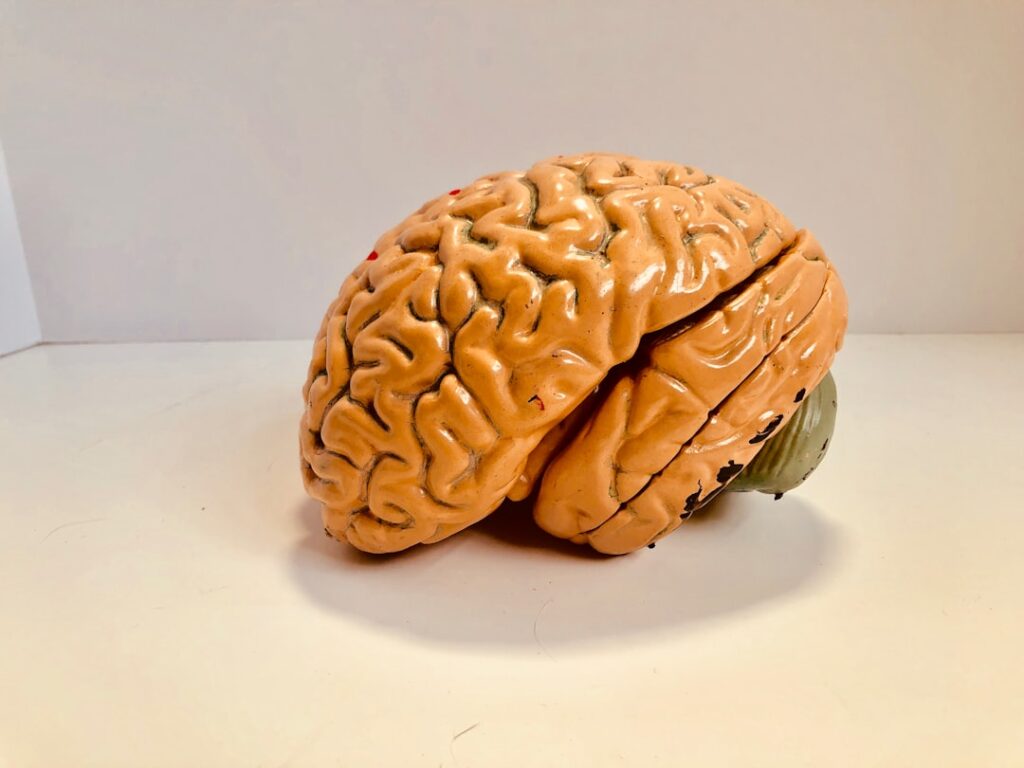
Attention Deficit Hyperactivity Disorder (ADHD) is a neurodevelopmental condition that affects both children and adults, characterized by symptoms such as inattention, hyperactivity, and impulsivity. If you or someone you know has been diagnosed with ADHD, it’s essential to understand how this condition manifests and the various treatment options available. ADHD can significantly impact daily life, affecting academic performance, work productivity, and interpersonal relationships.
The symptoms can vary widely from person to person, making it crucial to tailor treatment approaches to individual needs. Strattera, or atomoxetine, is a non-stimulant medication commonly prescribed for managing ADHD. Unlike traditional stimulant medications, which work by increasing dopamine levels in the brain, Strattera functions by selectively inhibiting the reuptake of norepinephrine.
This unique mechanism can be particularly beneficial for individuals who may not respond well to stimulants or who experience undesirable side effects from them. Understanding how Strattera works can help you make informed decisions about your treatment options and set realistic expectations regarding its effectiveness.
Key Takeaways
- ADHD is a neurodevelopmental disorder that affects both children and adults, causing difficulties with attention, hyperactivity, and impulsivity.
- Strattera is a non-stimulant medication commonly used to treat ADHD, but it has limitations and potential side effects that should be considered.
- Natural alternatives for focus and concentration include regular exercise, adequate sleep, and mindfulness practices such as meditation and yoga.
- Dietary and lifestyle changes, such as reducing sugar and processed foods, and creating a structured routine, can help manage ADHD symptoms.
- Cognitive behavioral therapy (CBT) can be an effective treatment for ADHD, helping individuals develop coping strategies and improve executive functioning skills.
The Limitations and Side Effects of Strattera
While Strattera can be an effective treatment for many individuals with ADHD, it is not without its limitations and potential side effects. One of the most significant drawbacks is that it may take several weeks to notice its full effects. This delayed response can be frustrating for those seeking immediate relief from their symptoms.
Additionally, Strattera may not be suitable for everyone; some individuals may find that it does not adequately address their symptoms or that they experience intolerable side effects. Common side effects of Strattera include fatigue, decreased appetite, nausea, and dry mouth. These side effects can vary in intensity and duration from person to person.
For some, they may diminish over time as the body adjusts to the medication, while others may find them persistent and disruptive to daily life. It’s essential to maintain open communication with your healthcare provider about any side effects you experience, as they can help you navigate these challenges and determine whether adjustments to your treatment plan are necessary.
Natural Alternatives for Focus and Concentration

If you are seeking alternatives to medication for managing ADHD symptoms, there are several natural options that may help improve focus and concentration. One popular approach is the use of behavioral strategies, such as creating structured routines and breaking tasks into smaller, manageable steps. These techniques can help you stay organized and focused on your goals without relying solely on medication.
Another natural alternative involves incorporating physical activity into your daily routine. Exercise has been shown to have a positive impact on attention and cognitive function. Engaging in regular physical activity can help release endorphins, which improve mood and reduce stress levels.
Whether it’s a brisk walk, a dance class, or a team sport, finding an activity you enjoy can make it easier to stay consistent and reap the benefits for your focus and concentration.
Dietary and Lifestyle Changes for Managing ADHD
Your diet and lifestyle choices can significantly influence your ability to manage ADHD symptoms effectively. Research suggests that certain dietary changes may help improve focus and reduce hyperactivity. For instance, incorporating omega-3 fatty acids found in fish like salmon or walnuts can support brain health and cognitive function.
Additionally, reducing sugar intake and avoiding processed foods may help stabilize energy levels and minimize mood swings. Lifestyle changes also play a crucial role in managing ADHD symptoms. Establishing a consistent sleep schedule is vital for maintaining optimal cognitive function.
Lack of sleep can exacerbate symptoms of inattention and impulsivity, making it essential to prioritize rest. Furthermore, creating a calm and organized environment can help reduce distractions and improve focus. Simple changes like decluttering your workspace or using tools like planners can make a significant difference in your daily productivity.
Cognitive Behavioral Therapy for ADHD
Cognitive Behavioral Therapy (CBT) is a therapeutic approach that has gained recognition for its effectiveness in managing ADHD symptoms. If you are struggling with impulsivity or difficulty focusing, CBT can provide you with practical strategies to address these challenges. This form of therapy focuses on identifying negative thought patterns and replacing them with more constructive ones, helping you develop healthier coping mechanisms.
Through CBT, you can learn skills such as time management, organization, and problem-solving techniques tailored to your specific needs. Working with a trained therapist allows you to explore the underlying issues contributing to your ADHD symptoms while also equipping you with tools to navigate daily challenges more effectively. Many individuals find that combining CBT with medication or other treatment modalities enhances their overall management of ADHD.
Herbal and Nutritional Supplements for ADHD

Supplements with Potential Benefits
Certain supplements have garnered attention for their possible benefits in improving focus and reducing hyperactivity. For example, magnesium has been linked to improved attention span in some studies, while zinc may play a role in regulating neurotransmitters associated with attention.
Consulting a Healthcare Professional
Before incorporating any supplements into your routine, it’s essential to consult with a healthcare professional. They can help you determine which supplements may be appropriate for your specific situation and ensure that they do not interact negatively with any medications you may be taking.
Supplements as Part of a Comprehensive Treatment Plan
While supplements can offer additional support, they should not replace comprehensive treatment plans that include behavioral strategies and professional guidance.
Mindfulness and Meditation for ADHD Management
Mindfulness practices and meditation have gained popularity as effective tools for managing ADHD symptoms. These techniques encourage you to focus on the present moment, which can help reduce impulsivity and improve attention span. Engaging in mindfulness exercises allows you to cultivate greater awareness of your thoughts and feelings, enabling you to respond more thoughtfully rather than reactively.
Incorporating mindfulness into your daily routine doesn’t have to be time-consuming or complicated. Simple practices such as deep breathing exercises or short meditation sessions can be integrated into your day-to-day life. Over time, these practices can enhance your ability to concentrate and manage stress more effectively, contributing positively to your overall well-being.
Finding the Right Treatment Plan for ADHD
Finding the right treatment plan for managing ADHD is a highly individualized process that requires careful consideration of various factors. It’s essential to work closely with healthcare professionals who understand your unique needs and preferences. This collaborative approach allows you to explore different treatment options—whether medication, therapy, lifestyle changes, or natural alternatives—to determine what works best for you.
As you navigate this journey, remember that patience is key. It may take time to find the right combination of strategies that effectively manage your symptoms. Regular follow-ups with your healthcare provider will enable you to assess progress and make necessary adjustments along the way.
Ultimately, the goal is to empower you with the tools and support needed to thrive despite the challenges posed by ADHD. In conclusion, understanding ADHD and exploring various treatment options—including Strattera—can significantly impact your ability to manage symptoms effectively. By considering natural alternatives, dietary changes, therapy options like CBT, mindfulness practices, and working closely with healthcare professionals, you can create a comprehensive treatment plan tailored specifically to your needs.
Embracing this multifaceted approach will not only enhance your focus and concentration but also improve your overall quality of life as you navigate the complexities of living with ADHD.
If you are interested in exploring more options for improving focus and concentration beyond Strattera, you may want to check out the article on scientific evidence supporting the effectiveness of alternative supplements. This article delves into the research behind various vitamins and supplements that have shown promise in enhancing cognitive function. It provides valuable insights into natural alternatives that may complement or even replace traditional medications for ADHD.
FAQs
What is ADHD?
ADHD stands for Attention Deficit Hyperactivity Disorder, a neurodevelopmental disorder that affects both children and adults. It is characterized by symptoms such as inattention, hyperactivity, and impulsivity.
What is Strattera?
Strattera is a medication commonly prescribed to treat ADHD. It is a non-stimulant medication that works by affecting the chemicals in the brain that contribute to impulse control and hyperactivity.
What are some alternatives to Strattera for focus and concentration?
Some alternatives to Strattera for focus and concentration include stimulant medications such as Adderall, Ritalin, and Vyvanse. Non-medication alternatives may include behavioral therapy, lifestyle changes, and dietary adjustments.
Are there natural remedies for ADHD?
Some natural remedies for ADHD may include dietary changes, such as eliminating artificial additives and sugar, increasing omega-3 fatty acids, and incorporating regular exercise and mindfulness practices. However, it is important to consult with a healthcare professional before trying any natural remedies.
What are the potential side effects of Strattera?
Common side effects of Strattera may include nausea, vomiting, constipation, and decreased appetite. More serious side effects may include increased heart rate, high blood pressure, and liver problems. It is important to discuss potential side effects with a healthcare provider before starting Strattera.