
Actonel, known generically as risedronate, is a medication commonly prescribed to treat and prevent osteoporosis, particularly in postmenopausal women. As you delve into the world of osteoporosis treatment, it’s essential to understand how Actonel works. This medication belongs to a class of drugs called bisphosphonates, which function by inhibiting the activity of osteoclasts—cells responsible for bone resorption.
By slowing down the breakdown of bone, Actonel helps maintain or even increase bone density, reducing the risk of fractures. However, like any medication, Actonel comes with its own set of potential side effects. Some individuals may experience gastrointestinal issues such as nausea, abdominal pain, or heartburn.
These symptoms can be bothersome and may lead you to reconsider your treatment options. In rare cases, more severe side effects can occur, including osteonecrosis of the jaw or atypical femur fractures. It’s crucial to weigh the benefits of taking Actonel against these risks and to discuss any concerns with your healthcare provider.
Understanding these potential side effects can empower you to make informed decisions about your bone health.
Key Takeaways
- Actonel is a medication used to treat and prevent osteoporosis, but it may have potential side effects such as stomach upset, difficulty swallowing, and bone, joint, or muscle pain.
- Natural dietary and lifestyle changes, such as consuming calcium-rich foods, getting enough vitamin D from sunlight, and avoiding smoking and excessive alcohol, can support bone health.
- Weight-bearing exercises like walking, dancing, and weightlifting can help improve bone strength and reduce the risk of fractures.
- Alternative medications for osteoporosis, such as Fosamax and Boniva, may be considered if Actonel is not suitable or well-tolerated.
- Herbal supplements like red clover, horsetail, and black cohosh may play a role in promoting bone density, but their effectiveness and safety should be discussed with a healthcare professional.
- Vitamin D and calcium are essential for bone health, and it’s important to ensure adequate intake through diet, supplements, and sunlight exposure.
- Mind-body practices like yoga, tai chi, and meditation can help reduce stress, which is beneficial for bone health.
- Consulting with a healthcare professional is crucial for personalized bone health recommendations, including medication options, dietary changes, exercise plans, and supplement use.
Natural dietary and lifestyle changes to support bone health
In addition to medications like Actonel, you can significantly enhance your bone health through natural dietary and lifestyle changes. A well-balanced diet rich in essential nutrients is fundamental for maintaining strong bones. Incorporating foods high in calcium and vitamin D is particularly important.
Dairy products, leafy greens, and fortified foods can provide the calcium your bones need, while fatty fish and egg yolks are excellent sources of vitamin D. By focusing on a nutrient-dense diet, you can create a solid foundation for your bone health. Lifestyle changes also play a pivotal role in supporting your bones.
Quitting smoking and limiting alcohol consumption can have a positive impact on bone density. Smoking has been linked to decreased bone mass, while excessive alcohol intake can interfere with calcium absorption and hormone levels that regulate bone health. Additionally, ensuring you get adequate sunlight exposure can help your body produce vitamin D naturally.
By making these dietary and lifestyle adjustments, you can take proactive steps toward maintaining strong bones and reducing your risk of osteoporosis.
Incorporating weight-bearing exercises for bone strength

Engaging in regular weight-bearing exercises is another effective strategy for promoting bone strength. These types of exercises force your bones to work against gravity, stimulating bone formation and increasing density. Activities such as walking, jogging, dancing, and resistance training are excellent choices that can be easily integrated into your routine.
Exploring alternative medications for osteoporosis
While Actonel is a popular choice for treating osteoporosis, it’s not the only option available. If you find that this medication isn’t suitable for you due to side effects or personal preferences, there are several alternative medications worth exploring. Other bisphosphonates like alendronate (Fosamax) or ibandronate (Boniva) may offer similar benefits with different dosing schedules or side effect profiles.
Additionally, newer medications such as denosumab (Prolia) and teriparatide (Forteo) provide alternative mechanisms for increasing bone density. When considering alternative medications, it’s essential to have an open dialogue with your healthcare provider. They can help you weigh the pros and cons of each option based on your specific health needs and lifestyle factors.
Exploring these alternatives can empower you to find a treatment plan that aligns with your goals for bone health while minimizing potential side effects.
Herbal supplements and their role in promoting bone density
Herbal supplements have gained popularity as natural alternatives for supporting bone health. Many individuals are turning to these options in conjunction with traditional treatments like Actonel or as standalone therapies. Some herbs, such as red clover and black cohosh, have been studied for their potential benefits in promoting bone density, particularly in postmenopausal women.
These herbs contain phytoestrogens that may help mitigate the decline in estrogen levels associated with menopause, which is a significant factor in osteoporosis development. However, it’s crucial to approach herbal supplements with caution. Not all supplements are created equal, and their efficacy can vary widely based on quality and dosage.
Before incorporating any herbal remedies into your routine, consult with a healthcare professional who can guide you on safe options and potential interactions with other medications you may be taking. By doing so, you can make informed choices that support your bone health without compromising your overall well-being.
The importance of vitamin D and calcium in bone health
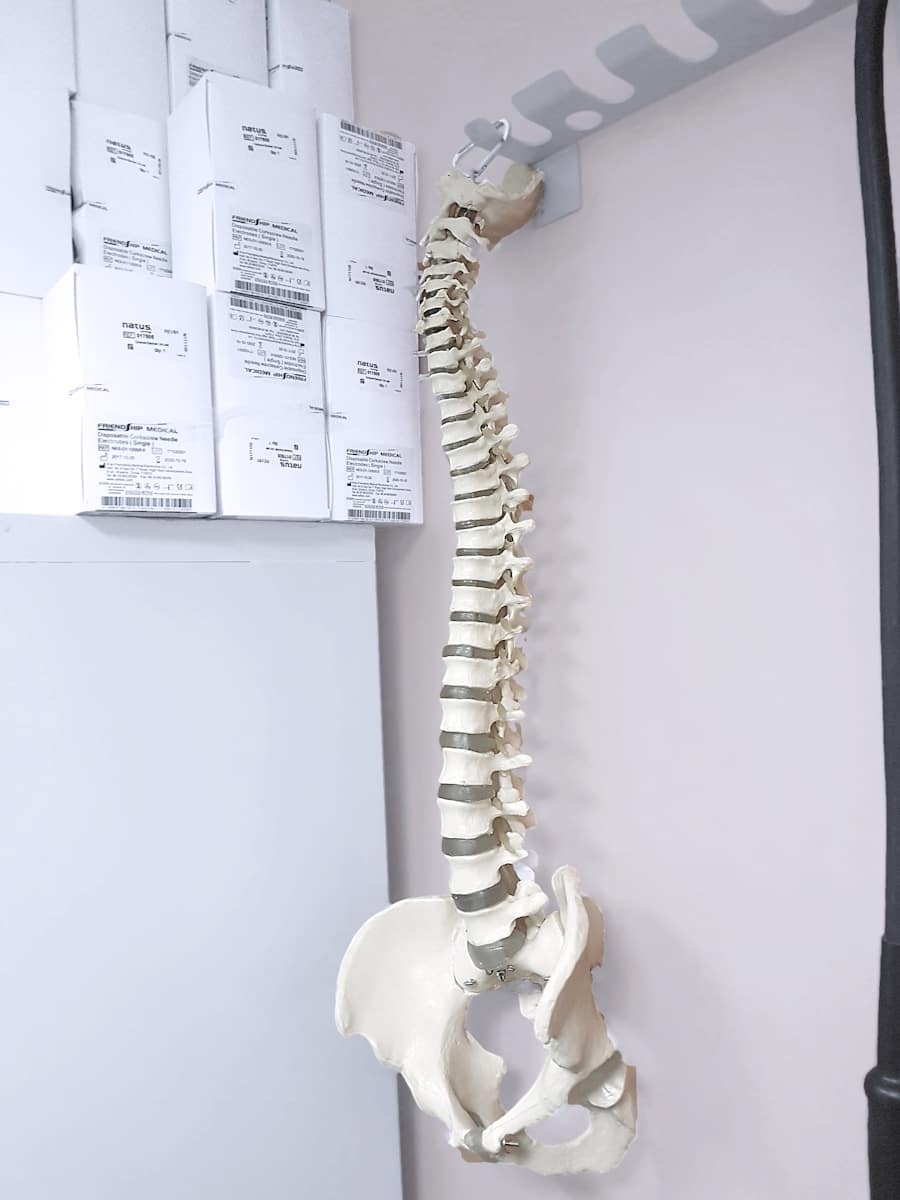
Vitamin D and calcium are two essential nutrients that play a crucial role in maintaining optimal bone health.>
### Calcium: The Building Block of Bones
Calcium is a primary building block of bone tissue, and without adequate calcium intake, bones can become weak and brittle over time. Adults typically require about 1,000 mg of calcium daily, increasing to 1,200 mg for women over 50 and men over 70. Incorporating calcium-rich foods into your diet, such as dairy products, almonds, tofu, and leafy greens, can help ensure you meet these requirements.
### The Importance of Vitamin D in Calcium Absorption
Vitamin D plays a crucial role in calcium absorption; without sufficient vitamin D levels, your body cannot effectively utilize the calcium consumed through diet or supplements. Sunlight exposure is one of the best natural sources of vitamin D; however, factors such as geographic location, skin tone, and sunscreen use can affect how much vitamin D your body produces.
### Prioritizing Calcium and Vitamin D for Optimal Bone Health
For those who may not get enough sun exposure or have difficulty absorbing vitamin D from food sources, supplementation may be necessary. By prioritizing both calcium and vitamin D in your diet, you’ll be taking significant steps toward bolstering your bone health.
Mind-body practices for stress reduction and bone health
Stress management is often overlooked when discussing bone health; however, it plays a vital role in overall well-being. Chronic stress can lead to hormonal imbalances that negatively impact bone density over time. Engaging in mind-body practices such as yoga, meditation, or tai chi can help reduce stress levels while promoting relaxation and mindfulness.
These practices not only enhance mental clarity but also encourage physical movement that benefits your bones. Incorporating these mind-body techniques into your daily routine can create a holistic approach to maintaining bone health. For instance, yoga not only improves flexibility and balance but also strengthens muscles that support the skeletal system.
Meditation can help lower cortisol levels—hormones that can contribute to bone loss when elevated over prolonged periods. By prioritizing stress reduction through these practices, you’ll be fostering an environment conducive to better bone health.
Consulting with a healthcare professional for personalized bone health recommendations
As you navigate the complexities of maintaining strong bones, consulting with a healthcare professional is paramount. A doctor or specialist can provide personalized recommendations based on your unique health history, lifestyle factors, and specific needs regarding osteoporosis prevention or treatment. They can help assess your risk factors for osteoporosis through comprehensive evaluations that may include bone density tests or blood work.
Moreover, healthcare professionals can guide you through the myriad of treatment options available—whether it’s medication adjustments or lifestyle changes—ensuring that you have a tailored plan that aligns with your goals for bone health. Open communication with your healthcare provider allows you to address any concerns or questions you may have about your treatment plan or lifestyle modifications. By taking this proactive approach to your bone health journey, you’ll be better equipped to make informed decisions that support long-term wellness.
In conclusion, understanding osteoporosis treatment options like Actonel is just one piece of the puzzle when it comes to maintaining strong bones. By embracing natural dietary changes, engaging in weight-bearing exercises, exploring alternative medications and herbal supplements, prioritizing essential nutrients like vitamin D and calcium, practicing stress reduction techniques, and consulting with healthcare professionals for personalized guidance, you can take comprehensive steps toward enhancing your bone health for years to come.
If you are interested in learning more about choosing the right supplements for your needs, check out this informative article