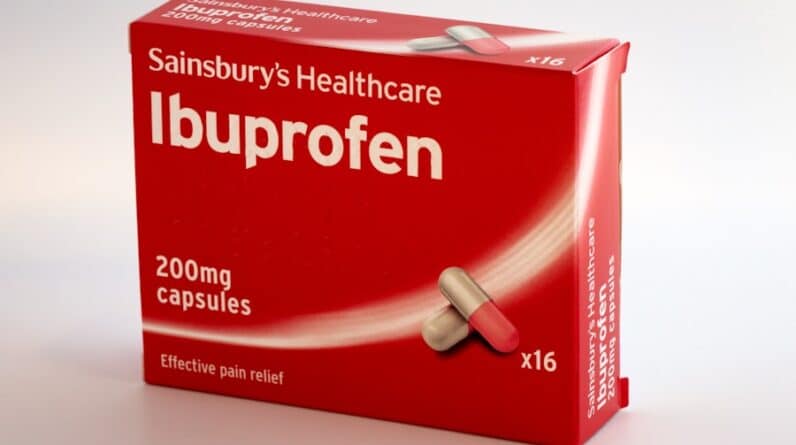
Lipitor, known generically as atorvastatin, is a medication widely prescribed to help lower cholesterol levels in the blood. As a member of the statin class of drugs, it works by inhibiting an enzyme in the liver responsible for producing cholesterol. By doing so, Lipitor effectively reduces low-density lipoprotein (LDL) cholesterol, often referred to as “bad” cholesterol, while simultaneously increasing high-density lipoprotein (HDL) cholesterol, or “good” cholesterol.
This dual action makes it a popular choice among healthcare providers for managing hyperlipidemia and reducing the risk of cardiovascular diseases. However, like any medication, Lipitor is not without its side effects. Some individuals may experience muscle pain or weakness, which can be concerning and may lead to discontinuation of the drug.
Other common side effects include digestive issues such as nausea, diarrhea, and abdominal pain. In rare cases, more severe side effects can occur, including liver damage and an increased risk of diabetes. It’s essential to be aware of these potential adverse effects and to communicate any concerns with your healthcare provider.
Understanding how Lipitor works and its possible side effects can empower you to make informed decisions about your health.
Key Takeaways
- Lipitor is a commonly prescribed medication for lowering cholesterol, but it may come with side effects such as muscle pain and liver problems.
- Natural alternatives to Lipitor include dietary changes, regular exercise, and stress management techniques.
- Lowering cholesterol can be achieved through dietary and lifestyle changes such as reducing saturated fat intake and increasing fiber consumption.
- Herbal remedies and supplements like garlic, red yeast rice, and fish oil can help manage cholesterol levels, but should be used with caution and under the guidance of a healthcare professional.
- There are prescription medication alternatives to Lipitor, such as statins, bile acid sequestrants, and PCSK9 inhibitors, which may be considered based on individual health needs and preferences.
Exploring Natural Alternatives to Lipitor
If you are hesitant about taking Lipitor or are experiencing side effects, you might be interested in exploring natural alternatives. Many individuals seek out holistic approaches to managing their cholesterol levels, often turning to lifestyle changes and natural supplements. One popular alternative is the use of plant sterols and stanols, which are naturally occurring substances found in certain fruits, vegetables, nuts, and seeds.
These compounds can help block the absorption of cholesterol in the intestines, leading to lower overall cholesterol levels. Another natural alternative gaining traction is red yeast rice. This fermented rice product contains monacolin K, a compound that has a similar structure to lovastatin, a prescription statin.
Research suggests that red yeast rice can effectively lower LDL cholesterol levels. However, it’s crucial to approach this option with caution, as the potency can vary significantly between products, and some may contain harmful contaminants. Always consult with a healthcare professional before trying any natural alternatives to ensure they are safe and appropriate for your specific health needs.
Dietary and Lifestyle Changes for Lowering Cholesterol
Making dietary and lifestyle changes can significantly impact your cholesterol levels and overall heart health. One of the most effective strategies is adopting a heart-healthy diet rich in fruits, vegetables, whole grains, and lean proteins. Foods high in soluble fiber, such as oats, beans, and lentils, can help lower LDL cholesterol by binding to cholesterol in the digestive system and promoting its excretion.
Incorporating healthy fats from sources like avocados, nuts, and olive oil can also support your cholesterol management efforts. In addition to dietary changes, regular physical activity plays a crucial role in maintaining healthy cholesterol levels. Engaging in aerobic exercises such as walking, jogging, cycling, or swimming for at least 150 minutes per week can help raise HDL cholesterol while lowering LDL cholesterol.
Furthermore, maintaining a healthy weight is essential; even modest weight loss can lead to significant improvements in cholesterol levels. By committing to these lifestyle changes, you can take proactive steps toward better heart health and potentially reduce your reliance on medications like Lipitor.
Herbal Remedies and Supplements for Managing Cholesterol
In addition to dietary adjustments and lifestyle changes, various herbal remedies and supplements may assist in managing cholesterol levels. One well-known option is garlic, which has been shown in some studies to have a modest effect on lowering total cholesterol and LDL levels. Garlic supplements are available in various forms, including capsules and extracts, making it easy to incorporate into your daily routine.
Another herbal remedy worth considering is artichoke leaf extract. Research suggests that this extract may help reduce total cholesterol and LDL cholesterol levels by promoting bile production in the liver. Additionally, omega-3 fatty acids found in fish oil have been shown to lower triglycerides and improve overall heart health.
If you’re considering adding herbal remedies or supplements to your regimen, it’s essential to discuss these options with your healthcare provider to ensure they are safe and effective for your individual circumstances.
Prescription Medication Alternatives to Lipitor
If you find that Lipitor is not suitable for you due to side effects or personal preferences, there are several prescription medication alternatives available for managing high cholesterol. Other statins such as simvastatin or rosuvastatin may be prescribed as they have different side effect profiles and potencies. Your healthcare provider can help determine which statin might be more appropriate based on your medical history and specific needs.
Beyond statins, there are non-statin medications that can also effectively lower cholesterol levels. Ezetimibe is one such option that works by reducing the absorption of cholesterol from the intestines. Additionally, PCSK9 inhibitors are a newer class of injectable medications that can significantly lower LDL cholesterol levels for those who have familial hypercholesterolemia or who cannot tolerate statins.
Exploring these alternatives with your healthcare provider can help you find a treatment plan that aligns with your health goals while minimizing potential side effects.
Consulting with a Healthcare Professional for Personalized Advice

Creating a Comprehensive Plan
They can assess your current cholesterol levels, review your medical history, and discuss any medications you may be taking to create a comprehensive plan that addresses your needs.
Exploring Treatment Options
During your consultation, don’t hesitate to ask questions about the various treatment options available to you. Whether you’re interested in medications, natural alternatives, or lifestyle changes, having an open dialogue with your healthcare provider will empower you to make informed decisions about your health.
A Personalized Approach
Remember that managing cholesterol is not a one-size-fits-all approach; what works for one person may not work for another.
Monitoring Cholesterol Levels and Adjusting Treatment Accordingly
Once you’ve embarked on a plan for managing your cholesterol levels—whether through medication, dietary changes, or natural remedies—regular monitoring is essential. Keeping track of your cholesterol levels will help you understand how well your chosen strategies are working and whether adjustments are necessary. Your healthcare provider will likely recommend routine blood tests to measure your lipid profile at regular intervals.
If you find that your cholesterol levels remain elevated despite your efforts or if you experience side effects from medications, it may be time to reassess your treatment plan. This could involve adjusting dosages, switching medications, or incorporating additional lifestyle changes. Staying proactive about monitoring your cholesterol will enable you to take charge of your health and make informed decisions about your treatment options.
Integrating Multiple Strategies for Optimal Cholesterol Management
Achieving optimal cholesterol management often requires an integrated approach that combines various strategies. Relying solely on medication may not be sufficient; instead, consider incorporating dietary changes, regular exercise, herbal remedies, and ongoing consultations with healthcare professionals into your routine. This multifaceted approach not only addresses the immediate concern of high cholesterol but also promotes overall well-being.
By integrating these strategies into your daily life, you can create a sustainable plan that supports long-term heart health. For instance, while taking prescribed medications like Lipitor or its alternatives, you might also focus on meal planning that emphasizes heart-healthy foods or setting fitness goals that encourage regular physical activity. Remember that managing cholesterol is a journey; by combining multiple approaches tailored to your lifestyle and preferences, you can achieve better outcomes and enhance your quality of life.
If you are considering finding a Lipitor alternative, it is important to be aware of the potential side effects and precautions associated with cholesterol-lowering medications. This article on potential side effects and precautions provides valuable information on what to watch out for when exploring alternative options. Additionally, understanding proper nutrition and its role in managing cholesterol levels is crucial. For more insights on this topic, check out the article on what is the proper nutrition. Having a clear understanding of nutrition in simple terms can also help guide you in making informed decisions about your health. Learn more about this in the article on what is nutrition in simple words.
FAQs
What is Lipitor?
Lipitor is a brand-name prescription medication that contains the active ingredient atorvastatin. It belongs to a class of drugs called statins, which are used to lower cholesterol levels in the blood.
Why would someone look for a Lipitor alternative?
Some individuals may seek a Lipitor alternative due to side effects, cost, or lack of effectiveness. It’s important to consult with a healthcare professional before making any changes to medication.
What are some common side effects of Lipitor?
Common side effects of Lipitor may include muscle pain, weakness, and an increase in blood sugar levels. More serious side effects can include liver problems and a rare but serious condition called rhabdomyolysis.
What are some alternatives to Lipitor?
There are several alternatives to Lipitor, including other statin medications such as simvastatin, rosuvastatin, and pravastatin. Non-statin medications like ezetimibe and PCSK9 inhibitors may also be considered.
How can someone find the right Lipitor alternative for them?
Finding the right Lipitor alternative involves consulting with a healthcare professional to discuss individual health needs, risk factors, and potential medication interactions. It’s important to consider factors such as effectiveness, side effects, and cost.