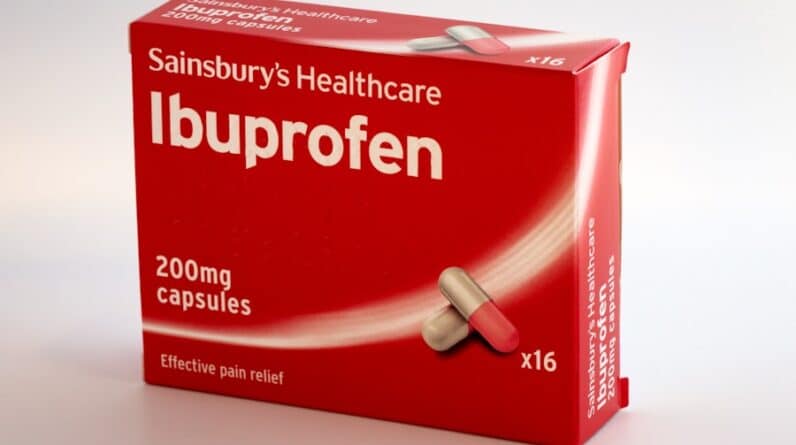
Klonopin, known generically as clonazepam, is a medication that belongs to the benzodiazepine class. It is primarily prescribed for the treatment of anxiety disorders, panic disorders, and certain types of seizures. If you have been prescribed Klonopin, it is essential to understand how it works and its potential effects on your body and mind.
The medication functions by enhancing the effects of a neurotransmitter called gamma-aminobutyric acid (GABA), which plays a crucial role in regulating neuronal excitability throughout the nervous system. By increasing GABA activity, Klonopin can produce a calming effect, helping to alleviate feelings of anxiety and panic. However, while Klonopin can be effective in managing symptoms, it is important to recognize that it is not a long-term solution for anxiety.
Many individuals find themselves relying on the medication for extended periods, which can lead to dependence and tolerance. As you consider your options for managing anxiety, it is vital to weigh the benefits of Klonopin against its potential risks and side effects. Understanding the medication’s role in your treatment plan can empower you to make informed decisions about your mental health.
Key Takeaways
- Klonopin is a prescription medication used to treat anxiety and seizure disorders, but it can be habit-forming and has potential for abuse.
- The dangers of Klonopin include addiction, withdrawal symptoms, and potential for overdose, especially when combined with alcohol or other drugs.
- Natural alternatives to Klonopin include therapy, exercise, and relaxation techniques such as deep breathing and meditation.
- Lifestyle changes for anxiety relief can include regular exercise, healthy eating, and adequate sleep to help manage stress and anxiety.
- Herbal remedies for anxiety, such as chamomile, lavender, and passionflower, can be used as natural supplements to help calm the mind and reduce anxiety symptoms.
- Mind-body practices like yoga, tai chi, and mindfulness meditation can help promote calm and peace, reducing anxiety and stress.
- Dietary changes for anxiety management can include reducing caffeine and sugar intake, and incorporating more whole foods and omega-3 fatty acids for brain health.
- Seeking professional help for anxiety is important, and can include therapy, counseling, and medication management from a qualified healthcare provider.
The Dangers of Klonopin
While Klonopin can provide relief from anxiety symptoms, it is not without its dangers. One of the most significant risks associated with benzodiazepines like Klonopin is the potential for dependence. If you take Klonopin regularly, your body may become accustomed to its effects, leading you to require higher doses to achieve the same level of relief.
This cycle can create a dangerous dependency that may be challenging to break. If you find yourself in this situation, it is crucial to consult with a healthcare professional about tapering off the medication safely. Additionally, Klonopin can cause a range of side effects that may impact your daily life.
Common side effects include drowsiness, dizziness, and impaired coordination, which can affect your ability to perform tasks that require focus and attention. In some cases, individuals may experience more severe reactions, such as memory problems or mood changes. If you notice any unusual symptoms while taking Klonopin, it is essential to discuss them with your doctor promptly.
Being aware of these dangers can help you make more informed choices about your treatment options.
Natural Alternatives to Klonopin
If you are seeking alternatives to Klonopin for managing anxiety, there are several natural options worth exploring. One popular alternative is the use of supplements such as magnesium or omega-3 fatty acids. Magnesium plays a vital role in regulating neurotransmitters and can help promote relaxation and reduce anxiety levels.
Omega-3 fatty acids, found in fish oil, have also been shown to support brain health and may help alleviate symptoms of anxiety and depression. Incorporating these supplements into your daily routine could provide a more holistic approach to managing your mental health. Another natural alternative is the practice of mindfulness meditation.
This technique encourages you to focus on the present moment and cultivate awareness of your thoughts and feelings without judgment. Research has shown that mindfulness meditation can significantly reduce anxiety levels and improve overall emotional well-being. By dedicating just a few minutes each day to this practice, you may find that you can manage anxiety more effectively without relying on medications like Klonopin.
Lifestyle Changes for Anxiety Relief
Making lifestyle changes can significantly impact your ability to manage anxiety effectively. One of the most important changes you can make is to prioritize regular physical activity. Exercise has been shown to release endorphins, which are natural mood lifters that can help reduce feelings of anxiety and stress.
Whether you prefer jogging, yoga, or dancing, finding an activity that you enjoy can make it easier to incorporate exercise into your daily routine. In addition to physical activity, establishing a consistent sleep schedule is crucial for managing anxiety. Lack of sleep can exacerbate feelings of stress and anxiety, making it essential to prioritize rest.
Aim for seven to nine hours of quality sleep each night by creating a calming bedtime routine and minimizing screen time before bed. By making these lifestyle changes, you can create a solid foundation for managing anxiety more effectively.
Herbal Remedies for Anxiety
Herbal remedies have gained popularity as natural alternatives for managing anxiety symptoms. One well-known herb is valerian root, which has been used for centuries as a natural sedative and anxiolytic. Valerian root may help improve sleep quality and reduce feelings of restlessness or anxiety.
If you’re considering trying valerian root, it’s essential to consult with a healthcare professional to determine the appropriate dosage and ensure it won’t interact with any medications you may be taking. Another herbal remedy worth exploring is passionflower. This plant has been shown in some studies to have calming effects and may help reduce anxiety levels without the sedative side effects associated with medications like Klonopin.
You can find passionflower in various forms, including teas, tinctures, and capsules. As with any herbal supplement, it’s crucial to approach these remedies with caution and seek guidance from a healthcare provider before incorporating them into your routine.
Mind-Body Practices for Calm and Peace
Incorporating mind-body practices into your daily routine can be an effective way to cultivate calmness and peace in your life. Techniques such as yoga and tai chi combine physical movement with mindfulness and breath control, promoting relaxation and reducing stress levels. Engaging in these practices regularly can help you develop greater awareness of your body and mind, allowing you to respond more effectively to anxiety triggers.
Breathwork is another powerful mind-body practice that can help alleviate anxiety symptoms. By focusing on your breath and practicing deep breathing techniques, you can activate your body’s relaxation response and reduce feelings of tension and stress. Simple exercises like inhaling deeply through your nose for a count of four, holding for four counts, and exhaling through your mouth for four counts can be done anywhere and at any time when you feel anxious.
By integrating these practices into your life, you may find that you can achieve a greater sense of calm and balance.
Dietary Changes for Anxiety Management
Your diet plays a significant role in your overall mental health and well-being. Certain foods can either exacerbate or alleviate anxiety symptoms, making it essential to pay attention to what you consume. For instance, incorporating whole foods such as fruits, vegetables, whole grains, lean proteins, and healthy fats into your diet can provide essential nutrients that support brain health and emotional stability.
On the other hand, it may be beneficial to limit or avoid processed foods high in sugar and unhealthy fats, as these can contribute to mood swings and increased anxiety levels. Caffeine is another substance that can heighten feelings of anxiety; if you’re sensitive to its effects, consider reducing your intake or switching to herbal teas instead. By making mindful dietary choices, you can create an environment that supports mental clarity and emotional resilience.
Seeking Professional Help for Anxiety
While self-help strategies can be beneficial in managing anxiety, there are times when seeking professional help is necessary. If you find that your anxiety is overwhelming or interfering with your daily life, it may be time to consult with a mental health professional. Therapists or counselors trained in cognitive-behavioral therapy (CBT) can provide valuable tools and techniques for managing anxiety effectively.
In some cases, medication may still be necessary as part of a comprehensive treatment plan. A psychiatrist can evaluate your situation and determine whether medications like Klonopin or other alternatives are appropriate for you. Remember that seeking help is a sign of strength; taking proactive steps toward managing your mental health can lead to significant improvements in your overall quality of life.
In conclusion, understanding Klonopin’s role in treating anxiety is essential for making informed decisions about your mental health care. While it may provide temporary relief from symptoms, being aware of its dangers encourages exploration of natural alternatives and lifestyle changes that promote long-term well-being. By incorporating mind-body practices, dietary adjustments, and seeking professional guidance when needed, you can create a comprehensive approach to managing anxiety that aligns with your values and goals.
If you are interested in exploring natural supplements to support your overall health and well-being, you may want to check out this article on supplements for immune support. This article provides valuable information on how certain supplements can help boost your immune system and keep you healthy. Incorporating supplements into your diet can have numerous benefits, as discussed in this article on the benefits of incorporating supplements into your diet. Understanding the role of nutrition in supporting your health is essential, and this article on what is nutrition in simple words breaks down this complex topic into easy-to-understand terms.
FAQs
What is Klonopin?
Klonopin is a brand name for the drug clonazepam, which is a benzodiazepine medication used to treat anxiety and panic disorders.
What are the potential risks and side effects of Klonopin?
The potential risks and side effects of Klonopin include drowsiness, dizziness, confusion, respiratory depression, and the risk of dependence and withdrawal symptoms.
What are some natural alternatives to Klonopin?
Natural alternatives to Klonopin include mindfulness meditation, yoga, deep breathing exercises, herbal supplements such as valerian root and passionflower, and lifestyle changes such as regular exercise and a healthy diet.
Are there any safety concerns with natural alternatives to Klonopin?
While natural alternatives to Klonopin are generally considered safe, it’s important to consult with a healthcare professional before starting any new treatment, especially if you are already taking medication or have underlying health conditions.
Can natural alternatives be used in conjunction with Klonopin or other medications?
It’s important to consult with a healthcare professional before combining natural alternatives with Klonopin or other medications, as there may be potential interactions or adverse effects.