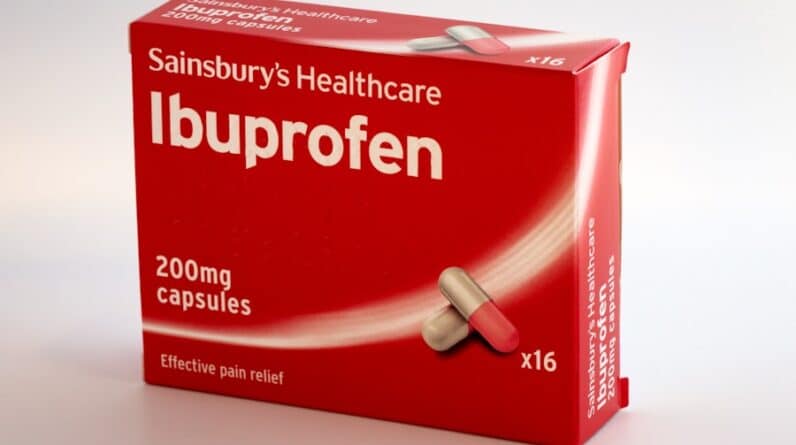
As you navigate the complexities of managing your cholesterol levels, you may find yourself considering alternatives to Crestor, a popular statin medication. While Crestor can be effective in lowering LDL cholesterol and reducing the risk of heart disease, it is not without its side effects. Some individuals experience muscle pain, digestive issues, or even liver complications.
These potential adverse effects can lead you to seek alternative methods for managing your cholesterol levels while still prioritizing your overall health. Moreover, the decision to explore alternatives may stem from personal preferences or lifestyle choices. You might be inclined to adopt a more holistic approach to health, seeking natural remedies or lifestyle changes that align with your values.
Understanding the need for alternatives is not just about avoiding side effects; it’s also about empowering yourself to take control of your health journey. By exploring various options, you can find a strategy that works best for you, allowing you to maintain healthy cholesterol levels without compromising your well-being.
Key Takeaways
- Lifestyle changes such as regular exercise and a healthy diet can help lower cholesterol levels and reduce the need for Crestor alternatives.
- Dietary changes, including reducing intake of saturated fats and increasing consumption of fruits and vegetables, can also contribute to lower cholesterol levels.
- Natural supplements like garlic, fish oil, and plant sterols have been shown to help lower cholesterol and can be considered as alternatives to Crestor.
- Regular physical activity, such as brisk walking or swimming, can improve heart health and lower cholesterol levels.
- Consultation with healthcare professionals is essential for monitoring and managing cholesterol levels, and for exploring prescription medication alternatives to Crestor.
Lifestyle Changes for Heart Health
Breaking Unhealthy Habits
Smoking is a significant risk factor for heart disease, and quitting can greatly enhance overall health and well-being. Similarly, moderating alcohol intake helps maintain healthy blood pressure and cholesterol levels.
Managing Stress for a Healthier Heart
Chronic stress can negatively impact heart health, leading to increased cholesterol levels and cardiovascular issues. Exploring stress management techniques such as mindfulness meditation, yoga, or deep-breathing exercises can help alleviate stress.
A Comprehensive Approach to Heart Health
By prioritizing mental well-being alongside physical health, you can create a comprehensive approach to heart health that addresses both the mind and body.
Dietary Changes to Lower Cholesterol

Your diet plays a crucial role in managing cholesterol levels and promoting heart health. You may want to start by reducing saturated fats found in red meat and full-fat dairy products, as these can raise LDL cholesterol levels. Instead, consider incorporating healthier fats into your meals, such as those found in avocados, nuts, and olive oil.
These unsaturated fats can help improve your cholesterol profile while providing essential nutrients. Additionally, increasing your intake of soluble fiber can be beneficial in lowering cholesterol levels. Foods such as oats, beans, lentils, and fruits like apples and citrus are excellent sources of soluble fiber that can help reduce the absorption of cholesterol in your bloodstream.
You might also want to explore plant sterols and stanols, which are naturally occurring substances found in certain plants that can help block cholesterol absorption. By making these dietary changes, you can take significant steps toward achieving better heart health and managing your cholesterol levels effectively.
Natural Supplements for Lowering Cholesterol
In your quest for alternatives to Crestor, you may come across various natural supplements that claim to lower cholesterol levels. One popular option is omega-3 fatty acids, commonly found in fish oil supplements. Omega-3s have been shown to reduce triglycerides and improve overall heart health.
If you’re not a fan of fish, consider plant-based sources like flaxseeds or chia seeds as alternatives. Another supplement worth considering is red yeast rice, which contains a natural statin-like compound that can help lower cholesterol levels. However, it’s essential to approach this supplement with caution and consult with a healthcare professional before incorporating it into your routine.
Additionally, garlic supplements have been linked to modest reductions in cholesterol levels and may offer other cardiovascular benefits. As you explore these options, remember that natural does not always mean safe; it’s crucial to do thorough research and consult with a healthcare provider before starting any new supplement regimen.
Exercise and Physical Activity for Heart Health
Regular physical activity is a cornerstone of heart health and can significantly impact your cholesterol levels. Engaging in aerobic exercises such as walking, jogging, cycling, or swimming can help raise HDL (good) cholesterol while lowering LDL (bad) cholesterol. You might aim for at least 150 minutes of moderate-intensity aerobic activity each week to reap the benefits of exercise on your cardiovascular system.
Incorporating strength training into your routine is also beneficial for heart health. Building muscle mass can improve your metabolism and help regulate cholesterol levels more effectively. You could consider activities like weightlifting or bodyweight exercises two to three times a week as part of a balanced fitness regimen.
Remember that finding activities you enjoy will make it easier to stay consistent with your exercise routine, ultimately leading to better heart health over time.
Prescription Medication Alternatives to Crestor

Bile Acid Sequestrants: A Statin-Free Option
Bile acid sequestrants work by binding bile acids in the intestine, preventing their reabsorption and promoting the elimination of cholesterol from the body.
Ezetimibe: Reducing Dietary Cholesterol Absorption
Another option is ezetimibe, which works by reducing the absorption of cholesterol from the diet. This medication can be particularly effective when used in conjunction with lifestyle changes or other medications.
PCSK9 Inhibitors: A Newer Class of Medications
Additionally, PCSK9 inhibitors are a newer class of injectable medications that have shown promise in significantly lowering LDL cholesterol levels for those who struggle with traditional statin therapy. As you consider these alternatives, it’s essential to have an open dialogue with your healthcare provider about the best options tailored to your specific needs.
Monitoring and Managing Cholesterol Levels
Monitoring your cholesterol levels is crucial in managing your heart health effectively. Regular check-ups with your healthcare provider will allow you to track changes in your lipid profile over time and assess the effectiveness of any lifestyle changes or treatments you’ve implemented. You might consider keeping a personal health journal where you record your dietary habits, exercise routines, and any supplements or medications you’re taking.
This information can provide valuable insights during consultations with your healthcare provider. In addition to regular blood tests, self-monitoring at home can also be beneficial. Many devices are available that allow you to check your cholesterol levels conveniently from home.
While these devices may not replace professional testing entirely, they can help you stay informed about your progress and motivate you to maintain healthy habits. By actively monitoring your cholesterol levels, you empower yourself to make informed decisions about your health journey.
Consultation with Healthcare Professionals
Finally, consulting with healthcare professionals is an essential step in managing your cholesterol levels effectively. Whether you’re considering lifestyle changes, natural supplements, or alternative medications, having a knowledgeable partner in your healthcare journey can provide guidance and support tailored to your unique situation. Your primary care physician or a cardiologist can help assess your risk factors and recommend appropriate strategies for managing your cholesterol.
Additionally, working with a registered dietitian can be invaluable when making dietary changes aimed at lowering cholesterol levels. They can provide personalized meal plans and nutritional advice based on your preferences and health goals. Remember that open communication with healthcare professionals is key; don’t hesitate to ask questions or express concerns about any aspect of your treatment plan.
By collaborating with experts in the field, you can create a comprehensive approach to managing your heart health that aligns with your values and lifestyle choices.
If you are considering alternatives to Crestor for managing your cholesterol levels, it is important to be well-informed about the various options available. One helpful resource to consult is an article titled Differentiating Between Fact and Fiction in Supplement Claims, which provides valuable insights into navigating the world of nutritional supplements. Understanding the difference between nutrition and nutrition supplements is also crucial, as discussed in the article What is the Difference Between Nutrition and Nutrition Supplements. Additionally, being aware of potential side effects and precautions associated with various heart-healthy choices is essential, as outlined in the article Potential Side Effects and Precautions. By educating yourself on these topics, you can make informed decisions about your heart health.
FAQs
What are some alternatives to Crestor for managing cholesterol?
Some alternatives to Crestor for managing cholesterol include other statin medications such as Lipitor, Zocor, and Pravachol, as well as non-statin medications like ezetimibe, bile acid sequestrants, and PCSK9 inhibitors. Lifestyle changes such as a healthy diet, regular exercise, and quitting smoking can also help manage cholesterol levels.
What are the potential side effects of Crestor and its alternatives?
Common side effects of Crestor and other statin medications include muscle pain, liver damage, and an increased risk of diabetes. Non-statin medications and lifestyle changes may also have their own potential side effects, so it’s important to discuss the risks and benefits with a healthcare provider.
Are there natural alternatives to Crestor for managing cholesterol?
Some natural alternatives for managing cholesterol include dietary supplements like red yeast rice, plant sterols, and omega-3 fatty acids. However, it’s important to consult with a healthcare provider before using natural remedies, as they may interact with other medications or have their own potential risks.
What are the benefits of lifestyle changes for managing cholesterol?
Lifestyle changes such as following a heart-healthy diet, getting regular exercise, maintaining a healthy weight, and quitting smoking can help lower cholesterol levels and reduce the risk of heart disease. These changes can also have positive effects on overall health and well-being.
How can I determine the best alternative to Crestor for my individual needs?
The best alternative to Crestor for managing cholesterol will depend on individual factors such as overall health, cholesterol levels, other medications being taken, and any existing medical conditions. It’s important to work with a healthcare provider to determine the most appropriate treatment plan.