Anxiety is a common emotional response that everyone experiences at some point in their lives. It can manifest as feelings of unease, worry, or fear, often triggered by stressors in your environment or personal life. While occasional anxiety is a normal part of life, chronic anxiety can interfere with your daily activities and overall well-being.
You may find yourself feeling overwhelmed by situations that others seem to handle with ease, leading to a cycle of stress and anxiety that can be difficult to break. Understanding the nature of anxiety is the first step toward managing it effectively. Xanax, a brand name for alprazolam, is a medication commonly prescribed to treat anxiety disorders and panic attacks.
It belongs to a class of drugs known as benzodiazepines, which work by enhancing the effects of a neurotransmitter called gamma-aminobutyric acid (GABA) in the brain. This action helps to calm the nervous system, providing relief from the symptoms of anxiety. While Xanax can be effective for short-term relief, it is essential to recognize that it is not a long-term solution.
You may experience side effects or develop a dependency on the medication if used for extended periods. Therefore, it is crucial to explore other options for managing anxiety alongside or instead of pharmaceutical interventions.
Key Takeaways
- Xanax is a commonly prescribed medication for anxiety, but it can be habit-forming and should be used with caution.
- Natural remedies such as exercise, meditation, and deep breathing can help alleviate anxiety symptoms.
- Herbal supplements like passionflower and valerian root may provide relief for mild to moderate anxiety, but should be used under the guidance of a healthcare professional.
- Mind-body techniques like yoga and tai chi can help manage anxiety by promoting relaxation and reducing stress.
- Lifestyle changes such as getting enough sleep, reducing caffeine and alcohol intake, and establishing a regular exercise routine can significantly reduce anxiety symptoms.
- Dietary changes like reducing sugar and processed foods, and increasing intake of omega-3 fatty acids and magnesium can support anxiety relief.
- Essential oils like lavender and chamomile can be used in aromatherapy to promote relaxation and reduce anxiety symptoms.
- Seeking professional help from a therapist or psychiatrist is important for those with severe or persistent anxiety symptoms.
Natural Remedies for Anxiety Relief
If you are seeking alternatives to medication for managing anxiety, natural remedies can offer a holistic approach to relief. Many individuals find that incorporating practices such as mindfulness, yoga, or meditation into their daily routines can significantly reduce feelings of anxiety. These techniques encourage you to focus on the present moment, helping to quiet racing thoughts and promote relaxation.
By dedicating time each day to these practices, you may find that your overall stress levels decrease, allowing you to navigate life’s challenges with greater ease. In addition to mindfulness practices, engaging in regular physical activity can also serve as a powerful natural remedy for anxiety. Exercise releases endorphins, which are chemicals in the brain that act as natural painkillers and mood elevators.
Whether you prefer running, swimming, dancing, or even taking brisk walks, finding an activity that you enjoy can make it easier to incorporate exercise into your routine. As you become more physically active, you may notice improvements in your mood and a reduction in anxiety symptoms.
Herbal Supplements for Anxiety
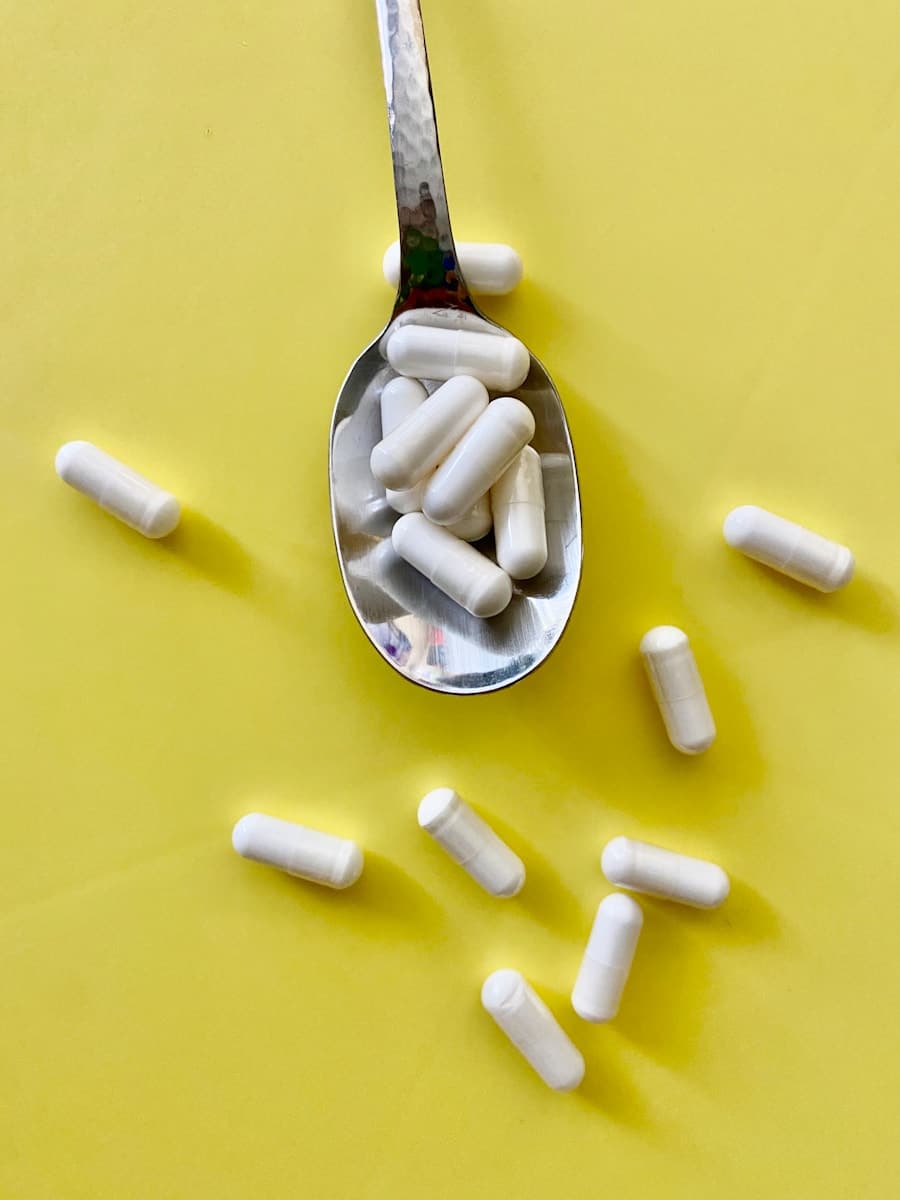
Herbal supplements have gained popularity as natural alternatives for managing anxiety symptoms. You might consider exploring options such as chamomile, valerian root, or passionflower. Chamomile tea is often praised for its calming properties and can be a soothing addition to your evening routine.
Valerian root is another herb that has been used for centuries to promote relaxation and improve sleep quality. If you struggle with insomnia due to anxiety, valerian root may be worth trying. Passionflower is another herbal remedy that has shown promise in reducing anxiety levels.
Some studies suggest that it may help increase GABA levels in the brain, similar to how Xanax works but without the associated risks of dependency. When considering herbal supplements, it’s essential to consult with a healthcare professional to ensure they are safe and appropriate for your individual needs. While these natural remedies can be beneficial, they should not replace professional medical advice or treatment.
Mind-Body Techniques for Anxiety Management
Mind-body techniques encompass a range of practices designed to foster a connection between your mental and physical states. Techniques such as deep breathing exercises, progressive muscle relaxation, and guided imagery can help you manage anxiety effectively. Deep breathing exercises involve focusing on your breath and taking slow, deliberate inhalations and exhalations.
This practice can activate your body’s relaxation response, helping to reduce feelings of tension and anxiety. Progressive muscle relaxation is another effective technique that involves systematically tensing and relaxing different muscle groups in your body. By paying attention to the sensations of tension and relaxation, you can develop greater awareness of physical stress and learn how to release it.
Guided imagery involves visualizing calming scenes or experiences, allowing your mind to escape from anxious thoughts temporarily. Incorporating these mind-body techniques into your daily routine can empower you to take control of your anxiety and cultivate a sense of inner peace.
Lifestyle Changes for Anxiety Reduction
Making lifestyle changes can significantly impact your overall mental health and help reduce anxiety levels. One of the most effective changes you can make is prioritizing sleep hygiene. Quality sleep is essential for emotional regulation and cognitive function.
Establishing a consistent sleep schedule, creating a calming bedtime routine, and ensuring your sleep environment is conducive to rest can all contribute to better sleep quality. Another important lifestyle change involves managing your time effectively. You may find that feeling overwhelmed by responsibilities contributes to your anxiety levels.
By organizing your tasks and setting realistic goals, you can create a sense of control over your life. Consider using tools like planners or digital apps to help you stay organized and prioritize tasks effectively. Additionally, learning to say no when necessary can help you avoid overcommitting yourself and reduce feelings of stress.
Dietary Changes for Anxiety Relief
Your diet plays a crucial role in your mental health and can influence your anxiety levels significantly. Incorporating nutrient-rich foods into your meals can provide your body with the essential vitamins and minerals needed for optimal brain function. Foods rich in omega-3 fatty acids, such as fatty fish like salmon or walnuts, have been linked to improved mood and reduced anxiety symptoms.
Additionally, maintaining stable blood sugar levels through balanced meals can help prevent mood swings and irritability. You might consider incorporating whole grains, lean proteins, fruits, and vegetables into your diet while limiting processed foods high in sugar and unhealthy fats. Staying hydrated is also essential; dehydration can lead to fatigue and increased feelings of anxiety.
By making mindful dietary choices, you can support your mental health and create a foundation for emotional well-being.
Essential Oils for Anxiety Management
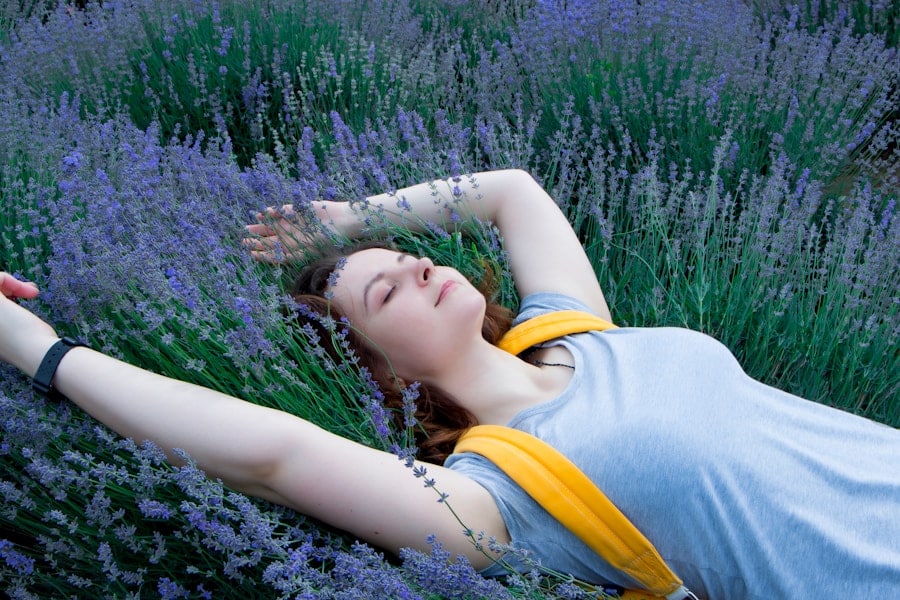
Essential oils have gained popularity as natural remedies for various ailments, including anxiety management. Aromatherapy involves using essential oils derived from plants to promote relaxation and emotional balance. You might find that oils such as lavender, bergamot, or chamomile have calming effects when diffused in your living space or applied topically with a carrier oil.
Lavender oil is particularly well-known for its soothing properties; studies have shown that inhaling lavender scent can reduce feelings of anxiety and improve sleep quality. Bergamot oil has also been found to have mood-lifting effects and may help alleviate stress when used in aromatherapy practices. Experimenting with different essential oils can help you discover which scents resonate with you personally and provide the most relief from anxiety.
Seeking Professional Help for Anxiety
While self-help strategies can be effective in managing anxiety, there are times when seeking professional help is necessary. If you find that your anxiety is persistent or significantly impacts your daily life, it may be time to consult with a mental health professional. Therapists or counselors trained in cognitive-behavioral therapy (CBT) can provide valuable tools and techniques tailored to your specific needs.
In some cases, medication may also be recommended as part of a comprehensive treatment plan. A psychiatrist can evaluate your symptoms and determine whether medication like Xanax or other alternatives would be appropriate for you. Remember that seeking help is not a sign of weakness; it demonstrates strength and a commitment to improving your mental health.
By taking this step, you are investing in yourself and working toward a healthier, more balanced life free from the constraints of anxiety.
If you are interested in exploring natural alternatives to Xanax for anxiety relief, you may also want to consider incorporating supplements into your daily routine. According to a recent article on healthnutritionsupplements.net, taking a multivitamin can help support overall health and well-being, including mental health. In addition to exploring natural remedies for anxiety, incorporating a high-quality multivitamin into your daily routine may provide additional support for managing stress and anxiety.
FAQs
What are natural alternatives to Xanax for anxiety relief?
Natural alternatives to Xanax for anxiety relief include herbal supplements such as passionflower, valerian root, and kava, as well as lifestyle changes like regular exercise, meditation, and deep breathing exercises.
How do herbal supplements like passionflower and valerian root help with anxiety relief?
Passionflower and valerian root are believed to have calming effects on the nervous system, helping to reduce anxiety and promote relaxation. They can be taken in supplement form or brewed into a tea.
What is kava and how does it help with anxiety relief?
Kava is a plant native to the South Pacific that has been used for centuries as a natural remedy for anxiety and stress. It is believed to have sedative and muscle-relaxing properties, helping to promote a sense of calm and relaxation.
How does regular exercise help with anxiety relief?
Regular exercise has been shown to reduce symptoms of anxiety by releasing endorphins, the body’s natural stress-relievers. Exercise also helps to improve sleep, boost self-esteem, and distract the mind from worries.
What is the role of meditation and deep breathing exercises in anxiety relief?
Meditation and deep breathing exercises are relaxation techniques that can help to calm the mind and reduce anxiety. They promote mindfulness and focus, helping to break the cycle of anxious thoughts and promote a sense of peace and well-being.