When you consider taking Effexor, or venlafaxine, it’s crucial to familiarize yourself with its potential side effects. This medication, primarily prescribed for depression and anxiety disorders, can lead to a range of reactions in different individuals. While many people find relief from their symptoms, others may experience unwanted effects that can impact their daily lives.
Common side effects include nausea, dizziness, and fatigue, which can be particularly challenging as you navigate your mental health journey. Understanding these side effects can empower you to make informed decisions about your treatment options. Moreover, it’s essential to recognize that not everyone will experience these side effects in the same way.
Some may find that they diminish over time as your body adjusts to the medication, while others may struggle with them throughout their treatment. In some cases, more severe side effects can occur, such as increased blood pressure or withdrawal symptoms if the medication is suddenly discontinued. Being aware of these possibilities allows you to communicate effectively with your healthcare provider and seek adjustments to your treatment plan if necessary.
Ultimately, understanding the side effects of Effexor is a vital step in managing your mental health effectively.
Key Takeaways
- Effexor may cause side effects such as nausea, dizziness, and insomnia
- Natural remedies like exercise, yoga, and meditation can help manage depression and anxiety
- Lifestyle changes such as getting enough sleep and reducing stress can support mental health
- Alternative medications like St. John’s Wort and SAM-e can be used to treat depression and anxiety
- Therapy and counseling options like cognitive behavioral therapy can provide mental health support
- Herbal supplements like lavender and passionflower may have potential benefits for mental well-being
- Dietary changes such as consuming omega-3 fatty acids and probiotics can support mental well-being
- Mindfulness and meditation practices can help manage symptoms of depression and anxiety
Natural Remedies for Managing Depression and Anxiety
As you explore ways to manage depression and anxiety, you might consider incorporating natural remedies into your routine. Many individuals find that holistic approaches can complement traditional treatments and provide additional relief from symptoms. For instance, practices such as yoga and tai chi not only promote physical well-being but also encourage mindfulness and relaxation.
Engaging in these activities can help you cultivate a sense of calm and balance, which is essential when dealing with mental health challenges. Another natural remedy worth exploring is the use of essential oils. Aromatherapy has gained popularity for its potential to alleviate stress and anxiety.
Scents like lavender and chamomile are known for their calming properties and can be used in various ways, such as through diffusers or topical applications. Additionally, herbal teas made from ingredients like valerian root or passionflower may offer soothing effects that help you unwind after a long day. By integrating these natural remedies into your life, you can create a supportive environment for your mental health.
Lifestyle Changes to Support Mental Health

Making lifestyle changes can significantly impact your mental health and overall well-being. One of the most effective adjustments you can make is to prioritize regular physical activity. Exercise releases endorphins, which are natural mood lifters, and can help reduce feelings of anxiety and depression.
Whether you prefer brisk walking, dancing, or engaging in team sports, finding an activity that you enjoy will make it easier to stay consistent. Aim for at least 30 minutes of moderate exercise most days of the week to reap the benefits. In addition to physical activity, consider evaluating your sleep habits. Quality sleep is essential for mental health, as it allows your brain to recharge and process emotions effectively.
Establishing a regular sleep schedule by going to bed and waking up at the same time each day can help regulate your body’s internal clock. Creating a calming bedtime routine—such as reading or practicing relaxation techniques—can also improve your sleep quality. By making these lifestyle changes, you can create a solid foundation for better mental health.
Alternative Medications for Treating Depression and Anxiety
If you find that Effexor isn’t the right fit for you due to its side effects or other concerns, there are alternative medications available for treating depression and anxiety. One option is selective serotonin reuptake inhibitors (SSRIs), which are commonly prescribed for these conditions. Medications like fluoxetine (Prozac) or sertraline (Zoloft) work by increasing serotonin levels in the brain, which can help improve mood and reduce anxiety symptoms.
Discussing these alternatives with your healthcare provider can help you find a medication that aligns better with your needs. Another class of medications worth considering is atypical antidepressants, such as bupropion (Wellbutrin). This medication works differently than traditional antidepressants and may be beneficial for individuals who experience fatigue or weight gain as side effects of other treatments.
Additionally, some individuals explore the use of ketamine therapy or esketamine nasal spray for treatment-resistant depression. These options may provide rapid relief from symptoms but should be approached with caution and under professional supervision. By exploring alternative medications, you can work towards finding a solution that best supports your mental health.
Therapy and Counseling Options for Mental Health Support
In addition to medication, therapy and counseling play a crucial role in managing depression and anxiety. Engaging in talk therapy allows you to explore your thoughts and feelings in a safe environment while gaining insights into your mental health challenges. Cognitive-behavioral therapy (CBT) is particularly effective for many individuals, as it focuses on identifying negative thought patterns and replacing them with healthier ones.
This approach empowers you to take control of your mental health by equipping you with practical tools to cope with stressors. Moreover, group therapy can provide a sense of community and support that is invaluable during difficult times. Sharing experiences with others who understand what you’re going through can foster connection and reduce feelings of isolation.
Whether you choose individual therapy or group sessions, having a trained professional guide you through your mental health journey can lead to significant improvements in your overall well-being.
Herbal Supplements and Their Potential Benefits
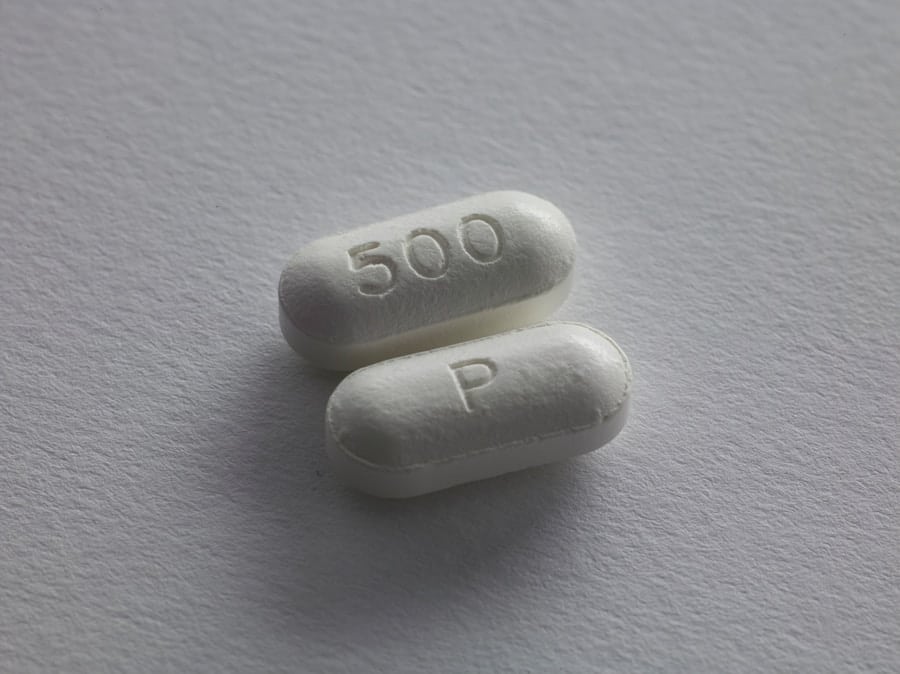
Herbal supplements have gained attention as potential aids in managing depression and anxiety symptoms. While it’s essential to approach these remedies with caution and consult with a healthcare provider before starting any new supplement regimen, some herbs have shown promise in research studies. For instance, St. John’s Wort is often used for mild to moderate depression and may help alleviate symptoms by affecting serotonin levels in the brain. Another herbal option is ashwagandha, an adaptogen known for its stress-reducing properties. This herb may help lower cortisol levels—often referred to as the stress hormone—thereby promoting a sense of calm and balance in your life. Additionally, omega-3 fatty acids found in fish oil have been linked to improved mood regulation and may be beneficial for those experiencing depression. By exploring herbal supplements alongside traditional treatments, you can create a comprehensive approach to managing your mental health.
Dietary Changes to Support Mental Well-being
Your diet plays a significant role in your mental health, and making mindful dietary changes can have a positive impact on how you feel. Incorporating nutrient-rich foods into your meals can provide the essential vitamins and minerals needed for optimal brain function. For example, foods high in omega-3 fatty acids—such as salmon, walnuts, and flaxseeds—are known to support brain health and may help alleviate symptoms of depression.
Additionally, focusing on whole foods while minimizing processed options can enhance your overall well-being. A diet rich in fruits, vegetables, whole grains, and lean proteins provides the nutrients necessary for maintaining stable energy levels and mood regulation. Staying hydrated is equally important; dehydration can lead to fatigue and irritability, exacerbating feelings of anxiety or depression.
By making conscious dietary choices, you can nourish both your body and mind.
Mindfulness and Meditation Practices for Managing Symptoms
Incorporating mindfulness and meditation practices into your daily routine can be transformative when managing symptoms of depression and anxiety. Mindfulness encourages you to stay present in the moment rather than getting lost in worries about the past or future. Simple techniques such as deep breathing exercises or body scans can help ground you during moments of distress, allowing you to regain control over your thoughts and emotions.
Meditation offers an opportunity for deeper introspection and relaxation. Regular practice can lead to increased self-awareness and emotional resilience over time. You might find guided meditations particularly helpful as they provide structure and direction while allowing you to explore various themes related to mental health.
By dedicating time each day to mindfulness or meditation practices, you create a sanctuary for yourself—a space where healing can occur amidst life’s challenges. In conclusion, navigating mental health challenges requires a multifaceted approach that encompasses understanding medication side effects, exploring natural remedies, making lifestyle changes, considering alternative medications, engaging in therapy, utilizing herbal supplements, adopting dietary changes, and practicing mindfulness techniques. By taking proactive steps towards managing your mental well-being, you empower yourself on this journey toward healing and resilience.
If you are interested in learning more about common supplement ingredients that can be used as alternatives to Effexor for fewer side effects, you may want to check out this detailed information on common supplement ingredients. This article provides valuable insights into various natural ingredients that can help improve mood and overall well-being. Additionally, understanding the recommended dosages and timing for these supplements is crucial for their effectiveness, which is covered in this choosing and using supplements: recommended dosages and timing article. Furthermore, ensuring you have adequate levels of essential nutrients like Vitamin D is also important for mental health, as discussed in this Vitamin D article.
FAQs
What are the common side effects of Effexor?
Common side effects of Effexor (venlafaxine) include nausea, dizziness, drowsiness, dry mouth, constipation, loss of appetite, and sweating.
What are some alternative solutions for reducing side effects of Effexor?
Some alternative solutions for reducing side effects of Effexor include adjusting the dosage, switching to a different antidepressant, or using adjunctive medications to manage specific side effects.
Can lifestyle changes help reduce side effects of Effexor?
Yes, lifestyle changes such as regular exercise, healthy diet, stress management, and adequate sleep can help reduce side effects of Effexor and improve overall well-being.
Are there natural remedies or supplements that can help with Effexor side effects?
Some natural remedies and supplements such as omega-3 fatty acids, St. John’s wort, and certain vitamins and minerals may help alleviate certain side effects of Effexor. However, it is important to consult with a healthcare professional before using any natural remedies or supplements, as they may interact with Effexor or other medications.
What should I do if I experience severe side effects from Effexor?
If you experience severe side effects from Effexor, it is important to seek immediate medical attention. Do not discontinue the medication abruptly without consulting a healthcare professional, as this can lead to withdrawal symptoms.