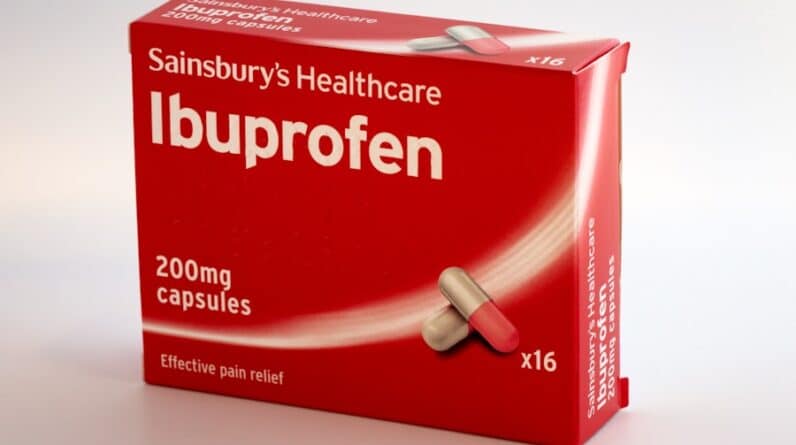
Amlodipine is a medication that belongs to a class of drugs known as calcium channel blockers. It is primarily prescribed to manage high blood pressure and angina, a type of chest pain caused by reduced blood flow to the heart. By relaxing the blood vessels, amlodipine allows for easier blood flow, which can significantly reduce the workload on your heart.
This is particularly important for individuals who may be at risk for heart disease or those already diagnosed with hypertension. Understanding how amlodipine works can empower you to make informed decisions about your heart health. When you take amlodipine, it helps to lower your blood pressure, which in turn can decrease the risk of heart attacks and strokes.
The medication is often part of a comprehensive treatment plan that includes lifestyle modifications and other medications. It’s essential to recognize that while amlodipine can be effective, it is not a standalone solution. You should consider it as one piece of a larger puzzle that includes diet, exercise, and stress management.
By understanding the role of amlodipine in your treatment plan, you can better appreciate the importance of adhering to your prescribed regimen and making necessary lifestyle changes.
Key Takeaways
- Amlodipine is a commonly prescribed medication for managing high blood pressure and chest pain, and it works by relaxing the blood vessels to improve blood flow and reduce strain on the heart.
- Lifestyle changes such as quitting smoking, maintaining a healthy weight, and managing stress are crucial for heart health and can complement the effects of Amlodipine.
- Dietary supplements like omega-3 fatty acids, coenzyme Q10, and magnesium may offer additional support for heart health when used in conjunction with Amlodipine, but it’s important to consult with a healthcare professional before starting any new supplements.
- Regular physical activity, including aerobic and strength training exercises, can help improve heart health and may enhance the benefits of Amlodipine.
- Stress management techniques such as meditation, deep breathing, and yoga can play a significant role in supporting heart health and may be used alongside Amlodipine to improve overall well-being.
Lifestyle Changes for Heart Health
Making lifestyle changes is crucial for maintaining heart health, especially if you are managing conditions like hypertension or coronary artery disease. One of the most impactful changes you can make is to quit smoking if you currently smoke. Smoking is a significant risk factor for heart disease, as it damages blood vessels and reduces oxygen in the blood.
By eliminating tobacco from your life, you not only improve your cardiovascular health but also enhance your overall well-being. In addition to quitting smoking, incorporating regular physical activity into your daily routine can have profound effects on your heart health. Aim for at least 150 minutes of moderate aerobic exercise each week, such as brisk walking or cycling.
This level of activity can help lower blood pressure, improve cholesterol levels, and maintain a healthy weight. You might find it helpful to set specific goals or join a community group to stay motivated. Remember, every small step counts, and making these changes can lead to significant improvements in your heart health over time.
Dietary Supplements for Heart Health
In addition to lifestyle changes, dietary supplements can play a supportive role in promoting heart health. Omega-3 fatty acids, commonly found in fish oil supplements, are known for their anti-inflammatory properties and ability to lower triglyceride levels. If you don’t consume enough fatty fish in your diet, considering an omega-3 supplement could be beneficial.
However, it’s essential to consult with a healthcare professional before starting any new supplement regimen to ensure it aligns with your specific health needs. Coenzyme Q10 (CoQ10) is another supplement that has garnered attention for its potential heart health benefits. This antioxidant plays a vital role in energy production within cells and may help improve blood vessel function.
Some studies suggest that CoQ10 can lower blood pressure and improve overall cardiovascular health. As with any supplement, it’s crucial to discuss its use with your healthcare provider to determine the appropriate dosage and ensure it won’t interact with any medications you may be taking.
Exercise and Physical Activity for Heart Health
Engaging in regular exercise is one of the most effective ways to enhance your heart health. Physical activity strengthens the heart muscle, improves circulation, and helps maintain a healthy weight—all critical factors in reducing the risk of heart disease. You might consider incorporating a mix of aerobic exercises, strength training, and flexibility workouts into your routine.
Activities like swimming, dancing, or even gardening can provide enjoyable ways to stay active while benefiting your cardiovascular system. Finding an exercise routine that you enjoy is key to maintaining consistency. You could explore various options such as joining a local gym, participating in group classes, or even taking up a new sport.
Setting achievable goals can also help keep you motivated; whether it’s aiming to walk a certain number of steps each day or completing a 5K run, having a target can make your fitness journey more rewarding. Remember that every bit of movement counts, so even small changes like taking the stairs instead of the elevator can contribute positively to your heart health.
Stress Management and Mental Health Support
Managing stress effectively is vital for maintaining heart health. Chronic stress can lead to elevated blood pressure and increased risk of heart disease. You might find that incorporating relaxation techniques into your daily routine can help mitigate stress levels.
Practices such as mindfulness meditation, deep breathing exercises, or yoga can promote relaxation and improve mental clarity. Taking time each day to focus on your mental well-being can have profound effects on your physical health. Additionally, seeking support from friends, family, or mental health professionals can be beneficial if you’re feeling overwhelmed.
Talking about your feelings and experiences can provide relief and help you develop coping strategies. Engaging in hobbies or activities that bring you joy can also serve as an excellent outlet for stress relief. By prioritizing mental health alongside physical health, you create a holistic approach that supports your overall well-being.
Herbal Remedies for Heart Health

Herbal remedies have been used for centuries to support various aspects of health, including heart health. Some herbs have shown promise in promoting cardiovascular wellness. For instance, garlic is often touted for its ability to lower blood pressure and cholesterol levels.
Incorporating garlic into your meals or considering garlic supplements may provide additional benefits for your heart health. Another herb worth exploring is hawthorn berry, which has been traditionally used to support heart function and improve circulation. Some studies suggest that hawthorn may help reduce symptoms of heart failure and improve exercise tolerance.
However, as with any herbal remedy, it’s essential to consult with a healthcare professional before adding it to your regimen to ensure safety and efficacy.
Alternative Therapies for Heart Health
Alternative therapies can complement traditional medical treatments and contribute positively to heart health. Acupuncture is one such therapy that has gained popularity for its potential benefits in reducing stress and improving overall well-being. Some studies suggest that acupuncture may help lower blood pressure and improve circulation by promoting relaxation and reducing tension in the body.
Another alternative therapy worth considering is massage therapy. Regular massages can help alleviate stress and promote relaxation while improving circulation throughout the body. You might find that incorporating these therapies into your routine enhances not only your physical health but also your emotional well-being.
As always, discussing these options with your healthcare provider ensures they align with your overall treatment plan.
Consultation with a Healthcare Professional
Consulting with a healthcare professional is crucial when it comes to managing your heart health effectively. Your doctor can provide personalized recommendations based on your medical history, current medications, and lifestyle factors. Regular check-ups allow for monitoring of blood pressure, cholesterol levels, and other vital indicators of heart health.
Don’t hesitate to ask questions during your appointments; understanding your condition and treatment options empowers you to take an active role in your health journey. Whether you’re considering new medications like amlodipine or exploring lifestyle changes, having open communication with your healthcare provider ensures that you receive the best possible care tailored to your needs. Remember that managing heart health is an ongoing process that requires collaboration between you and your healthcare team for optimal results.
If you are interested in learning more about supplements that support heart health naturally, you may want to check out this article on supplements for heart health. This article provides valuable information on various supplements that can help improve heart function and overall cardiovascular health. Additionally, if you are wondering whether or not you need to take supplements, you can read this article on do we need to take supplements to gain a better understanding of the benefits of incorporating supplements into your daily routine. Lastly, if you follow a vegan or vegetarian diet, you may be interested in learning more about vegan and vegetarian supplements that can help support heart health and overall well-being.
FAQs
What are some natural alternatives to amlodipine for supporting heart health?
Some natural alternatives to amlodipine for supporting heart health include lifestyle changes such as regular exercise, a healthy diet rich in fruits and vegetables, stress management techniques, and herbal supplements like hawthorn, garlic, and Coenzyme Q10.
Can lifestyle changes help support heart health as an alternative to amlodipine?
Yes, lifestyle changes such as regular exercise, a healthy diet, stress management, and avoiding tobacco and excessive alcohol consumption can all support heart health and serve as alternatives to amlodipine.
What herbal supplements can be used as alternatives to amlodipine for supporting heart health?
Herbal supplements such as hawthorn, garlic, and Coenzyme Q10 are commonly used as alternatives to amlodipine for supporting heart health. These supplements have been shown to have positive effects on cardiovascular health.
Are there any potential risks or side effects associated with natural alternatives to amlodipine?
While natural alternatives to amlodipine are generally considered safe, it’s important to consult with a healthcare professional before starting any new supplement regimen, as some herbal supplements may interact with medications or have potential side effects.
How can stress management techniques support heart health as an alternative to amlodipine?
Stress management techniques such as meditation, deep breathing exercises, and yoga can help reduce stress levels, which in turn can have a positive impact on heart health. Chronic stress has been linked to an increased risk of heart disease, so managing stress can be an important part of supporting heart health naturally.