
Depo-Provera, a popular injectable contraceptive, has been a go-to option for many individuals seeking reliable birth control. Administered as an injection every three months, it works by releasing the hormone progestin, which prevents ovulation and thickens cervical mucus to hinder sperm from reaching an egg. While its convenience and effectiveness make it appealing, it’s essential to be aware of the potential side effects that can accompany its use.
Understanding these side effects can help you make an informed decision about whether this method is right for you. Common side effects of Depo-Provera include irregular menstrual cycles, weight gain, and mood changes. Many users report experiencing heavier or prolonged periods during the initial months of use, while others may find their periods become lighter or even stop altogether.
Weight gain is another concern, with some individuals noticing an increase in appetite or changes in metabolism. Additionally, mood swings and feelings of depression can occur, which may be particularly troubling for those with a history of mental health issues. By being aware of these potential side effects, you can better prepare for your experience with Depo-Provera and discuss any concerns with your healthcare provider.
Key Takeaways
- Depo-Provera is a hormonal birth control method that has potential side effects including weight gain, irregular bleeding, and decreased bone density.
- Hormonal birth control alternatives include birth control pills, patches, and vaginal rings, which work by releasing hormones to prevent pregnancy.
- Non-hormonal birth control alternatives include copper IUDs, which are effective for up to 10 years and do not contain hormones.
- Long-acting reversible contraceptive (LARC) options such as the hormonal IUD and the contraceptive implant are highly effective and require minimal maintenance.
- Natural family planning methods involve tracking a woman’s menstrual cycle to determine the fertile window and avoid unprotected sex during that time.
Hormonal birth control alternatives
If you’re considering alternatives to Depo-Provera, there are several hormonal birth control options available that may suit your needs. The pill, patch, and vaginal ring are popular choices that also utilize hormones to prevent pregnancy. The birth control pill is taken daily and comes in various formulations, allowing you to choose one that aligns with your health profile and lifestyle.
The patch is a transdermal option that you wear on your skin, releasing hormones into your bloodstream over the course of a week. The vaginal ring is inserted into the vagina and remains effective for three weeks, providing a convenient option for those who prefer not to take a daily pill. Each of these hormonal methods has its own set of benefits and potential side effects.
For instance, while the pill may offer more control over your cycle, it requires daily adherence, which can be challenging for some. The patch and ring provide more flexibility but may cause skin irritation or discomfort for some users. It’s crucial to evaluate your lifestyle and preferences when considering these options, as well as to consult with your healthcare provider to determine which method may be the best fit for you.
Non-hormonal birth control alternatives
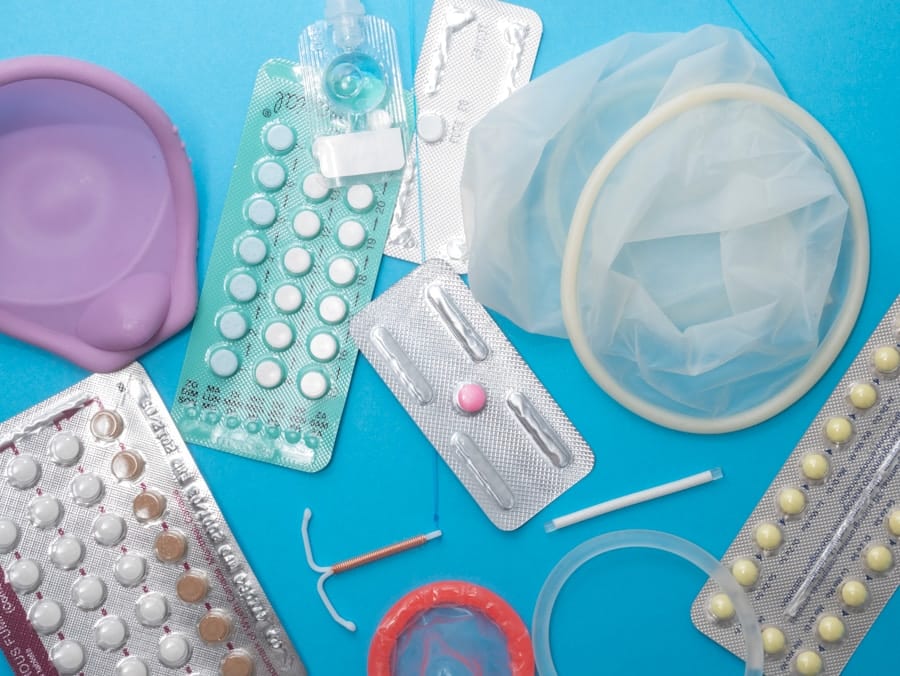
For those who prefer to avoid hormonal methods altogether, non-hormonal birth control alternatives are available that can effectively prevent pregnancy without the use of synthetic hormones. One popular option is the copper intrauterine device (IUD), which works by creating an environment in the uterus that is inhospitable to sperm. This method can provide long-term protection for up to ten years and is highly effective at preventing pregnancy.
Another non-hormonal option is the use of condoms, which not only prevent pregnancy but also protect against sexually transmitted infections (STIs). Male and female condoms are widely available and can be used in conjunction with other methods for added protection. Additionally, spermicide is another non-hormonal option that can be used alone or in combination with barrier methods like condoms or diaphragms.
While non-hormonal methods may require more diligence in terms of usage and timing, they offer a viable alternative for those who wish to avoid hormonal side effects.
Long-acting reversible contraceptive (LARC) options
Long-acting reversible contraceptives (LARCs) are an excellent choice for individuals seeking effective birth control without the need for daily attention. LARCs include both hormonal and non-hormonal options, such as the hormonal IUD and the copper IUD. These devices are inserted by a healthcare professional and can provide protection against pregnancy for several years—up to five years for hormonal IUDs and ten years for copper IUDs.
The appeal of LARCs lies in their convenience; once inserted, they require little maintenance and can be easily removed when you decide to conceive. Many users appreciate the peace of mind that comes with knowing they are protected without having to remember daily pills or weekly patches. However, it’s important to discuss any concerns about insertion procedures or potential side effects with your healthcare provider to ensure that you choose the best option for your reproductive health.
Natural family planning methods
Natural family planning (NFP) methods offer a holistic approach to birth control by relying on tracking your body’s natural cycles rather than using artificial means. These methods involve monitoring fertility signs such as basal body temperature, cervical mucus changes, and menstrual cycle patterns to determine fertile days. By understanding your body’s signals, you can either avoid intercourse during fertile periods or plan accordingly if you’re trying to conceive.
While NFP can be an empowering way to take control of your reproductive health, it requires commitment and education to be effective. You’ll need to invest time in learning how to accurately track your cycles and interpret the data you collect. Additionally, NFP may not be suitable for everyone, particularly those with irregular cycles or those who prefer a more straightforward approach to contraception.
However, for those who are dedicated to understanding their bodies and are comfortable with the method’s requirements, NFP can be a rewarding option.
Barrier methods of birth control
Barrier methods of birth control provide another effective way to prevent pregnancy while allowing you to maintain control over your reproductive choices. These methods work by physically blocking sperm from reaching the egg and include options such as male condoms, female condoms, diaphragms, and cervical caps. Male condoms are widely recognized for their dual protection against both pregnancy and STIs, making them a popular choice among sexually active individuals.
Diaphragms and cervical caps require a prescription and must be used with spermicide for maximum effectiveness. While these methods can be highly effective when used correctly, they do require some planning and preparation before sexual activity. It’s essential to familiarize yourself with proper usage techniques to ensure optimal protection.
Barrier methods can be an excellent choice for those who prefer non-hormonal options or want additional protection alongside other contraceptive methods.
Emergency contraception options
In situations where primary contraceptive methods fail or unprotected intercourse occurs, emergency contraception (EC) provides a crucial safety net. EC options include pills such as Plan B One-Step and Ella, which work primarily by delaying ovulation or preventing fertilization if taken within a specific timeframe after unprotected sex. Plan B is most effective when taken within 72 hours, while Ella can be taken up to 120 hours after intercourse.
It’s important to note that emergency contraception is not intended as a regular birth control method but rather as a backup option in case of contraceptive failure or unprotected intercourse. Accessing EC is relatively straightforward; many pharmacies carry it over-the-counter without a prescription. However, understanding how it works and when to use it is vital for ensuring its effectiveness.
If you find yourself needing emergency contraception frequently, it may be worth revisiting your primary birth control method to find one that better suits your needs.
Conclusion and final recommendations
In conclusion, navigating the world of birth control can feel overwhelming given the myriad options available today. Whether you’re considering Depo-Provera or exploring alternatives like hormonal methods, non-hormonal options, LARCs, natural family planning, barrier methods, or emergency contraception, it’s essential to assess your individual needs and preferences carefully. Each method comes with its own set of benefits and potential side effects, so taking the time to educate yourself will empower you to make informed decisions about your reproductive health.
Ultimately, consulting with a healthcare provider can provide valuable insights tailored specifically to your situation. They can help you weigh the pros and cons of each method based on your medical history, lifestyle, and personal preferences. Remember that finding the right birth control method is a personal journey; what works for one person may not work for another.
By exploring your options thoroughly and seeking professional guidance, you can confidently choose a method that aligns with your goals for family planning and overall well-being.
If you are considering alternative birth control methods to Depo-Provera, you may also be interested in learning about the importance of taking supplements for overall health and well-being. According to a recent article on