
Vitamin A is a vital nutrient that plays a crucial role in maintaining your overall health. As a fat-soluble vitamin, it is essential for various bodily functions, including vision, immune system performance, and skin health. You may not realize it, but this nutrient is also involved in cellular communication and the maintenance of healthy tissues.
The importance of vitamin A cannot be overstated; it is fundamental to your well-being and is found in two primary forms: preformed vitamin A (retinol) and provitamin A carotenoids, which are converted into retinol by your body. Understanding the significance of vitamin A is essential for making informed dietary choices. It is not just a single nutrient but a collection of compounds that work together to support your health.
By incorporating vitamin A into your daily routine, you can enhance your body’s ability to function optimally. However, as with any nutrient, balance is key. Too little vitamin A can lead to deficiencies, while excessive intake can result in toxicity.
Therefore, it is crucial to understand both the benefits and potential risks associated with this essential vitamin.
Key Takeaways
- Vitamin A is a crucial nutrient that plays a key role in maintaining good vision, supporting the immune system, and promoting healthy skin.
- Adequate intake of Vitamin A can help reduce the risk of night blindness, support overall eye health, and promote healthy growth and development.
- The recommended daily intake of Vitamin A is 900 micrograms for adult men and 700 micrograms for adult women.
- Taking high doses of Vitamin A supplements can lead to toxicity, causing symptoms such as nausea, dizziness, and even liver damage.
- It is important to get Vitamin A from a balanced diet that includes sources such as liver, fish, dairy products, and colorful fruits and vegetables.
Benefits of Vitamin A
The benefits of vitamin A are extensive and multifaceted. One of the most well-known advantages is its role in promoting good vision. Vitamin A is a critical component of rhodopsin, a protein in your eyes that allows you to see in low-light conditions.
Without adequate levels of this vitamin, you may experience night blindness or other vision-related issues. Furthermore, vitamin A contributes to the overall health of your eyes by supporting the cornea and preventing age-related macular degeneration. In addition to its impact on vision, vitamin A plays a significant role in bolstering your immune system.
It helps maintain the integrity of your skin and mucosal cells, which act as barriers against pathogens. By ensuring that these barriers are functioning optimally, vitamin A helps reduce your risk of infections. Moreover, this vitamin is involved in the production and activity of white blood cells, which are essential for fighting off illnesses.
Thus, adequate intake of vitamin A can enhance your body’s ability to ward off infections and maintain overall health.
Recommended Daily Intake of Vitamin A

Determining the appropriate daily intake of vitamin A can be complex, as it varies based on several factors, including age, sex, and life stage. For adults, the Recommended Dietary Allowance (RDA) for vitamin A is approximately 900 micrograms (mcg) for men and 700 mcg for women. However, these values can change during pregnancy and lactation, where the needs increase to support both the mother and the developing child.
Pregnant women are advised to aim for about 770 mcg per day, while breastfeeding mothers should target around 1,300 mcg. It’s important to note that these recommendations are based on the intake of retinol activity equivalents (RAE), which account for both preformed vitamin A and provitamin A carotenoids. This means that if you consume foods rich in carotenoids, such as carrots or sweet potatoes, you may need to eat larger quantities to meet your RDA compared to consuming foods high in retinol, like liver or dairy products.
Understanding these guidelines can help you make informed dietary choices that align with your nutritional needs.
Potential Risks of Taking Vitamin A Daily
While vitamin A is essential for your health, taking it in excessive amounts can lead to potential risks and adverse effects. Hypervitaminosis A is a condition caused by an overdose of vitamin A, which can result from consuming high doses of supplements or excessive amounts of liver and other animal products rich in retinol. Symptoms of this condition may include nausea, dizziness, headaches, and even more severe complications like liver damage or intracranial pressure.
Moreover, chronic overconsumption of vitamin A can lead to teratogenic effects during pregnancy, meaning it can cause birth defects in developing fetuses. This risk underscores the importance of monitoring your intake if you are pregnant or planning to conceive. It’s crucial to strike a balance between ensuring you receive enough vitamin A for optimal health while avoiding excessive amounts that could lead to toxicity.
Safe Dosage of Vitamin A
To ensure you reap the benefits of vitamin A without experiencing adverse effects, it’s essential to adhere to safe dosage guidelines. The tolerable upper intake level (UL) for adults is set at 3,000 mcg per day for preformed vitamin This means that while you should aim to meet your RDA through diet or supplements if necessary, you should avoid exceeding this upper limit unless under medical supervision. If you are considering taking vitamin A supplements, it’s wise to consult with a healthcare professional first.
They can help assess your individual needs based on your diet, lifestyle, and any existing health conditions. By working with a professional, you can determine the appropriate dosage that will support your health without putting you at risk for toxicity.
Sources of Vitamin A
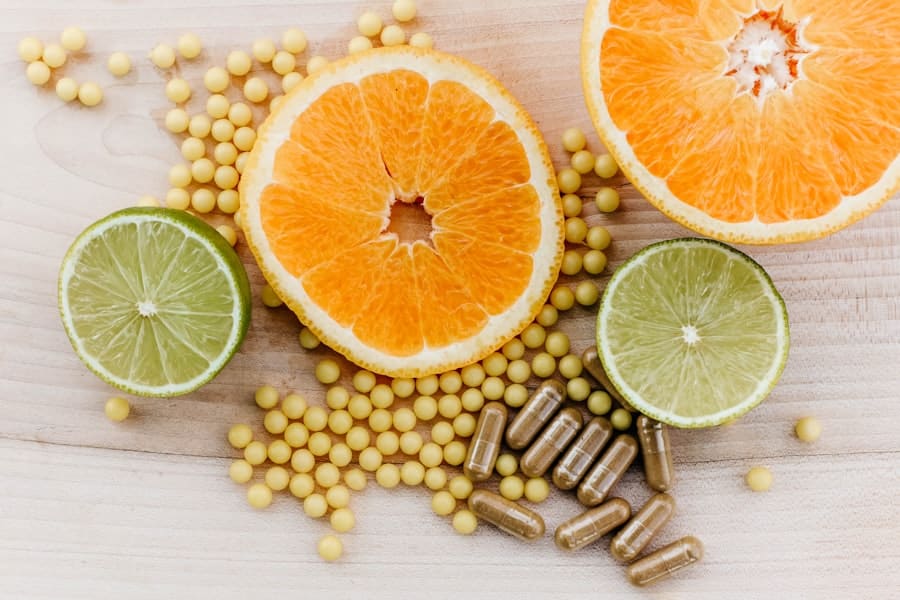
Incorporating a variety of foods into your diet is an effective way to ensure you receive adequate amounts of vitamin Animal-based sources provide preformed vitamin A (retinol), which is readily absorbed by your body. Foods such as liver, fish oil, dairy products like milk and cheese, and eggs are excellent sources of this form of the vitamin. Including these foods in moderation can help you meet your daily requirements without risking excess intake.
On the other hand, plant-based sources offer provitamin A carotenoids, which your body converts into retinol as needed. Colorful fruits and vegetables are rich in these carotenoids; think carrots, sweet potatoes, spinach, kale, and apricots. By consuming a diverse array of these foods, you not only enhance your vitamin A intake but also benefit from other essential nutrients and antioxidants that contribute to overall health.
Who Should Avoid Taking Vitamin A Daily
While vitamin A is crucial for most individuals, certain populations should exercise caution when considering daily supplementation. Pregnant women must be particularly vigilant about their intake due to the risk of teratogenic effects associated with excessive vitamin A consumption. It’s advisable for expectant mothers to consult with their healthcare providers before taking any supplements containing this nutrient.
Additionally, individuals with liver disease or those who consume large amounts of alcohol should be cautious about their vitamin A intake. Since the liver plays a significant role in metabolizing this fat-soluble vitamin, impaired liver function can lead to an increased risk of toxicity. If you fall into these categories or have any underlying health conditions that may affect nutrient absorption or metabolism, it’s best to seek professional guidance before making any changes to your vitamin A intake.
Is Vitamin A Safe to Take Every Day?
In conclusion, while vitamin A is an essential nutrient that offers numerous health benefits, it is crucial to approach its consumption with care and awareness. For most individuals who maintain a balanced diet rich in fruits and vegetables alongside moderate animal products, obtaining sufficient vitamin A through food sources is both safe and effective. However, if you are considering supplementation or have specific health concerns, consulting with a healthcare professional is advisable.
Ultimately, understanding the recommended daily intake and potential risks associated with excessive consumption will empower you to make informed decisions about your health. By prioritizing a balanced diet and being mindful of your nutrient intake, you can enjoy the benefits of vitamin A while minimizing any potential risks associated with its consumption.
If you are considering taking a daily multivitamin, you may also want to explore the benefits of essential fatty acids like omega-3 and omega-6. These nutrients play a crucial role in supporting overall health and well-being. To learn more about the importance of essential fatty acids, check out this informative article on healthnutritionsupplements.net.
FAQs
What is Vitamin A?
Vitamin A is a fat-soluble vitamin that is essential for maintaining good vision, a healthy immune system, and cell growth. It can be obtained from various food sources such as liver, fish, dairy products, and fruits and vegetables.
Is it safe to take Vitamin A every day?
While vitamin A is essential for good health, taking high doses of vitamin A supplements every day can be harmful. Excessive intake of vitamin A can lead to toxicity, causing symptoms such as nausea, dizziness, and even liver damage. It is important to follow the recommended daily allowance for vitamin A and consult a healthcare professional before starting any vitamin A supplementation.
What are the recommended daily allowances for Vitamin A?
The recommended dietary allowances (RDAs) for vitamin A vary by age and gender. For adult men, the RDA is 900 micrograms per day, and for adult women, it is 700 micrograms per day. It is important to note that these recommendations are for total vitamin A intake from both food and supplements.
What are the sources of Vitamin A?
Vitamin A can be obtained from various food sources, including liver, fish, dairy products, and fruits and vegetables. Some examples of foods rich in vitamin A include carrots, sweet potatoes, spinach, and broccoli.
What are the risks of vitamin A toxicity?
Excessive intake of vitamin A can lead to toxicity, which can cause symptoms such as nausea, dizziness, and liver damage. Pregnant women should be especially cautious about vitamin A intake, as high doses of vitamin A can be harmful to the developing fetus. It is important to follow the recommended daily allowance for vitamin A and consult a healthcare professional before starting any vitamin A supplementation.


