
Clear skin is often seen as a reflection of beauty and youth, but its significance extends far beyond mere aesthetics. When you have clear skin, it can boost your confidence and self-esteem, allowing you to engage more freely in social situations and express yourself without the worry of blemishes or imperfections. However, the importance of clear skin goes deeper; it is an indicator of your overall health.
Your skin acts as a barrier, protecting your body from external threats such as bacteria, pollutants, and harmful UV rays. When your skin is clear and healthy, it signifies that your body is functioning optimally, which can lead to a better quality of life. Moreover, clear skin can also be a sign of good internal health.
Conditions like acne, eczema, or psoriasis can often be manifestations of underlying health issues, such as hormonal imbalances or nutritional deficiencies. By striving for clear skin, you are not only enhancing your appearance but also taking proactive steps to monitor and improve your overall health. This holistic approach can lead to a more balanced lifestyle, where you pay attention to what you eat, how you manage stress, and how you care for your body.
In essence, clear skin is not just about looking good; it’s about feeling good from the inside out.
Key Takeaways
- Clear skin is important for overall health as it serves as a barrier against infections and helps regulate body temperature.
- Diet plays a crucial role in skin health, with a focus on consuming fruits, vegetables, and healthy fats for clear skin.
- Hydration is essential for achieving clear skin, as it helps to flush out toxins and maintain skin elasticity.
- Stress can negatively impact skin health, so managing stress through relaxation techniques and self-care is important for clear skin.
- Regular exercise promotes healthy circulation and reduces inflammation, leading to clear and healthy skin.
Understanding the Connection Between Diet and Skin Health
Your diet plays a crucial role in determining the health of your skin. The foods you consume provide the essential nutrients that your body needs to function properly, and this includes maintaining healthy skin. When you eat a balanced diet rich in vitamins, minerals, and antioxidants, you are equipping your skin with the tools it needs to repair itself and fend off damage.
For instance, foods high in omega-3 fatty acids, such as salmon and walnuts, can help reduce inflammation and keep your skin hydrated. On the other hand, a diet high in processed sugars and unhealthy fats can lead to breakouts and dullness. Understanding the connection between diet and skin health means being mindful of what you put on your plate.
Incorporating a variety of colorful fruits and vegetables into your meals can provide your skin with the antioxidants it needs to combat free radicals that cause premature aging. Additionally, whole grains and lean proteins can support collagen production, which is vital for maintaining skin elasticity. By making conscious dietary choices, you can significantly improve your skin’s appearance and overall health.
The Role of Hydration in Achieving Clear Skin
Hydration is another critical factor in achieving clear skin. Your body is composed of approximately 60% water, and this fluid is essential for various bodily functions, including temperature regulation and nutrient transport. When you are adequately hydrated, your skin appears plumper and more radiant.
Conversely, dehydration can lead to dryness, flakiness, and an increase in the appearance of fine lines. Drinking enough water throughout the day helps maintain your skin’s moisture balance and supports its natural barrier function. In addition to drinking water, incorporating hydrating foods into your diet can also enhance your skin’s hydration levels.
Fruits like watermelon, cucumbers, and oranges have high water content and can contribute to your overall fluid intake. Furthermore, using moisturizers that contain hydrating ingredients such as hyaluronic acid can help lock in moisture and keep your skin looking fresh. By prioritizing hydration both internally and externally, you can create an environment that promotes clear and healthy skin.
The Impact of Stress on Skin Health and How to Manage It
| Stress Factor | Impact on Skin Health | Management Strategies |
|---|---|---|
| Increased Cortisol Levels | Acne, Eczema, Psoriasis flare-ups | Stress-reducing activities, skincare routine |
| Reduced Skin Barrier Function | Dryness, Irritation, Sensitivity | Use of gentle cleansers, moisturizers |
| Accelerated Aging | Wrinkles, Fine lines, Dullness | Anti-aging skincare products, sunscreen |
| Impaired Wound Healing | Delayed recovery from injuries | Healthy diet, adequate sleep, wound care |
Stress is an inevitable part of life, but its impact on your skin can be profound. When you experience stress, your body releases hormones like cortisol that can trigger inflammation and lead to various skin issues such as acne flare-ups or eczema outbreaks. This connection between stress and skin health highlights the importance of managing stress effectively to maintain clear skin.
Recognizing the signs of stress in your life is the first step toward mitigating its effects on your skin. To manage stress effectively, consider incorporating relaxation techniques into your daily routine. Practices such as mindfulness meditation, yoga, or deep-breathing exercises can help calm your mind and reduce cortisol levels.
Additionally, engaging in hobbies or activities that bring you joy can serve as a healthy distraction from stressors. By prioritizing self-care and finding effective ways to cope with stress, you can protect not only your mental well-being but also the health of your skin.
The Benefits of Exercise for Clear, Healthy Skin
Exercise is not only beneficial for your physical fitness but also plays a significant role in achieving clear and healthy skin. When you engage in regular physical activity, your body increases blood circulation, which helps deliver oxygen and nutrients to your skin cells. This enhanced blood flow can promote a natural glow and improve overall skin tone.
Furthermore, sweating during exercise helps to unclog pores by flushing out toxins and impurities from your skin. In addition to these immediate benefits, exercise also contributes to long-term skin health by reducing stress levels and promoting better sleep quality. Both of these factors are essential for maintaining clear skin.
When you exercise regularly, you are not only taking care of your body but also investing in the health of your skin. Finding an exercise routine that you enjoy will make it easier to stay consistent and reap the rewards for both your physical appearance and overall well-being.
The Power of Vitamin and Mineral Supplements for Clear Skin
Vitamins and Minerals with a Direct Impact on Skin Health
Certain vitamins and minerals have been shown to have a direct impact on skin health. For example, vitamin C is essential for collagen production and helps protect against sun damage. Vitamin E acts as an antioxidant, reducing inflammation and promoting healthy skin. Zinc is another important mineral that regulates oil production in the skin and has been linked to reducing acne breakouts.
The Benefits of Omega-3 Fatty Acids
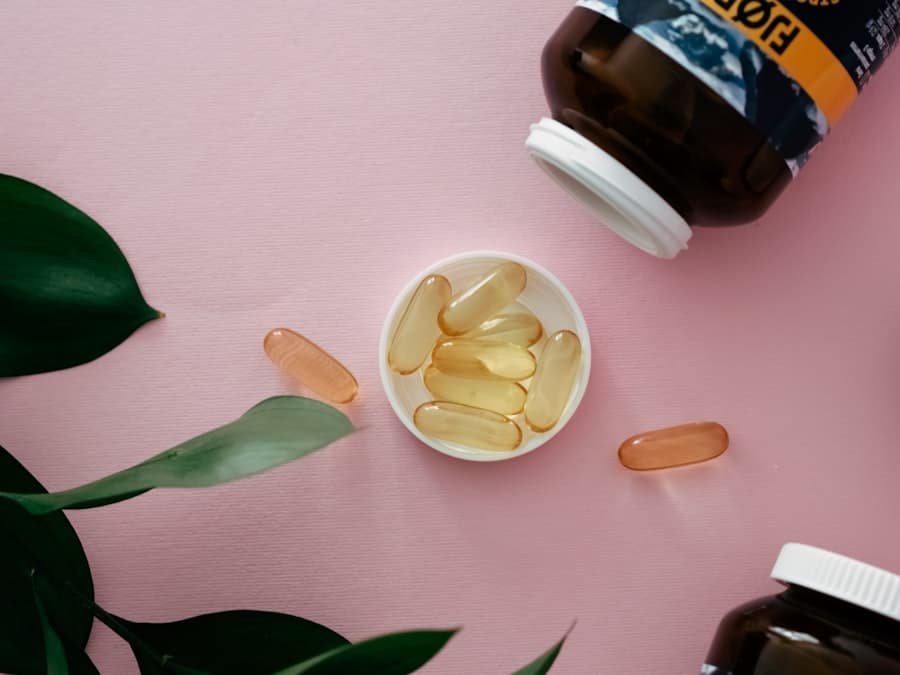
Omega-3 fatty acids, found in fish oil supplements, can also help combat inflammation and keep your skin hydrated from within. These essential fatty acids are vital for maintaining healthy, glowing skin.
Consulting a Healthcare Professional
Before starting any supplement regimen, it’s essential to consult with a healthcare professional to determine which supplements are right for you based on your individual needs. They can help you create a personalized plan to ensure you’re getting the nutrients your skin needs to thrive.
How to Choose the Right Health Supplement for Clear Skin
Choosing the right health supplement for clear skin requires careful consideration of various factors. First and foremost, assess your dietary habits to identify any potential gaps in nutrition that could be affecting your skin health. If you find that you’re not getting enough fruits or vegetables in your diet, a multivitamin may be beneficial.
Alternatively, if you’re struggling with specific issues like acne or dryness, targeted supplements containing ingredients like zinc or omega-3s may be more appropriate. When selecting supplements, always opt for high-quality products from reputable brands. Look for those that have been third-party tested for purity and potency to ensure you’re getting what you pay for.
Additionally, pay attention to the dosage recommendations on the label; taking more than the recommended amount does not necessarily equate to better results and could even be harmful. By being informed about what you’re putting into your body, you can make choices that support clear skin effectively.
Tips for Maintaining Clear Skin for the Long Term
Maintaining clear skin is an ongoing process that requires commitment and consistency. One of the most effective tips for long-term success is establishing a daily skincare routine tailored to your specific skin type. This routine should include cleansing, exfoliating, moisturizing, and applying sunscreen daily to protect against UV damage.
Regularly updating your skincare products based on seasonal changes or shifts in your skin’s condition can also help keep it looking its best. In addition to skincare products, lifestyle choices play a significant role in maintaining clear skin over time. Prioritizing sleep is essential; aim for 7-9 hours each night to allow your body to repair itself fully.
Additionally, staying mindful of stress levels through relaxation techniques or hobbies can prevent flare-ups caused by anxiety or tension. Lastly, remember that patience is key; achieving clear skin takes time and dedication but is well worth the effort when you see the results reflected in the mirror. By adopting these habits into your daily life, you can enjoy clear skin for years to come.
If you are interested in learning more about the importance of proper nutrition for clear skin, check out the article on What is the Proper Nutrition. This article delves into the role that nutrition plays in maintaining healthy skin and offers tips on how to incorporate essential nutrients into your diet. Additionally, you may also want to explore the latest studies and findings on supplement effectiveness in skincare by visiting Latest Studies and Findings on Supplement Effectiveness. These resources can provide valuable insights into how health supplements can contribute to achieving clear and radiant skin.
FAQs
What is a health supplement for clear skin?
A health supplement for clear skin is a product that contains vitamins, minerals, and other nutrients that are believed to support healthy skin. These supplements are often taken in addition to a balanced diet and proper skincare routine.
What are the common ingredients in health supplements for clear skin?
Common ingredients in health supplements for clear skin may include vitamins A, C, and E, as well as zinc, selenium, and omega-3 fatty acids. These nutrients are thought to support skin health and may help reduce the appearance of blemishes and promote a clear complexion.
Are health supplements for clear skin effective?
The effectiveness of health supplements for clear skin can vary from person to person. While some individuals may experience improvements in their skin after taking these supplements, others may not see significant changes. It’s important to consult with a healthcare professional before starting any new supplement regimen.
Are there any potential side effects of taking health supplements for clear skin?
Some individuals may experience side effects from taking health supplements for clear skin, such as digestive discomfort or allergic reactions. It’s important to follow the recommended dosage and consult with a healthcare professional if you have any concerns about potential side effects.
Can health supplements for clear skin replace a healthy diet and skincare routine?
Health supplements for clear skin are not intended to replace a healthy diet and skincare routine. While they may provide additional support for skin health, it’s important to maintain a balanced diet and proper skincare practices for overall well-being.


