
Beta-carotene is a pigment that belongs to the carotenoid family, which is responsible for the vibrant orange, yellow, and green hues found in many fruits and vegetables. As a precursor to vitamin A, beta-carotene plays a crucial role in maintaining various bodily functions, including vision, immune response, and skin health. When you consume foods rich in beta-carotene, your body converts it into retinol, the active form of vitamin A, which is essential for numerous physiological processes.
This powerful antioxidant not only contributes to your overall health but also helps protect your cells from oxidative stress caused by free radicals. By neutralizing these harmful molecules, beta-carotene can reduce the risk of chronic diseases and promote longevity. Understanding the significance of beta-carotene in your diet can empower you to make informed choices about your nutrition and well-being.
Key Takeaways
- Beta-carotene is a red-orange pigment found in plants and fruits, especially carrots and colorful vegetables.
- Beta-carotene is a powerful antioxidant that can help protect the body from free radicals and support overall health.
- Good food sources of beta-carotene include carrots, sweet potatoes, spinach, and kale.
- Beta-carotene supplements can improve eye health, boost the immune system, and promote healthy skin.
- The recommended dosage of beta-carotene supplements is 15-30 mg per day for adults, but it’s important to consult a healthcare professional before starting any new supplement regimen.
The Health Benefits of Beta-Carotene
Incorporating beta-carotene into your diet can yield a multitude of health benefits. One of the most notable advantages is its role in supporting eye health. As you age, the risk of developing age-related macular degeneration (AMD) increases.
Studies have shown that a diet rich in beta-carotene may help lower this risk by protecting the retina from oxidative damage. By ensuring you consume adequate amounts of this nutrient, you can take proactive steps toward maintaining your vision as you grow older. Moreover, beta-carotene is known for its immune-boosting properties.
It enhances the function of immune cells, helping your body fend off infections and illnesses more effectively. This is particularly important during cold and flu season when your immune system needs all the support it can get. By including beta-carotene-rich foods in your meals, you can fortify your defenses and promote overall health.
Sources of Beta-Carotene in Food
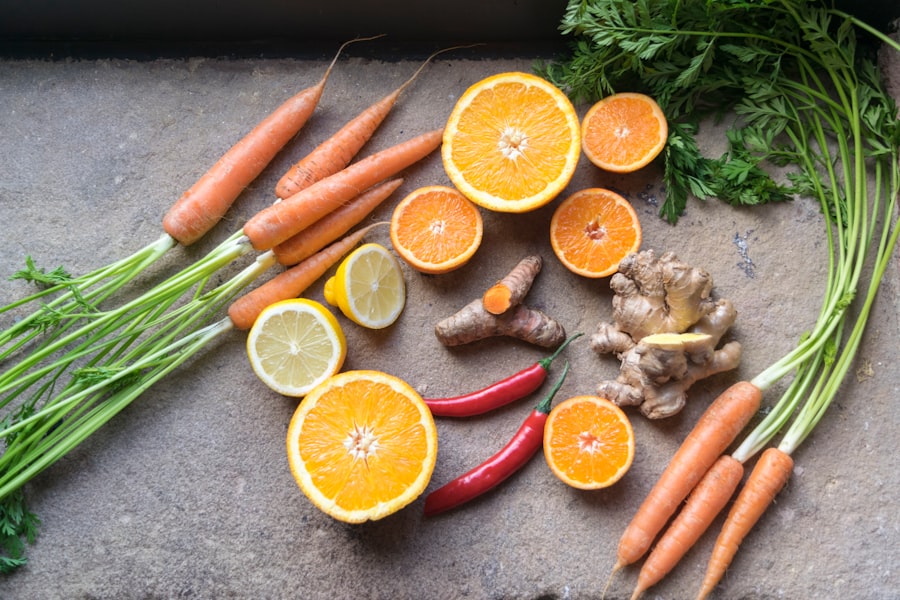
You can find beta-carotene in a variety of delicious and nutritious foods. Carrots are perhaps the most well-known source, but they are far from the only option available to you. Sweet potatoes, with their vibrant orange flesh, are another excellent source that not only provides beta-carotene but also offers fiber and other essential nutrients.
Incorporating these foods into your diet can be both enjoyable and beneficial for your health. In addition to carrots and sweet potatoes, leafy greens such as spinach and kale are also rich in beta-carotene. These greens may not have the same bright color as their orange counterparts, but they are packed with this vital nutrient.
By diversifying your intake of beta-carotene sources, you can ensure that you receive a wide range of vitamins and minerals that contribute to your overall well-being.
How Beta-Carotene Supplements Can Improve Your Health
| Health Benefit | Explanation |
|---|---|
| Improved Vision | Beta-carotene is converted into vitamin A, which is essential for good vision. |
| Enhanced Immune Function | It helps in boosting the immune system and fighting off infections. |
| Reduced Risk of Chronic Diseases | It acts as an antioxidant, protecting cells from damage and reducing the risk of chronic diseases. |
| Healthy Skin | Beta-carotene can help in maintaining healthy skin and may protect against sunburn. |
| Heart Health | It may reduce the risk of heart disease by preventing the oxidation of cholesterol. |
While obtaining nutrients from whole foods is always recommended, beta-carotene supplements can serve as a convenient alternative for those who struggle to meet their daily requirements through diet alone. These supplements can provide a concentrated dose of beta-carotene, making it easier for you to reap its benefits without having to consume large quantities of food. This can be particularly useful for individuals with dietary restrictions or those who may not enjoy the taste of beta-carotene-rich foods.
Furthermore, beta-carotene supplements have been linked to improved skin health. Research suggests that they may help protect your skin from sun damage and enhance its overall appearance. If you’re looking to maintain a youthful glow or reduce the signs of aging, incorporating beta-carotene supplements into your routine could be a beneficial strategy.
However, it’s essential to approach supplementation with caution and consult with a healthcare professional before starting any new regimen.
Recommended Dosage of Beta-Carotene Supplements
Determining the appropriate dosage of beta-carotene supplements can be challenging, as individual needs may vary based on factors such as age, sex, and overall health. Generally, a daily intake of 6 to 15 milligrams is considered safe for most adults. However, it’s crucial to remember that more isn’t always better; excessive consumption of beta-carotene can lead to an imbalance in vitamin A levels in your body.
Before starting any supplement regimen, it’s wise to consult with a healthcare provider who can assess your specific needs and recommend an appropriate dosage tailored to your lifestyle. They can help you navigate the complexities of supplementation and ensure that you’re making choices that align with your health goals.
Potential Risks and Side Effects of Beta-Carotene Supplements

While beta-carotene is generally considered safe when consumed through food sources, supplementation may carry some risks. One significant concern is that high doses of beta-carotene supplements have been linked to an increased risk of lung cancer in smokers and those exposed to asbestos. This highlights the importance of being cautious when considering supplementation, especially if you fall into these categories.
Additionally, excessive intake of beta-carotene can lead to carotenemia, a harmless condition characterized by yellowing of the skin due to high levels of carotenoids in the bloodstream. While this condition is not harmful, it can be alarming if you notice changes in your skin color. To avoid potential side effects, it’s essential to stick to recommended dosages and prioritize obtaining nutrients from whole foods whenever possible.
Choosing the Right Beta-Carotene Supplement
When it comes to selecting a beta-carotene supplement, quality matters. Look for products that are derived from natural sources rather than synthetic options, as natural forms are often better absorbed by the body. Additionally, consider choosing supplements that contain mixed carotenoids rather than just isolated beta-carotene; this approach may provide a broader range of benefits due to the synergistic effects of various carotenoids working together.
Reading labels carefully is also crucial when choosing a supplement. Ensure that the product is free from unnecessary additives or fillers that could compromise its quality. Opting for reputable brands with third-party testing can provide peace of mind regarding the purity and potency of the supplement you choose.
Incorporating Beta-Carotene into Your Daily Routine
Integrating beta-carotene into your daily routine doesn’t have to be complicated or tedious. Start by adding more colorful fruits and vegetables to your meals; think about incorporating carrots into salads or snacking on sweet potato fries instead of regular ones. You might also consider blending leafy greens into smoothies for a nutrient-packed breakfast or snack option.
If you’re interested in supplementation, remember to consult with a healthcare professional first. Once you’ve established a suitable dosage, you can easily incorporate it into your daily routine alongside your other vitamins and minerals. By making small adjustments to your diet and lifestyle, you can enjoy the numerous health benefits that beta-carotene has to offer while enhancing your overall well-being.
If you are interested in learning more about supplements for seniors, you may want to check out this article on Health Nutrition Supplements. It provides valuable information on the best supplements to support the health and well-being of older adults. Additionally, if you are looking to improve cognitive health and focus, you may find this article helpful. And if you want to debunk common myths about supplements, be sure to read this informative article on the same website.
FAQs
What is beta-carotene?
Beta-carotene is a red-orange pigment found in plants and fruits, especially in carrots, sweet potatoes, and green leafy vegetables. It is a precursor to vitamin A and is converted to vitamin A in the body.
What are the health benefits of beta-carotene?
Beta-carotene is a powerful antioxidant that helps protect the body from damage caused by free radicals. It is also important for maintaining healthy skin, vision, and immune function. Some studies suggest that beta-carotene may also reduce the risk of certain chronic diseases, such as heart disease and certain types of cancer.
How can I get beta-carotene in my diet?
Beta-carotene is found in a variety of fruits and vegetables, particularly those that are red, orange, and green in color. Some good sources of beta-carotene include carrots, sweet potatoes, spinach, kale, and apricots.
What is a beta-carotene health supplement?
A beta-carotene health supplement is a pill, capsule, or liquid that contains a concentrated form of beta-carotene. These supplements are often used to increase the intake of beta-carotene for those who may not get enough from their diet.
Are there any risks associated with taking beta-carotene supplements?
High doses of beta-carotene supplements may increase the risk of lung cancer in smokers and those exposed to asbestos. It is important to talk to a healthcare professional before starting any new supplement regimen, especially if you have any existing health conditions or are taking medications.


