
Prebiotics are a fascinating component of nutrition that you may not have fully explored yet. They are non-digestible food ingredients that serve as nourishment for the beneficial bacteria residing in your gut. Unlike probiotics, which are live bacteria that you can consume, prebiotics are essentially the food that helps these good bacteria thrive.
By including prebiotics in your diet, you can create an environment in your gut that promotes the growth of these beneficial microorganisms, ultimately leading to improved digestive health and overall well-being. The concept of prebiotics is rooted in the idea that not all fibers are created equal. While many fibers can aid digestion, prebiotics specifically stimulate the growth and activity of beneficial gut bacteria.
This distinction is crucial because it highlights the importance of not just consuming fiber but choosing the right types that can positively impact your gut microbiome. Understanding prebiotics is the first step toward harnessing their potential benefits for your health.
Key Takeaways
- Prebiotics are non-digestible fibers that promote the growth of beneficial bacteria in the gut.
- Benefits of prebiotics for gut health include improved digestion, enhanced immune function, and reduced inflammation.
- Sources of prebiotics include foods like garlic, onions, bananas, and whole grains.
- Prebiotics support good bacteria by providing them with the necessary nutrients to thrive and outcompete harmful bacteria.
- When choosing a prebiotics supplement, look for one that contains a variety of prebiotic fibers and has been tested for quality and efficacy.
Benefits of Prebiotics for Gut Health
Enhancing Gut Microbiota Balance
A healthy gut microbiome is essential for proper digestion, nutrient absorption, and immune function. By consuming prebiotics, you can help increase the population of beneficial bacteria, which can outcompete harmful bacteria and reduce the risk of gastrointestinal issues such as bloating, constipation, and diarrhea.
Metabolic Health Benefits
Moreover, prebiotics have been linked to improved metabolic health. They can help regulate blood sugar levels and enhance insulin sensitivity, which is particularly beneficial for those at risk of developing type 2 diabetes.
Promoting Overall Well-being
Additionally, prebiotics may play a role in weight management by promoting feelings of fullness and reducing appetite. This multifaceted approach to health makes prebiotics an essential component of a balanced diet, contributing not only to gut health but also to overall physical well-being.
Sources of Prebiotics
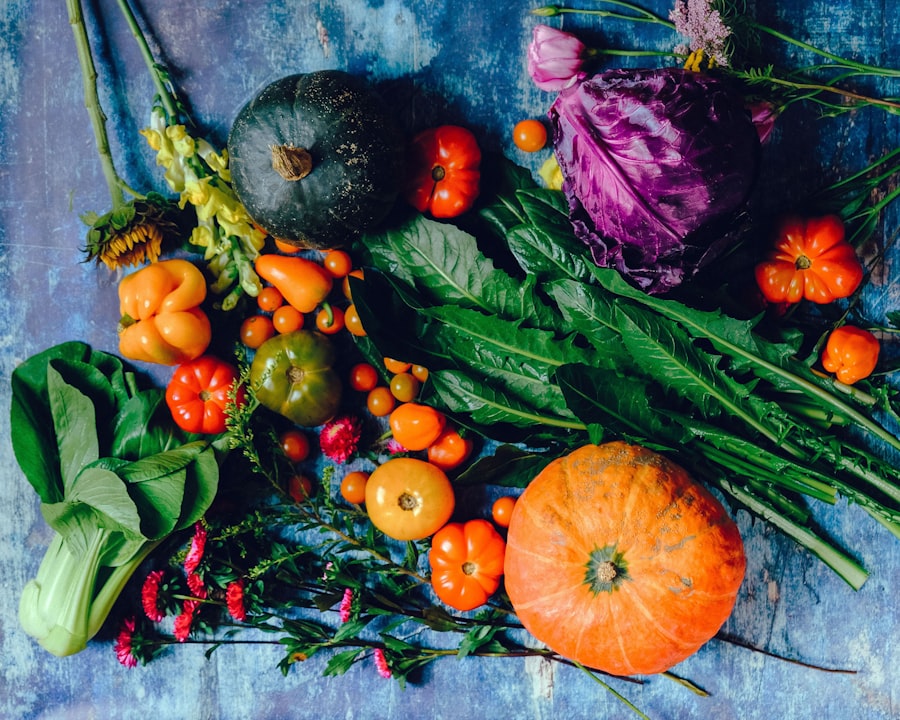
Incorporating prebiotics into your diet can be both enjoyable and straightforward, as they are found in a variety of foods. Some of the richest sources include fruits and vegetables such as bananas, onions, garlic, leeks, asparagus, and artichokes. These foods contain specific types of fibers known as inulin and fructooligosaccharides (FOS), which are particularly effective at promoting the growth of beneficial gut bacteria.
Whole grains also serve as excellent sources of prebiotics. Foods like oats, barley, and whole wheat contain resistant starches that act as prebiotic fibers. Legumes such as lentils, chickpeas, and beans are not only high in protein but also packed with prebiotic fibers that can support your gut health.
By diversifying your diet with these foods, you can easily increase your intake of prebiotics while enjoying a wide range of flavors and textures.
How Prebiotics Support Good Bacteria
| Benefits of Prebiotics for Good Bacteria | Explanation |
|---|---|
| Increased Growth | Prebiotics provide food for beneficial bacteria, promoting their growth. |
| Improved Gut Health | Good bacteria supported by prebiotics can help maintain a healthy gut environment. |
| Enhanced Immune Function | Prebiotics can contribute to the development of a strong immune system through the support of beneficial bacteria. |
| Reduced Inflammation | Good bacteria nourished by prebiotics may help reduce inflammation in the gut. |
Prebiotics play a crucial role in supporting good bacteria in your gut by providing them with the necessary fuel to thrive. When you consume prebiotic-rich foods, these fibers pass through your digestive system undigested until they reach the colon. Here, they are fermented by beneficial bacteria, leading to the production of short-chain fatty acids (SCFAs) like butyrate, propionate, and acetate.
These SCFAs are vital for maintaining gut health as they provide energy to colon cells and help regulate inflammation. Furthermore, by fostering a healthy environment for good bacteria, prebiotics can help enhance your immune system. A balanced gut microbiome is closely linked to immune function; when beneficial bacteria flourish, they can help fend off pathogens and reduce the risk of infections.
This symbiotic relationship between prebiotics and good bacteria underscores the importance of including these fibers in your diet to support not only digestive health but also overall immunity.
Choosing the Right Prebiotics Supplement
If you find it challenging to get enough prebiotics from food alone, you might consider taking a prebiotic supplement. However, choosing the right supplement requires careful consideration. Look for products that contain well-researched prebiotic fibers such as inulin or FOS.
These ingredients have been shown to effectively promote gut health and support beneficial bacteria. Additionally, pay attention to the dosage and formulation of the supplement. Some products may contain a blend of different prebiotic fibers, which can be beneficial for enhancing diversity in your gut microbiome.
It’s also wise to choose supplements from reputable brands that undergo third-party testing to ensure quality and efficacy. By making informed choices about prebiotic supplements, you can effectively support your gut health while complementing your dietary intake.
Incorporating Prebiotics into Your Diet

Incorporating prebiotics into your daily diet can be both simple and enjoyable. Start by gradually adding more fruits and vegetables known for their prebiotic content into your meals. For instance, you could add sliced bananas to your morning oatmeal or toss some garlic into your stir-fry dishes.
Experimenting with different recipes can make it easier to include these foods without feeling overwhelmed. Another effective strategy is to swap out refined grains for whole grains in your meals. Instead of white rice or pasta, opt for quinoa or whole grain options that provide additional fiber and nutrients.
Snacking on legumes or incorporating them into salads can also be a delicious way to boost your prebiotic intake. By making small adjustments to your eating habits, you can seamlessly integrate prebiotics into your diet while enjoying a variety of flavors.
Precautions and Potential Side Effects
While prebiotics offer numerous health benefits, it’s essential to be aware of potential side effects associated with their consumption. Some individuals may experience gastrointestinal discomfort when they first increase their intake of prebiotic fibers. Symptoms such as bloating, gas, or cramping can occur as your gut adjusts to the changes in fiber consumption.
To mitigate these effects, it’s advisable to introduce prebiotics gradually into your diet rather than making sudden large increases. Additionally, individuals with certain digestive disorders such as irritable bowel syndrome (IBS) may need to be cautious with their prebiotic intake. Some types of prebiotic fibers can exacerbate symptoms in sensitive individuals.
If you have any concerns about how prebiotics may affect you personally, it’s best to consult with a healthcare professional who can provide tailored advice based on your specific health needs.
Consultation with a Healthcare Professional
Before making significant changes to your diet or starting any new supplements, consulting with a healthcare professional is always a wise decision. They can help assess your individual health status and dietary needs while providing personalized recommendations regarding prebiotic intake. This is especially important if you have underlying health conditions or are taking medications that may interact with dietary changes.
A healthcare professional can also guide you on how to effectively incorporate prebiotics into your diet while monitoring any potential side effects you may experience. They can help you create a balanced eating plan that includes a variety of foods rich in prebiotics while ensuring that you meet all your nutritional needs. By seeking professional guidance, you can confidently embark on your journey toward better gut health through the power of prebiotics.
If you are interested in learning more about overall health supplements, you may want to check out this article on the best supplement for overall health. It provides valuable information on various supplements that can support your overall well-being. Additionally, if you are curious about the benefits of zinc, you can read this article on zinc supplements and how they can contribute to your health. Lastly, if you want to be aware of potential side effects and precautions when taking supplements, this article on potential side effects and precautions is a must-read. These resources can help you make informed decisions about your health supplement choices.
FAQs
What are prebiotics?
Prebiotics are non-digestible fibers that promote the growth and activity of beneficial bacteria in the gut. They are found in certain foods and can also be taken as a supplement.
What are the benefits of prebiotics?
Prebiotics can help improve digestion, enhance nutrient absorption, support a healthy immune system, and promote overall gut health. They may also help reduce the risk of certain diseases and improve mental well-being.
How do prebiotics differ from probiotics?
While prebiotics are non-digestible fibers that promote the growth of beneficial bacteria, probiotics are live beneficial bacteria that can be found in certain foods or taken as a supplement. Both prebiotics and probiotics are important for maintaining a healthy gut microbiome.
What are some food sources of prebiotics?
Some natural food sources of prebiotics include garlic, onions, leeks, asparagus, bananas, and whole grains. These foods contain high levels of inulin, a type of prebiotic fiber.
Are there any side effects of taking prebiotic supplements?
In general, prebiotic supplements are considered safe for most people. However, some individuals may experience mild digestive discomfort such as bloating or gas when first starting to take prebiotics. It is always best to consult with a healthcare professional before starting any new supplement regimen.


