
N-Acetyl Cysteine, commonly referred to as NAC, is a derivative of the amino acid cysteine. It plays a crucial role in the synthesis of glutathione, one of the body’s most powerful antioxidants. By providing a readily available source of cysteine, NAC helps to replenish glutathione levels, which can be depleted due to various factors such as stress, poor diet, and environmental toxins.
This unique compound has garnered attention in both the medical and wellness communities for its potential health benefits and therapeutic applications. In addition to its antioxidant properties, NAC is known for its mucolytic effects, meaning it can help break down mucus in the lungs. This makes it particularly beneficial for individuals suffering from respiratory conditions.
Furthermore, NAC has been studied for its role in detoxification processes within the body, particularly in cases of acetaminophen overdose, where it acts as an antidote by replenishing glutathione levels. As you explore the world of supplements, understanding what NAC is and how it functions can provide valuable insights into its potential benefits for your health.
Key Takeaways
- N-Acetyl Cysteine (NAC) is a supplement form of the amino acid cysteine, which plays a crucial role in the production of the powerful antioxidant glutathione.
- Benefits of N-Acetyl Cysteine include supporting liver health, promoting respiratory health, and potentially improving mental health conditions such as depression and obsessive-compulsive disorder.
- When choosing the best N-Acetyl Cysteine supplement, look for a reputable brand with third-party testing for purity and potency, and consider the form (capsule, powder, etc.) that best suits your needs.
- The recommended dosage of N-Acetyl Cysteine varies depending on the specific health condition being targeted, but typical doses range from 600mg to 1800mg per day.
- Potential side effects of N-Acetyl Cysteine may include nausea, vomiting, and diarrhea, and it may interact with certain medications, so it’s important to consult with a healthcare professional before starting supplementation.
Benefits of N-Acetyl Cysteine
Supporting Liver Health
One of the most notable advantages of NAC is its ability to support liver health. By enhancing the liver’s detoxification processes, NAC helps to eliminate harmful substances from the body, promoting optimal liver function. This is particularly important for individuals who may be exposed to toxins or who consume alcohol regularly.
Improving Respiratory Health
Moreover, NAC has been shown to have a positive impact on respiratory health. Its mucolytic properties help to thin and loosen mucus in the airways, making it easier to breathe. This can be especially beneficial for those with chronic obstructive pulmonary disease (COPD), asthma, or other respiratory conditions.
Enhancing Overall Well-being
By improving lung function and reducing inflammation, NAC can contribute to a better quality of life for individuals struggling with respiratory issues. As you consider incorporating NAC into your routine, it’s essential to recognize the wide array of benefits it offers.
How to Choose the Best N-Acetyl Cysteine Supplement

When it comes to selecting the best N-Acetyl Cysteine supplement, there are several factors you should consider to ensure you make an informed choice. First and foremost, look for products that contain high-quality ingredients and are manufactured by reputable companies. Reading customer reviews and checking for third-party testing can provide insight into the product’s efficacy and safety.
You want to ensure that the supplement you choose is free from contaminants and meets high standards of quality. Additionally, pay attention to the dosage and form of NAC in the supplement. NAC is available in various forms, including capsules, tablets, and powders.
Depending on your preferences and lifestyle, you may find one form more convenient than another. It’s also important to consider the dosage; some products may contain higher concentrations of NAC than others. As you navigate your options, take the time to research and compare different brands to find one that aligns with your health goals and needs.
Dosage and Usage of N-Acetyl Cysteine
Determining the appropriate dosage of N-Acetyl Cysteine can vary based on individual health needs and specific conditions being addressed. Generally, a common dosage range for NAC supplementation is between 600 mg to 1,800 mg per day, divided into two or three doses. However, it’s crucial to consult with a healthcare professional before starting any new supplement regimen.
They can provide personalized recommendations based on your health history and any medications you may be taking. When using NAC, it’s advisable to take it on an empty stomach for optimal absorption. This means consuming it at least 30 minutes before meals or two hours after eating.
Some individuals may experience gastrointestinal discomfort when taking NAC; if this occurs, consider taking it with food or reducing the dosage. As you incorporate NAC into your daily routine, monitoring how your body responds can help you determine the best approach for your unique situation.
Potential Side Effects of N-Acetyl Cysteine
While N-Acetyl Cysteine is generally considered safe for most individuals when taken at recommended dosages, it’s essential to be aware of potential side effects that may arise. Some users report mild gastrointestinal issues such as nausea, diarrhea, or abdominal discomfort. These side effects are often temporary and may subside as your body adjusts to the supplement.
If you experience persistent or severe symptoms, it’s advisable to discontinue use and consult a healthcare professional. In rare cases, individuals may experience allergic reactions to NAC, which could manifest as skin rashes, itching, or difficulty breathing. If you notice any signs of an allergic reaction after taking NAC, seek medical attention immediately.
Additionally, if you have certain medical conditions or are taking medications that could interact with NAC, it’s crucial to discuss this with your healthcare provider before starting supplementation. Being informed about potential side effects can help you make safer choices regarding your health.
N-Acetyl Cysteine and Mental Health
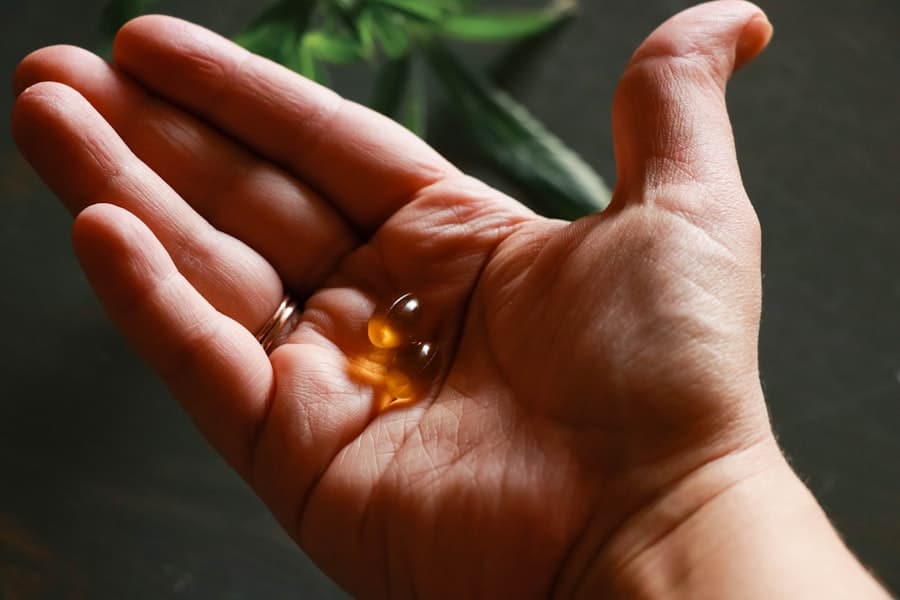
N-Acetyl Cysteine has gained attention in recent years for its potential benefits in supporting mental health. Research suggests that NAC may play a role in alleviating symptoms associated with mood disorders such as depression and anxiety. One proposed mechanism is its ability to modulate glutamate levels in the brain, which can influence mood regulation and cognitive function.
By promoting a healthy balance of neurotransmitters, NAC may contribute to improved emotional well-being. Furthermore, studies have indicated that NAC may be beneficial for individuals dealing with obsessive-compulsive disorder (OCD) and bipolar disorder. Its antioxidant properties may help reduce oxidative stress in the brain, which has been linked to various mental health conditions.
As you explore options for supporting your mental health, considering supplements like NAC could be a valuable addition to your overall wellness strategy.
N-Acetyl Cysteine and Respiratory Health
The impact of N-Acetyl Cysteine on respiratory health is well-documented and widely recognized in both clinical settings and among health enthusiasts. Its mucolytic properties make it an effective treatment for conditions characterized by excessive mucus production, such as chronic bronchitis and cystic fibrosis. By thinning mucus in the airways, NAC facilitates easier breathing and helps clear congestion, allowing for improved lung function.
In addition to its mucolytic effects, NAC has been studied for its anti-inflammatory properties in the respiratory system. Chronic inflammation can exacerbate respiratory conditions; therefore, reducing inflammation may lead to better overall lung health. If you suffer from respiratory issues or are looking for ways to support your lung function, incorporating NAC into your routine could provide significant benefits.
N-Acetyl Cysteine and Liver Health
N-Acetyl Cysteine is perhaps best known for its role in promoting liver health through its powerful antioxidant properties. The liver is responsible for detoxifying harmful substances from the body; however, factors such as poor diet, alcohol consumption, and exposure to environmental toxins can compromise its function. By replenishing glutathione levels in the liver, NAC aids in detoxification processes and helps protect liver cells from oxidative damage.
Moreover, research has shown that NAC may be beneficial for individuals with liver diseases such as non-alcoholic fatty liver disease (NAFLD) and hepatitis. Its ability to reduce inflammation and improve liver function markers makes it a promising adjunct therapy for those dealing with liver-related issues. As you consider ways to support your liver health, incorporating N-Acetyl Cysteine into your wellness routine could be a proactive step toward maintaining optimal liver function and overall well-being.
If you are interested in learning more about supplements for joint and bone health, you may want to check out this informative article here. It provides valuable information on how to support your joints and bones through proper supplementation. Additionally, if you are curious about what nutrients you need daily, you can read this article here. And for men looking for the best multivitamin, this article here offers recommendations and insights on choosing the right supplement for optimal health.
FAQs
What is N-Acetyl Cysteine (NAC)?
N-Acetyl Cysteine (NAC) is a supplement form of the amino acid cysteine. It is known for its antioxidant properties and its ability to support liver health.
What are the potential health benefits of N-Acetyl Cysteine?
N-Acetyl Cysteine has been studied for its potential benefits in supporting respiratory health, liver function, and antioxidant activity. It may also help with detoxification and the management of certain mental health conditions.
How is N-Acetyl Cysteine typically used?
N-Acetyl Cysteine is commonly taken in supplement form, usually in capsule or powder form. It is important to follow the recommended dosage on the product label or as directed by a healthcare professional.
Are there any potential side effects of N-Acetyl Cysteine?
While N-Acetyl Cysteine is generally considered safe for most people, some individuals may experience mild side effects such as nausea, vomiting, or diarrhea. It is important to consult with a healthcare professional before starting any new supplement regimen.
Can N-Acetyl Cysteine interact with medications or medical conditions?
N-Acetyl Cysteine may interact with certain medications or medical conditions, so it is important to discuss its use with a healthcare professional, especially if you are pregnant, nursing, or have a pre-existing medical condition.


