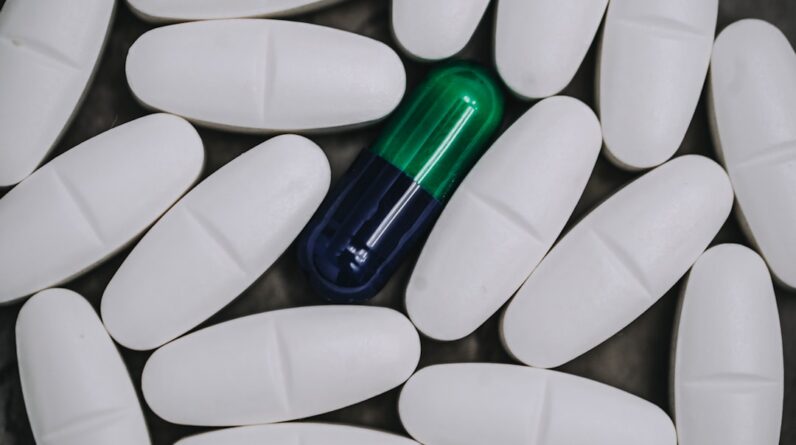
Vitamin B12, also known as cobalamin, is a water-soluble vitamin that plays a crucial role in various bodily functions. It is essential for the production of red blood cells, DNA synthesis, and the proper functioning of the nervous system. This vitamin is unique among the B vitamins due to its complex structure and the presence of cobalt, which gives it its name.
Cobalamin is primarily found in animal-based foods, making it particularly important for individuals following vegetarian or vegan diets to be aware of their intake. You may be surprised to learn that Vitamin B12 is not produced by plants or animals but is synthesized by certain bacteria. This means that the primary sources of B12 in your diet come from animal products such as meat, fish, eggs, and dairy.
For those who do not consume these foods, it becomes vital to seek alternative sources or supplements to ensure adequate levels of this essential nutrient. Understanding the nature of Vitamin B12 and its sources can help you make informed dietary choices that support your overall health.
Key Takeaways
- Vitamin B12-Cobalamin is a water-soluble vitamin that plays a crucial role in the normal functioning of the brain and nervous system.
- Benefits of Vitamin B12-Cobalamin include improved energy levels, better mood, and support for healthy hair, skin, and nails.
- Signs of Vitamin B12-Cobalamin Deficiency may include fatigue, weakness, constipation, loss of appetite, and neurological issues.
- When choosing the best Vitamin B12-Cobalamin supplement, look for methylcobalamin or adenosylcobalamin forms for better absorption.
- The recommended dosage of Vitamin B12-Cobalamin supplement is 2.4 mcg per day for adults, and it is best taken with a meal to enhance absorption.
Benefits of Vitamin B12-Cobalamin
The benefits of Vitamin B12 are extensive and multifaceted. One of the most significant advantages is its role in energy production. By aiding in the metabolism of carbohydrates and fats, B12 helps convert food into energy, which can enhance your overall vitality and reduce feelings of fatigue.
If you often find yourself feeling sluggish or low on energy, ensuring you have sufficient B12 levels could be a game-changer for your daily performance. Moreover, Vitamin B12 is vital for maintaining a healthy nervous system. It contributes to the production of myelin, a protective sheath that surrounds nerve fibers, ensuring efficient communication between your brain and body.
A deficiency in B12 can lead to neurological issues, including numbness, tingling sensations, and even cognitive decline. By prioritizing your intake of this vitamin, you can support not only your physical health but also your mental well-being.
Signs of Vitamin B12-Cobalamin Deficiency

Recognizing the signs of Vitamin B12 deficiency is crucial for maintaining your health. Some common symptoms include fatigue, weakness, and pale skin. You might also experience shortness of breath or dizziness due to a decrease in red blood cell production.
If you notice these symptoms persisting over time, it may be worth consulting with a healthcare professional to assess your B12 levels. In addition to physical symptoms, cognitive changes can also indicate a deficiency. You may find yourself experiencing memory lapses, difficulty concentrating, or even mood swings.
These cognitive effects can significantly impact your daily life and overall quality of life. Being aware of these signs can empower you to take proactive steps toward addressing any potential deficiencies before they escalate into more serious health issues.
How to Choose the Best Vitamin B12-Cobalamin Supplement
When it comes to selecting a Vitamin B12 supplement, there are several factors to consider to ensure you choose the best option for your needs. First and foremost, you should look for the form of B12 that suits you best. The most common forms include methylcobalamin and cyanocobalamin.
Methylcobalamin is often preferred due to its bioavailability and ability to be utilized directly by the body without conversion. Additionally, consider the dosage and delivery method that works best for you. Supplements come in various forms, including tablets, capsules, sublingual lozenges, and even injections.
If you have difficulty swallowing pills or prefer a quicker absorption method, sublingual options may be ideal for you. Always read labels carefully and consult with a healthcare provider if you’re unsure about which supplement aligns with your health goals.
Dosage and Usage of Vitamin B12-Cobalamin Supplement
Determining the appropriate dosage of Vitamin B12 can vary based on individual needs and health conditions. The recommended dietary allowance (RDA) for adults is typically around 2.4 micrograms per day; however, this may differ for pregnant or breastfeeding women. If you are considering supplementation due to a diagnosed deficiency or specific health concerns, your healthcare provider may recommend higher doses tailored to your situation.
When taking a Vitamin B12 supplement, consistency is key. Incorporating it into your daily routine can help ensure you maintain adequate levels over time. Whether you choose to take it in the morning with breakfast or at another time that suits you best, establishing a habit will make it easier to remember.
Additionally, be mindful of any interactions with other medications or supplements you may be taking; discussing these with your healthcare provider can help you avoid potential complications.
Potential Side Effects of Vitamin B12-Cobalamin Supplement

Common Side Effects
Mild gastrointestinal issues are the most common side effects of Vitamin B12 supplements. These can include nausea or diarrhea. If you experience any discomfort after starting a new supplement regimen, it’s essential to monitor your symptoms and consult with a healthcare professional if they persist.
Allergic Reactions
In rare cases, allergic reactions can occur, leading to symptoms such as itching, rash, or swelling. If you experience any severe reactions after taking a Vitamin B12 supplement, seek medical attention immediately.
Prioritizing Health and Safety
Being aware of these potential side effects can help you make informed decisions about your supplementation and ensure that you prioritize your health and safety.
Best Practices for Taking Vitamin B12-Cobalamin Supplement
To maximize the benefits of your Vitamin B12 supplementation, consider implementing some best practices into your routine. First, take your supplement with food to enhance absorption and minimize any potential gastrointestinal discomfort. Pairing it with a meal that contains healthy fats may further improve its bioavailability.
Additionally, keep track of your progress by monitoring how you feel after starting the supplement. You might notice improvements in energy levels or cognitive function over time. Regular check-ins with your healthcare provider can also help assess whether your supplementation is effective and if any adjustments are necessary based on blood tests or symptoms.
The Importance of Vitamin B12-Cobalamin for Overall Health
In conclusion, Vitamin B12-cobalamin is an essential nutrient that plays a vital role in maintaining overall health and well-being. From energy production to supporting cognitive function and nervous system health, its benefits are far-reaching. Recognizing the signs of deficiency and understanding how to choose the right supplement can empower you to take control of your health.
As you navigate your dietary choices and supplementation options, remember that maintaining adequate levels of Vitamin B12 is crucial for everyone—especially those following specific diets or experiencing certain health conditions. By prioritizing this essential vitamin in your daily routine, you can support not only your physical health but also enhance your mental clarity and emotional well-being.
If you are interested in learning more about antioxidants and their benefits for overall health, check out this informative article on antioxidants. Antioxidants play a crucial role in protecting our cells from damage caused by free radicals, which can contribute to various health issues. Understanding the importance of antioxidants can help you make informed decisions about your health and wellness.
FAQs
What is Vitamin B12-Cobalamin?
Vitamin B12, also known as cobalamin, is a water-soluble vitamin that plays a crucial role in the functioning of the brain and nervous system, as well as the formation of red blood cells.
What are the benefits of taking a Vitamin B12-Cobalamin health supplement?
Taking a Vitamin B12-Cobalamin health supplement can help prevent vitamin B12 deficiency, which can lead to symptoms such as fatigue, weakness, and neurological problems. It also supports the body’s energy production, DNA synthesis, and overall cognitive function.
Who may benefit from taking a Vitamin B12-Cobalamin health supplement?
Individuals who may benefit from taking a Vitamin B12-Cobalamin health supplement include vegetarians and vegans who may not get enough B12 from their diet, older adults who may have difficulty absorbing B12 from food, and individuals with certain medical conditions that affect B12 absorption.
What are the sources of Vitamin B12-Cobalamin?
Vitamin B12-Cobalamin is naturally found in animal products such as meat, fish, eggs, and dairy. It can also be found in fortified foods and supplements.
What are the potential side effects of taking a Vitamin B12-Cobalamin health supplement?
In general, Vitamin B12-Cobalamin health supplements are considered safe and well-tolerated. However, in some cases, high doses of B12 supplements may cause mild side effects such as diarrhea, itching, or rash. It is important to consult with a healthcare professional before starting any new supplement regimen.