Asthma is a chronic respiratory condition that affects millions of people worldwide. If you or someone you know has asthma, understanding its symptoms is crucial for effective management. Common symptoms include wheezing, coughing, shortness of breath, and chest tightness.
These symptoms can vary in intensity and frequency, often worsening during physical activity or exposure to allergens. You may notice that certain triggers, such as pollen, dust mites, or cold air, can exacerbate your condition, leading to an asthma attack. Recognizing these symptoms early can help you take proactive measures to prevent severe episodes.
In addition to the more common symptoms, you might also experience fatigue or difficulty sleeping due to nighttime coughing or breathlessness. This can significantly impact your quality of life, making it essential to monitor your condition closely. Keeping a symptom diary can be beneficial; by noting when and where your symptoms occur, you can identify patterns and potential triggers.
This awareness not only empowers you but also aids healthcare providers in tailoring a management plan that suits your specific needs.
Key Takeaways
- Asthma symptoms can include wheezing, shortness of breath, chest tightness, and coughing, and can vary in severity.
- Flovent is an effective medication for controlling asthma symptoms, but it may have side effects such as throat irritation and oral thrush.
- Natural alternatives to Flovent include breathing exercises, avoiding triggers, and using essential oils for aromatherapy.
- Dietary changes such as reducing processed foods, increasing omega-3 fatty acids, and consuming anti-inflammatory foods can help manage asthma symptoms.
- Herbal remedies like ginger, turmeric, and licorice root may help reduce inflammation and improve lung function in asthma patients.
- Breathing techniques such as pursed lip breathing and diaphragmatic breathing can help improve lung function and reduce asthma symptoms.
- Lifestyle modifications like regular exercise, stress management, and maintaining a clean living environment can help control asthma symptoms.
- Consulting with a healthcare professional is crucial for proper diagnosis, treatment, and management of asthma symptoms.
Flovent: Pros and Cons
Flovent is a widely prescribed inhaled corticosteroid used to manage asthma symptoms effectively. One of the primary advantages of Flovent is its ability to reduce inflammation in the airways, which can lead to fewer asthma attacks and improved lung function over time. If you are using Flovent as part of your asthma management plan, you may find that it helps you breathe easier and engage in daily activities with less restriction.
Many users report a significant improvement in their overall quality of life after incorporating this medication into their routine. However, like any medication, Flovent comes with its own set of potential drawbacks. Some individuals may experience side effects such as oral thrush, hoarseness, or a sore throat.
Additionally, while Flovent is effective for long-term control, it is not designed for immediate relief during an asthma attack. This means that if you rely solely on Flovent without having a rescue inhaler on hand, you may find yourself in a precarious situation during an acute episode. It’s essential to weigh these pros and cons carefully and discuss them with your healthcare provider to determine if Flovent is the right choice for you.
Natural Alternatives to Flovent

If you are seeking alternatives to Flovent for managing your asthma symptoms, there are several natural options worth considering. One popular approach is the use of breathing exercises and techniques that can help improve lung function and reduce stress. Practices such as yoga and tai chi not only promote relaxation but also enhance your respiratory capacity.
By incorporating these activities into your routine, you may find that your asthma symptoms become more manageable over time. Another natural alternative involves the use of essential oils, which some people find beneficial for alleviating asthma symptoms. Oils like eucalyptus and peppermint can be diffused in your living space or added to a warm bath to help open up the airways and promote easier breathing.
However, it’s important to note that while these alternatives may provide relief for some individuals, they should not replace prescribed medications without consulting a healthcare professional first.
Dietary Changes for Asthma Relief
Your diet plays a significant role in managing asthma symptoms, and making specific dietary changes can lead to noticeable improvements in your condition. Incorporating anti-inflammatory foods into your meals can help reduce airway inflammation and improve overall lung health. Foods rich in omega-3 fatty acids, such as salmon, walnuts, and flaxseeds, are known for their anti-inflammatory properties.
Additionally, fruits and vegetables high in antioxidants—like berries, spinach, and carrots—can support your immune system and may help mitigate asthma symptoms. On the other hand, certain foods may trigger or worsen asthma symptoms for some individuals. Common culprits include dairy products, processed foods high in preservatives, and foods containing sulfites.
Keeping a food diary can help you identify any dietary triggers specific to you. By making conscious choices about what you eat and focusing on whole, nutrient-dense foods, you can create a diet that supports your respiratory health and overall well-being.
Herbal Remedies for Asthma Symptoms
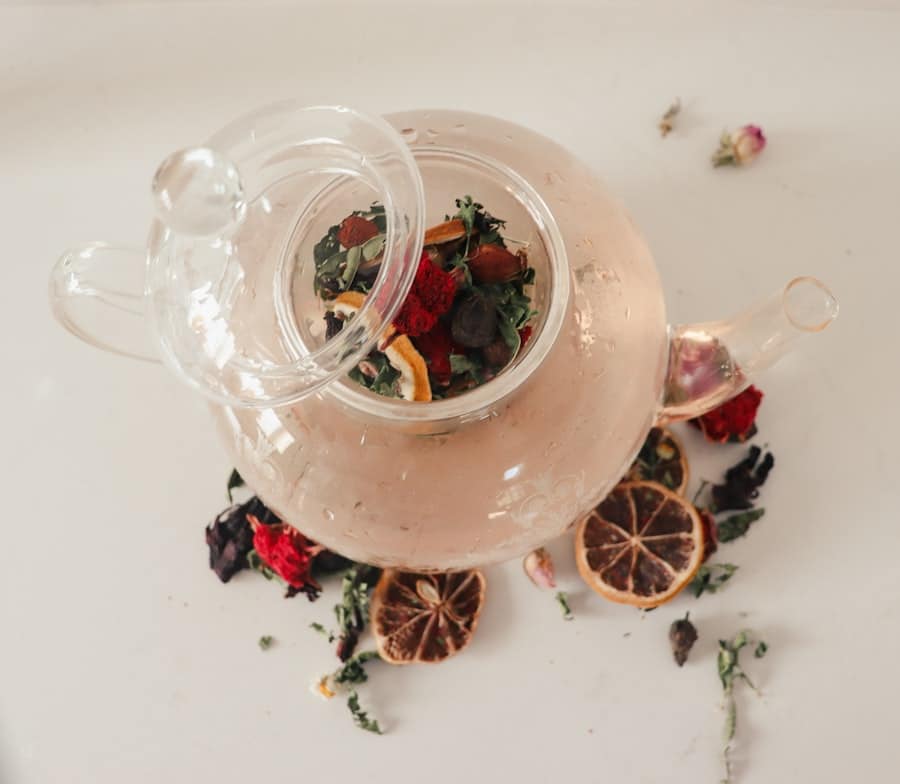
Herbal remedies have been used for centuries to alleviate various health conditions, including asthma. If you’re interested in exploring herbal options for managing your symptoms, several herbs have shown promise in research studies. For instance, ginger is known for its anti-inflammatory properties and may help relax the airways when consumed regularly.
Similarly, turmeric contains curcumin, which has been linked to reduced inflammation and improved lung function. Another herb worth considering is boswellia serrata, which has been traditionally used in Ayurvedic medicine for respiratory issues. Some studies suggest that boswellia may help reduce airway inflammation and improve lung function in individuals with asthma.
However, it’s essential to approach herbal remedies with caution; not all herbs are suitable for everyone, and they can interact with medications. Always consult with a healthcare professional before adding any herbal supplements to your regimen.
Breathing Techniques for Asthma Management
Breathing techniques can be incredibly effective tools for managing asthma symptoms and improving overall lung function. One popular method is diaphragmatic breathing, which encourages deeper breaths using the diaphragm rather than shallow chest breathing. This technique not only helps increase oxygen intake but also promotes relaxation and reduces anxiety—factors that can trigger asthma symptoms.
Another beneficial technique is pursed-lip breathing. This method involves inhaling deeply through your nose and then exhaling slowly through pursed lips as if blowing out a candle. This technique helps keep the airways open longer during exhalation, making it easier to breathe out stale air trapped in the lungs.
Practicing these techniques regularly can empower you to take control of your breathing during an asthma episode and improve your overall respiratory health.
Lifestyle Modifications for Asthma Control
Making lifestyle modifications can significantly impact your ability to manage asthma effectively. One of the most important changes you can make is to avoid known triggers whenever possible. This might involve keeping your living space clean and free from dust mites or pet dander or avoiding outdoor activities during high pollen seasons.
Additionally, maintaining a smoke-free environment is crucial; both smoking and secondhand smoke can exacerbate asthma symptoms. Regular physical activity is another vital component of asthma management. While it may seem counterintuitive to exercise when dealing with respiratory issues, engaging in moderate exercise can strengthen your lungs and improve overall fitness levels.
Activities like swimming or walking are often recommended because they are less likely to trigger asthma symptoms compared to high-intensity workouts. Always consult with your healthcare provider before starting any new exercise regimen to ensure it aligns with your individual needs.
Consulting with a Healthcare Professional
Finally, one of the most critical steps in managing asthma effectively is maintaining open communication with your healthcare professional. Regular check-ups allow you to discuss any changes in your symptoms or concerns about your current treatment plan. Your doctor can provide valuable insights into new medications or therapies that may be beneficial for you based on the latest research.
Additionally, if you’re considering alternative treatments or lifestyle changes, discussing these options with your healthcare provider is essential. They can help guide you through the process safely and ensure that any new approaches complement your existing treatment plan rather than interfere with it. Remember that effective asthma management is a collaborative effort between you and your healthcare team; together, you can develop a comprehensive strategy that empowers you to live life fully while managing your condition effectively.
If you are looking for natural relief for asthma symptoms, you may want to consider incorporating essential fatty acids like omega-3 and omega-6 into your diet. These healthy fats have been shown to reduce inflammation in the body, which can help alleviate asthma symptoms. For more information on the benefits of essential fatty acids, check out this article on Essential Fatty Acids: Omega-3 & Omega-6.
FAQs
What are the natural alternatives to Flovent for asthma relief?
There are several natural alternatives to Flovent for managing asthma symptoms, including breathing exercises, dietary changes, herbal remedies, and essential oils.
What are some breathing exercises that can help with asthma symptoms?
Breathing exercises such as diaphragmatic breathing, pursed lip breathing, and the Buteyko method can help improve lung function and reduce asthma symptoms.
How can dietary changes help with asthma symptoms?
Certain dietary changes, such as reducing intake of inflammatory foods and increasing consumption of anti-inflammatory foods like fruits, vegetables, and omega-3 fatty acids, can help manage asthma symptoms.
Are there any herbal remedies that can provide relief for asthma symptoms?
Herbal remedies such as ginger, turmeric, and licorice root have been used to help reduce inflammation and improve lung function in individuals with asthma.
Can essential oils be used to alleviate asthma symptoms?
Some essential oils, such as lavender, eucalyptus, and peppermint, have been found to have bronchodilator and anti-inflammatory properties that may help with asthma symptoms when used in aromatherapy or diluted for topical application.